
Blog
Piastri: F1 Drivers Have ‘No Control’ Over Engine Power
 123Helmets Editorial Team
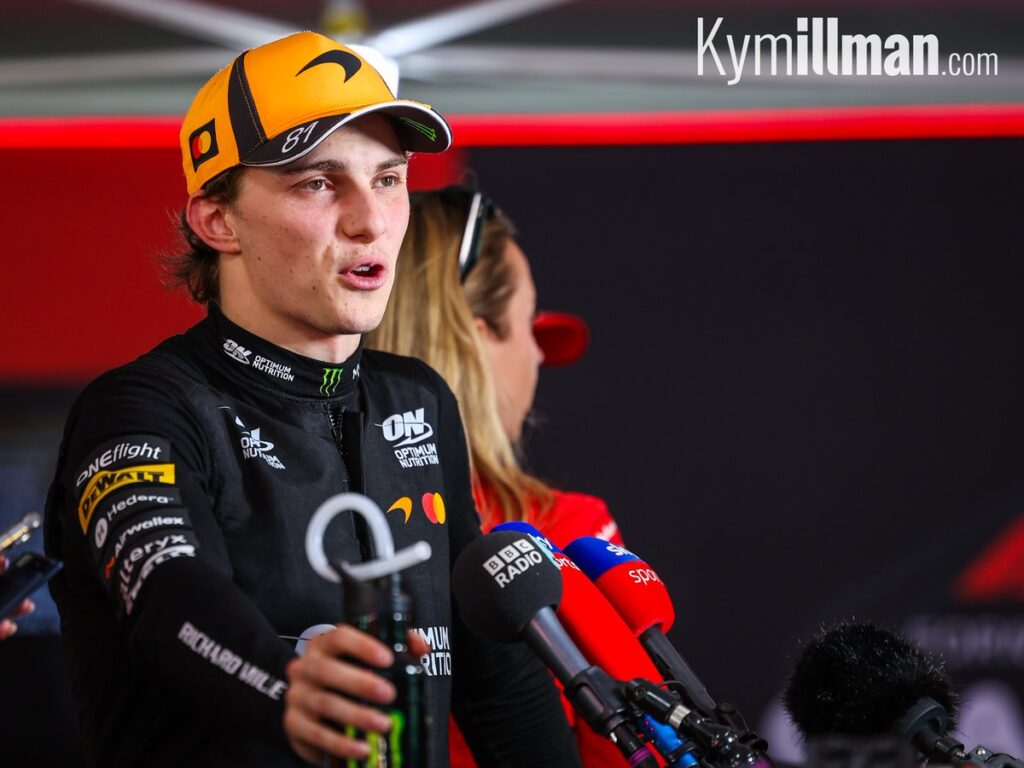
Oscar Piastri says the current generation of Formula 1 power units has stripped drivers of control over their own lap time, with the McLaren driver singling out Spa-Francorchamps and Silverstone as the tracks where the problem is hardest to hide.
Key Takeaways
Piastri says 2026 power unit regulations put roughly half of total power under electrical deployment, magnifying any small software or driver error
Spa-Francorchamps and Silverstone, two of the fastest circuits on the calendar, exposed the deployment issue most clearly over the last two rounds
Piastri does not expect the problem to disappear fully under the current rules, though he expects manufacturers to improve the code over time
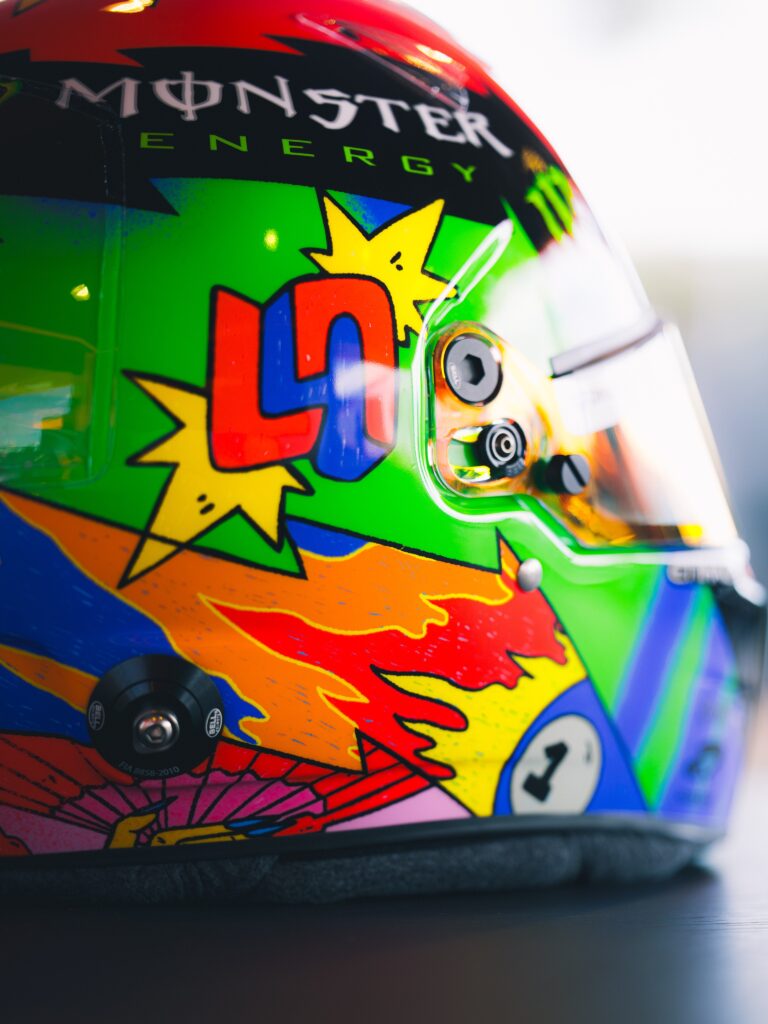
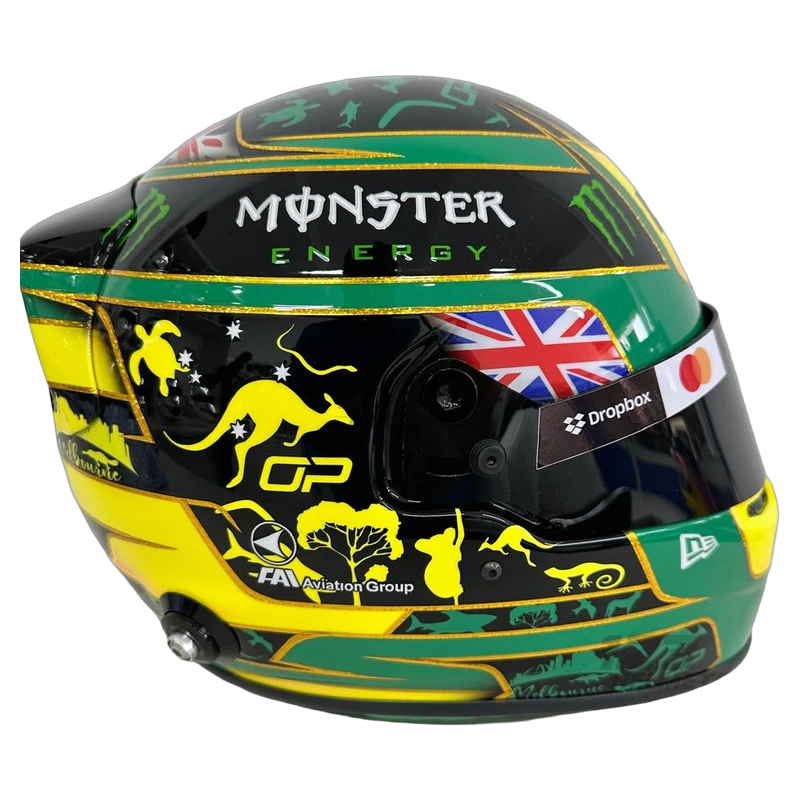
McLaren’s papaya livery and Piastri’s helmet design remain popular subjects for full-size 1:1 display replicas among collectors this season
What Did Piastri Say About Engine Deployment?
Oscar Piastri said drivers have almost no control over where power deployment happens in their 2026-specification cars. Speaking after the Belgian Grand Prix weekend at Spa-Francorchamps, the McLaren driver explained that under the current hybrid rules, electrical deployment accounts for close to half of total power output, compared to a far smaller share under the previous generation of engines.
He described the difference bluntly: “Whereas this year, it’s basically half your power. So any small differences or anything that doesn’t quite go right has a massive impact, especially at a track like Spa.”
Piastri contrasted this with his rookie seasons, when the previous hybrid units were, in his words, “incredibly mature” after years of development, meaning small errors in coding or deployment carried a much smaller penalty because they represented a much smaller percentage of overall power.
The comments came at a pivotal moment in the 2026 season, with driver criticism of the new power unit regulations building steadily across the last two rounds. Both Spa and Silverstone are among the fastest circuits on the calendar, and both punished any inconsistency in energy deployment on their long straights.
Why Spa and Silverstone Exposed the Problem
Spa-Francorchamps and Silverstone exposed the 2026 power unit deficiencies because both circuits reward maximum straight-line speed over long, high-commitment sections. Piastri said the deficiencies of the current regulations were especially clear on Spa’s long straights, where even minor timing differences in deployment translate directly into lost tenths that a driver cannot claw back through better car control.
He noted that drivers still lack the tools to influence exactly when that power arrives. “We’ve got no control over where the deployment happens, more or less,” Piastri said. “You can push the boost button, but that’s more for overtaking than in qualifying, especially.” That distinction matters: the boost button is built for wheel-to-wheel racing situations rather than fine-tuning a single flying lap, leaving qualifying pace almost entirely dependent on how well the manufacturer’s software manages energy across a lap.
For a driver fighting at the front of the 2026 championship battle, that unpredictability is a significant frustration. Piastri’s comments echoed similar criticism from rivals across the paddock following both Belgian and British Grand Prix weekends, with drivers describing sections of their laps where they feel like passengers rather than pilots.
Will the Deployment Issue Ever Be Fixed?
Piastri does not expect the deployment problem to fully disappear under the current regulatory framework, even as manufacturers refine their systems. “I’m sure it’ll get better,” he said. “I don’t expect it to ever fully go away, but as the manufacturers understand it more and work out the regulation restrictions more, in terms of what the code can and can’t do, hopefully things will become a bit better.”
That measured outlook reflects how deeply embedded the 2026 hybrid architecture is in every lap. Piastri compared the current learning curve to the early years of the previous hybrid formula, when teams spent seasons refining coding and deployment strategy before the systems matured to the point where small mistakes barely registered. With half of total power now tied to electrical deployment, engineers have far less margin for error, and drivers have correspondingly less ability to compensate through throttle technique or braking points alone.
The upshot for fans and collectors is a season defined as much by software development as by driver skill, a theme likely to keep shaping how the McLaren and rival garages approach the remaining rounds of 2026.
Podium Visuals and Display-Worthy Moments
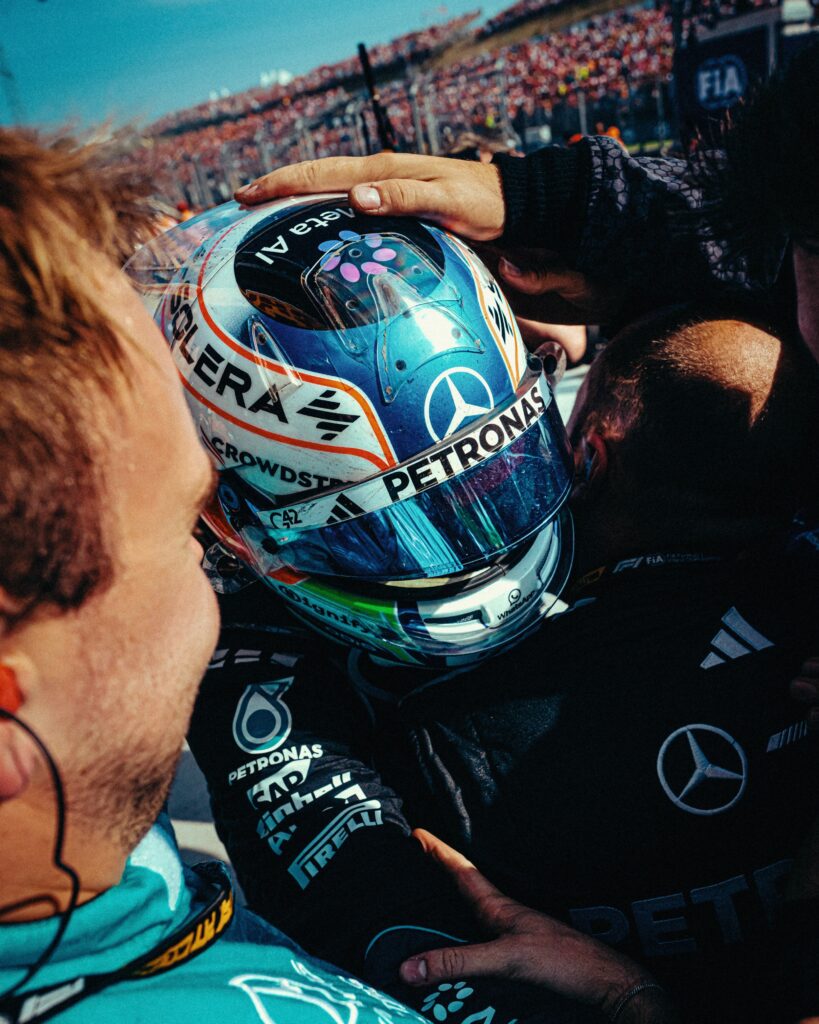
McLaren’s papaya-and-blue livery remains one of the most photographed identities on the 2026 grid, and Piastri’s helmet design continues to stand out on podiums and in pit lane walkabouts at power-sensitive circuits like Spa and Silverstone. Even in a season dominated by technical debate over engine deployment, the visual story of each Grand Prix weekend still centers on the cars and helmets that cross the line first.
For collectors, moments like these — a driver visibly wrestling with deployment inconsistency on a flat-out straight, then climbing from the cockpit in full race-day livery — are exactly what full-size 1:1 replicas are built to commemorate. A display-quality helmet replica captures the graphics, sponsor placement and color separation of a specific race weekend, giving fans a tangible link to moments that might otherwise only exist in broadcast footage or post-race quotes.
McLaren’s design language for 2026 continues to emphasize sharp contrast between papaya and navy sections, a scheme that translates well onto exhibition-quality helmet shells and makes Piastri’s collection a strong subject for any dedicated display case.
What This Means for the Rest of the 2026 Season
The engine deployment debate is likely to remain a recurring theme for the rest of the 2026 season, particularly at circuits with long straights or high-speed sections. Piastri’s comments suggest the issue will not be resolved through a single regulation tweak, but through incremental software refinement from each manufacturer as the year progresses.
That ongoing technical narrative adds context to every Grand Prix weekend still to come, and to how each driver’s on-track performance is read by fans and analysts alike. Whether at Spa, Silverstone, or future rounds on similarly demanding layouts, deployment consistency is shaping up to be one of the defining performance variables of the 2026 championship, alongside chassis development and tire management.
For fans following Oscar Piastri’s part in that story, the on-track drama pairs naturally with the collectible side of the sport — helmets and liveries that mark each stage of a season defined by both driver skill and code.
“Whereas this year, it’s basically half your power. So any small differences or anything that doesn’t quite go right has a massive impact, especially at a track like Spa.”
— Oscar Piastri
“We’ve got no control over where the deployment happens, more or less. You can push the boost button, but that’s more for overtaking than in qualifying, especially.”
— Oscar Piastri
FAQ
Q: What did Oscar Piastri say about F1 engine deployment?
Piastri said drivers have almost no control over where power deployment happens under the 2026 regulations, explaining that electrical deployment now accounts for roughly half of total power, so small software errors have a far bigger impact than under the previous hybrid formula.
Q: Why were Spa and Silverstone singled out as problem tracks?
Spa-Francorchamps and Silverstone are two of the fastest circuits on the F1 calendar, and their long straights expose any inconsistency in power deployment more clearly than tighter, lower-speed layouts.
Q: Does Piastri think the deployment issue can be fixed?
Piastri expects manufacturers to improve their software over time but does not think the problem will fully disappear under the current 2026 power unit regulations.
Q: What is the boost button used for in qualifying?
The boost button is designed mainly for overtaking situations in races rather than fine-tuning a single qualifying lap, according to Piastri, which limits how much drivers can manually influence deployment timing.
Q: Are Oscar Piastri helmet replicas available for collectors?
Yes, full-size 1:1 collector replicas featuring Oscar Piastri’s helmet designs are available as display pieces, capturing the graphics and livery details associated with his 2026 season.
Shop Oscar Piastri Collection
Display and collector replicas only. Not certified for protective use. Full-size 1:1 scale.