Blog
Red Bull Ring: From Österreichring to F1 Icon
 123Helmets Editorial Team
The Red Bull Ring has carried three names, survived two complete rebuilds, and endured a decade as abandoned tarmac on an Austrian hillside. What stands today near Spielberg is the third version of a track that has defined the Austrian Grand Prix since 1970 — and one of the most storied venues in F1 history.
Key Takeaways
The original Österreichring opened in July 1969 with a 5.942 km layout featuring 65 metres of elevation change and no slow-speed corners at all.
The circuit hosted the Austrian Grand Prix continuously from 1970 to 1987, then was abandoned and reduced to bare tarmac before a full rebuild in the late 1990s.
Red Bull purchased the site in 2004 and funded a second complete reconstruction, reopening it as the Red Bull Ring in 2011 — the compact layout that hosts the Austrian Grand Prix today.
Collector replicas of helmets worn at Spielberg capture the full visual history of F1 at this circuit, from the open-face Bell designs of the 1970s to today’s full-carbon shells.
The Österreichring: Europe’s Fastest Circuit
The Österreichring was one of the fastest and most dangerous permanent circuits ever built for Formula 1. Opened in July 1969 as a purpose-built replacement for the flat and featureless Zeltweg airfield — which had hosted the Austrian Grand Prix only once, in 1964, before being deemed unfit for international racing — the new circuit was carved directly into the rolling terrain of the Styrian Alps near Spielberg, Austria.
Its statistics were extraordinary for a permanent track. The layout measured 5.942 km, incorporated 65 metres of elevation change between the lowest and highest points, and contained not a single slow-speed corner. Every turn on the entire lap was taken in at least third gear. The pit straight ran for close to a full kilometre, dropping downhill from the grid before flattening through the pit lane and then climbing sharply toward the first corner, a fast right-hander called Hella-Licht that was close to flat in the cars of the era.
The flowing, high-speed character of the Österreichring made it a favourite among drivers who placed a premium on car balance and commitment. It hosted the Austrian Grand Prix continuously from 1970 to 1987 — seventeen consecutive seasons — and produced some of the most memorable moments in F1 history. But the same qualities that made it spectacular also made it genuinely hazardous, and by the mid-1980s the circuit’s safety shortcomings had become impossible to ignore.
The Moment That Changed Everything: 1987
The 1987 Austrian Grand Prix was the last race held at the original Österreichring, and it ended a 17-year chapter in F1 history that had seen the circuit grow from a bold engineering project into one of the calendar’s most revered venues. The combination of extreme speed, narrow run-off areas, and the armco barriers positioned close to the racing line had become increasingly difficult to reconcile with the safety standards that the sport was beginning to enforce more seriously after a series of accidents throughout the decade.
Following the 1987 race, the Austrian Grand Prix disappeared from the calendar entirely. The Österreichring did not close overnight — it continued to host lower-category motorsport events through the early 1990s — but without F1 it lost both its profile and much of its funding. Plans emerged in the early 1990s to rebuild the circuit to a specification that could satisfy modern safety requirements, but the project that resulted bore almost no resemblance to what came before.
The A1 Ring, as the rebuilt circuit was named when it opened in 1996, retained only the basic geography of the site and a fraction of the original lap distance. Where the Österreichring had been 5.942 km of continuous high-speed flow, the A1 Ring was a compact 4.326 km layout with defined braking zones, slower corners, and significantly larger run-off areas. It was a fundamentally different track built on the same hillside, and opinion among drivers and fans was divided from the start.
The A1 Ring hosted the Austrian Grand Prix from 1997 to 2003, producing seven races before the event was dropped from the calendar again — this time due to disagreements over circuit fees and the terms of the Concorde Agreement rather than safety concerns. By 2004 the circuit had closed once more, and the site returned to silence.
Red Bull’s Acquisition and the Second Rebuild
Red Bull purchased the Spielberg circuit site in 2004, giving the energy drink company that had entered F1 as a sponsor — and would soon become a constructor — a piece of Austrian motorsport real estate with deep historical roots. For several years after the purchase the site sat largely unused, a reminder of two previous circuits that no longer existed in their original form.
The second full reconstruction began in earnest in the late 2000s and resulted in the circuit that carries the Red Bull Ring name today. The layout broadly follows the footprint of the A1 Ring, with the same compact format and the same fundamental relationship between the pit straight, the opening uphill climb, and the sequence of corners that follows. But the new build brought updated pit facilities, expanded grandstands, modern paddock infrastructure, and run-off areas designed to contemporary FIA standards.
The Red Bull Ring reopened in 2011, hosting DTM and other series before returning to the F1 calendar in 2014. The circuit measures 4.318 km — marginally shorter than the A1 Ring — and an F1 lap typically produces race times in the range of 1 minute 5 seconds to 1 minute 8 seconds depending on car specification, making it one of the shortest lap times on the entire calendar. The 2026 Austrian Grand Prix, held at Spielberg on 29 June 2026, continues that tradition on the same tarmac that Red Bull built for the sport’s return to Austria.
For Red Bull the circuit carries obvious significance beyond the usual relationship between a team and a host venue. Racing at a facility that bears the company’s name, in the country where the brand originated, gives the Austrian Grand Prix a particular weight in the team’s calendar that no other race quite matches.
The Circuit’s Character: What Makes Spielberg Unique
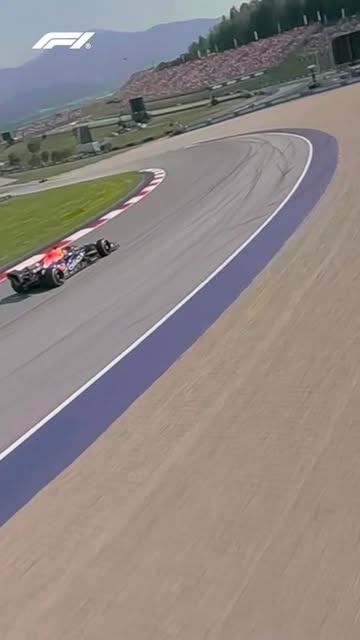
The Red Bull Ring’s defining characteristic is its brevity — at 4.318 km it is among the shortest permanent circuits on the F1 calendar, and a full race distance of 71 laps covers just over 306 km. That compactness concentrates the action and produces more laps, more overtaking opportunities, and more frequent pit stop windows than longer circuits allow.
The elevation change inherited from the original Österreichring — significantly reduced from the original 65 metres but still present in the uphill run from the grid to Turn 1 and the descent back toward the final corner complex — gives the circuit a physical character that distinguishes it from the flat street circuits and desert tracks that have expanded the modern F1 calendar. Cars load up and unload aerodynamically through the changes in gradient in ways that reward precise setup work.
The weather at Spielberg adds an additional variable. The circuit sits at altitude in the Styrian mountains, and afternoon thunderstorms are common during the June race weekend. The 2026 Austrian Grand Prix weekend, running from 27 June to 29 June 2026, has historically seen conditions change rapidly between sessions, making tyre strategy and setup compromise central to competitive performance.
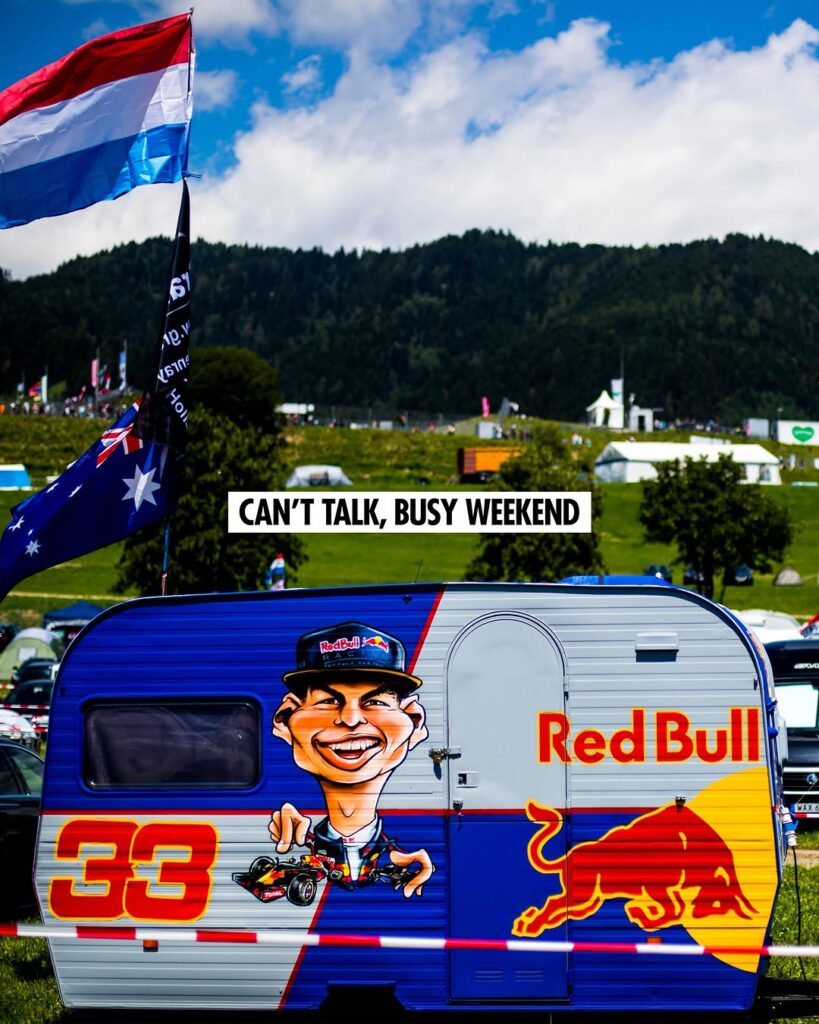
For fans of F1 history, the hillside grandstands at Spielberg offer sightlines across multiple sections of the circuit simultaneously — a direct legacy of the amphitheatre-style terrain that defined the Österreichring and that no amount of rebuilding has been able to remove from the landscape.
Helmets at Spielberg: A Collector’s Lens on Circuit History
Every Austrian Grand Prix since 1970 has been accompanied by helmet designs that document how F1 visual culture has evolved alongside the circuit itself. The full-size 1:1 display replicas at 123Helmets.com capture that evolution across more than five decades of racing at Spielberg, from the open-face designs of the 1970s to the aerodynamically sculpted full-carbon shells of the 2026 season.
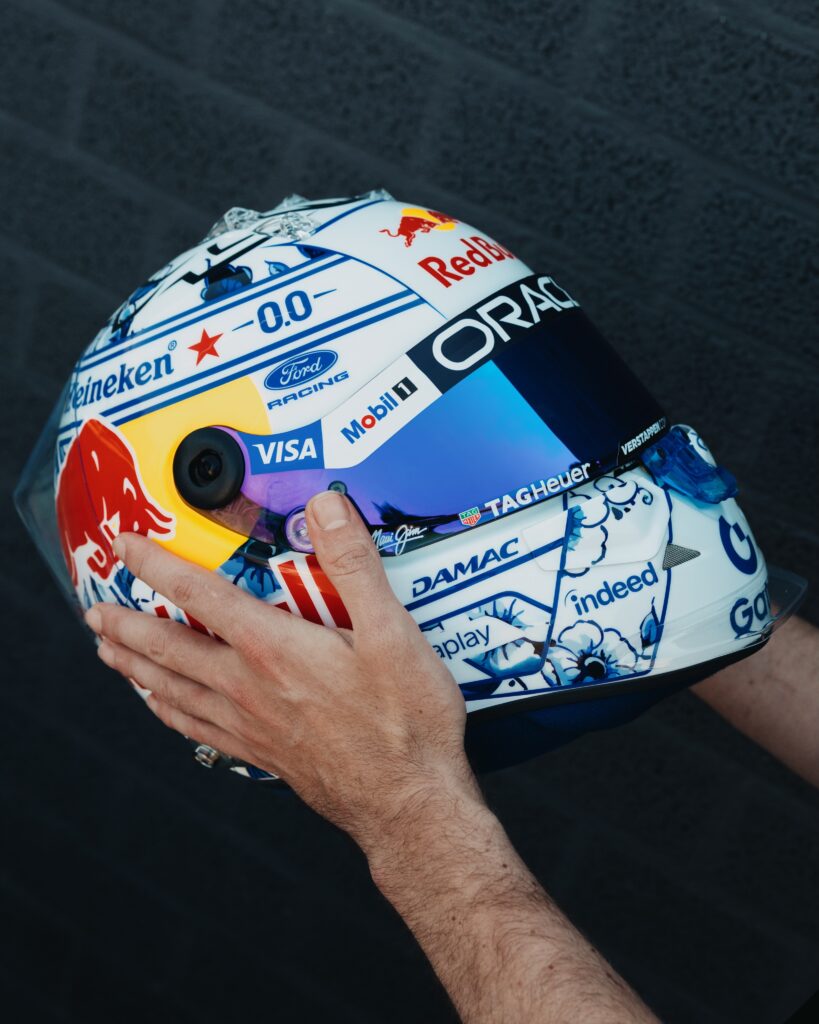
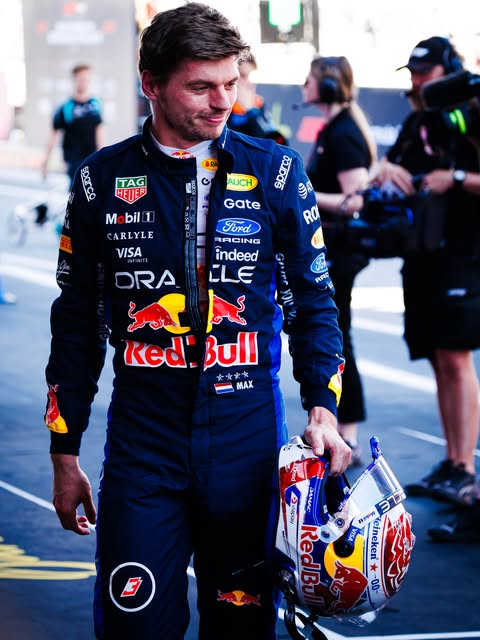
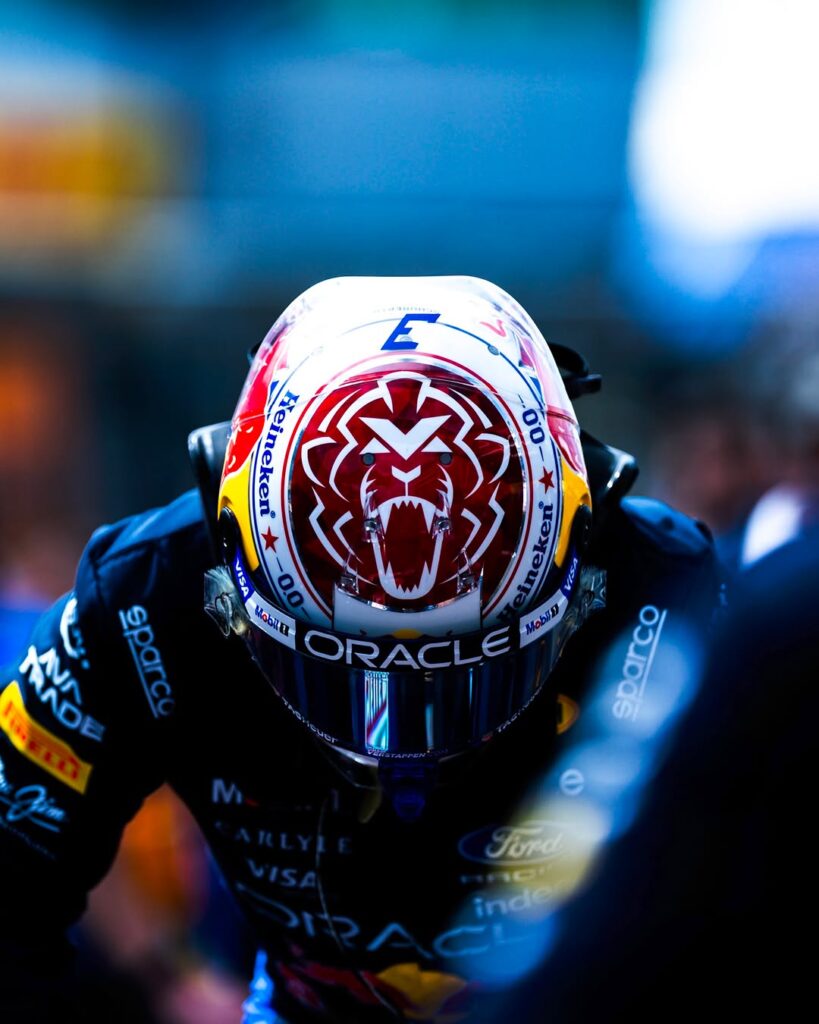
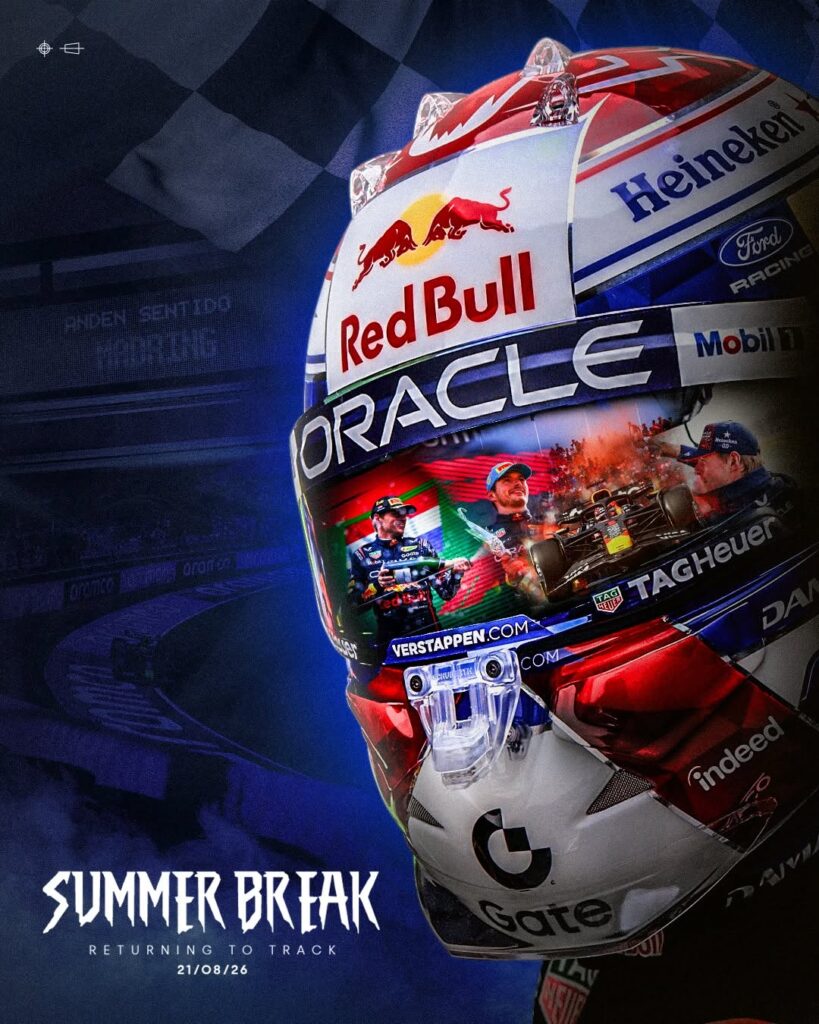
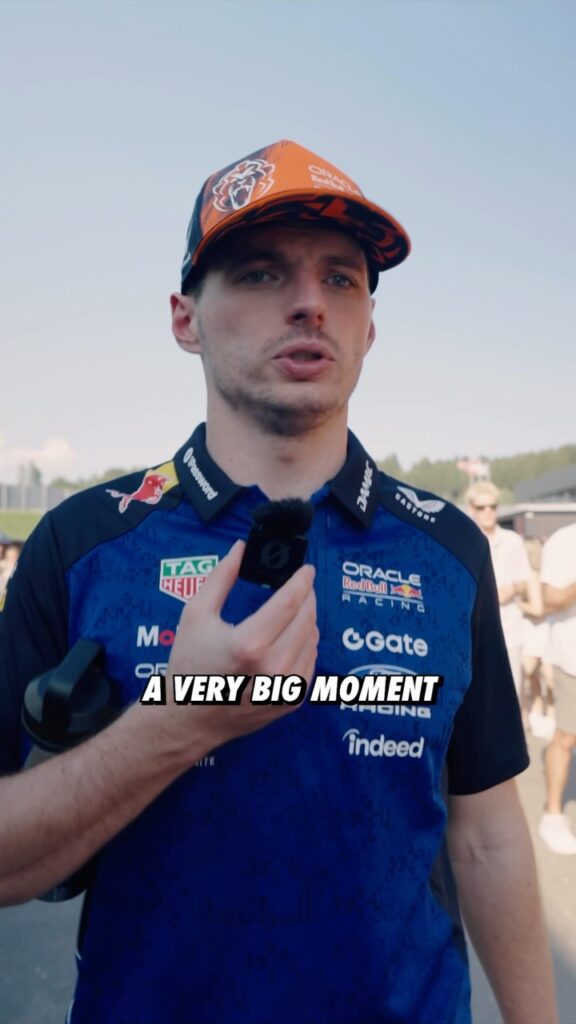
Drivers who have won at the Austrian Grand Prix read as a catalogue of F1’s most recognisable helmet graphics. Max Verstappen has won at Spielberg multiple times, and his helmet designs — characterised by deep blue and red with bull graphics — have become among the most sought-after replicas in the collector market. Each Spielberg victory has typically been accompanied by a helmet variant specific to the Austrian round, making the circuit a particularly productive source of limited-design pieces.
The display replica format — full-size 1:1 scale, exhibition quality, not certified for any protective use — captures details that a photograph alone cannot convey: the curvature of the visor, the width of the chin piece, the exact angle at which sponsor graphics wrap from the crown to the temple. A helmet worn at Spielberg in 2026 sits on a shelf as a three-dimensional record of a specific moment at a circuit with more than 55 years of F1 history behind it.
Earlier generations of Spielberg helmets — replicas representing the 1970s Österreichring era — sit in collections alongside modern pieces as evidence of how dramatically both the circuit and the equipment have changed. A Bell open-face from the 1975 Austrian Grand Prix and a 2026 full-face carbon replica occupy opposite ends of the same lineage, connected by the same patch of Austrian hillside.
What to look for in an Austrian Grand Prix replica
Circuit-specific variants are the priority for collectors focused on Spielberg. These are helmets produced by a driver or their partner brand for the Austrian round specifically, distinguished from the driver’s standard season design by a modified colour element, an added Austrian flag graphic, or a sponsor panel adjusted for the local market. Not every driver produces a Spielberg-specific variant in every season, which makes those that do appear more valuable as display pieces over time.
Three Names, One Hillside: The Circuit’s Lasting Legacy
The Red Bull Ring is the only circuit currently on the F1 calendar that has been completely rebuilt twice on the same site, carrying three different names across a single continuous piece of geography. That history — Österreichring from 1970 to 1987, A1 Ring from 1997 to 2003, Red Bull Ring from 2014 to the present — is unusual even by the standards of a sport with more than 75 years of continuous world championship racing behind it.
What the rebuilds have removed is the original circuit’s most extreme characteristic: the pure, unbroken speed of the Österreichring. The 5.942 km layout with 65 metres of elevation and no slow corners has no equivalent on the modern calendar and could not be built today under current safety regulations. Its memory exists in race footage, in the accounts of drivers who competed there, and in the helmets worn during those seventeen Austrian Grands Prix between 1970 and 1987.
What the rebuilds have preserved is the setting. The Styrian hillsides, the natural amphitheatre, the views across the valley, and the specific quality of late-June afternoon light over the grandstands — none of that has changed. The Red Bull branding that now covers the site is a 21st-century layer over a landscape that was already shaping F1 history before the team’s title sponsor had been founded.
For collectors and F1 historians, the Red Bull Ring is a circuit whose physical story is unusually well documented — in photographs, in lap time records, in the helmets of drivers who raced there across three different eras of the sport. Each full-size 1:1 display replica tied to Spielberg carries that weight, whether it represents a 1970s champion threading the original Österreichring at flat-out speeds or a 2026 driver managing tyre degradation across 71 laps of the compact modern layout.
“The Österreichring was one of those circuits where you were never really in control — you were managing the situation at the limit of what the car and your nerve would allow.”
— Period recollection, Austrian Grand Prix driver accounts
“Spielberg is one of those places where the crowd can see almost everything. You feel the whole weekend differently when the grandstands are that close to the action.”
— F1 paddock observation, Austrian Grand Prix weekend
FAQ
Q: When did the Red Bull Ring first host a Formula 1 race?
The circuit at Spielberg first hosted an F1 race in 1970, under its original name Österreichring. That was the first Austrian Grand Prix to be held at the new permanent circuit, which had opened in July 1969. The site had been associated with F1 even earlier through the Zeltweg airfield race in 1964, but that was a different location using a disused military strip rather than the purpose-built track.
Q: What is the lap distance of the current Red Bull Ring?
The current Red Bull Ring measures 4.318 km per lap. A full F1 race distance of 71 laps covers approximately 306 km. This makes it one of the shortest circuits on the calendar, producing some of the fastest average lap times in the sport.
Q: How many times has the circuit at Spielberg been rebuilt?
The Spielberg circuit has been completely rebuilt twice. The original Österreichring, which opened in 1969, was demolished and replaced by the A1 Ring in 1996. The A1 Ring was itself demolished and rebuilt as the Red Bull Ring, which reopened in 2011. Each version has been a fundamentally different circuit built on the same hillside.
Q: Why did F1 leave the Austrian Grand Prix circuit after 1987?
The Austrian Grand Prix left the Österreichring after 1987 primarily due to safety concerns. The circuit’s combination of very high speeds, narrow run-off areas, and barriers positioned close to the racing line could no longer meet the safety standards that F1 was beginning to enforce more strictly. The race did not return to Spielberg until 1997, when the rebuilt A1 Ring provided a modern safety infrastructure.
Q: Are Red Bull Ring helmet replicas available as display pieces?
Full-size 1:1 display replica helmets representing drivers who have competed at the Red Bull Ring are available as collector and exhibition pieces. These replicas are not certified for protective use of any kind — they are display items only, produced at full scale to capture the exact graphics, visor curvature, and sponsor livery of helmets worn at Spielberg. Circuit-specific Austrian Grand Prix variants, where a driver has produced a unique design for the Spielberg round, are among the most collectible pieces associated with the venue.
Browse F1 Helmet Collection
Display and collector replicas only. Not certified for protective use. Full-size 1:1 scale.
This article was written with the help of AI tools. Editorial policy