Blog
Verstappen Plans Personal F1 Museum for His Career
 123Helmets Editorial Team
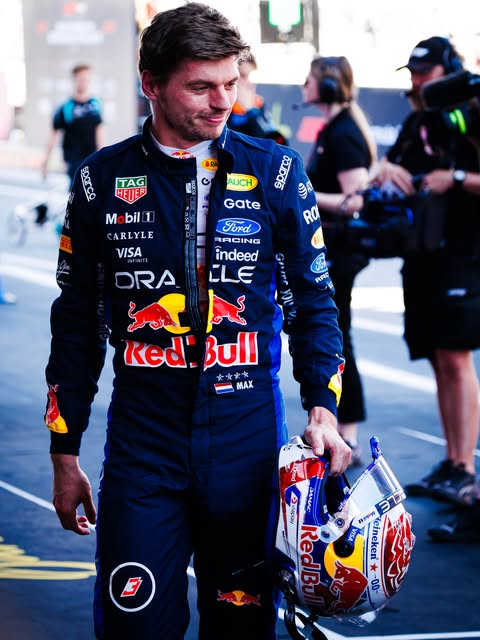
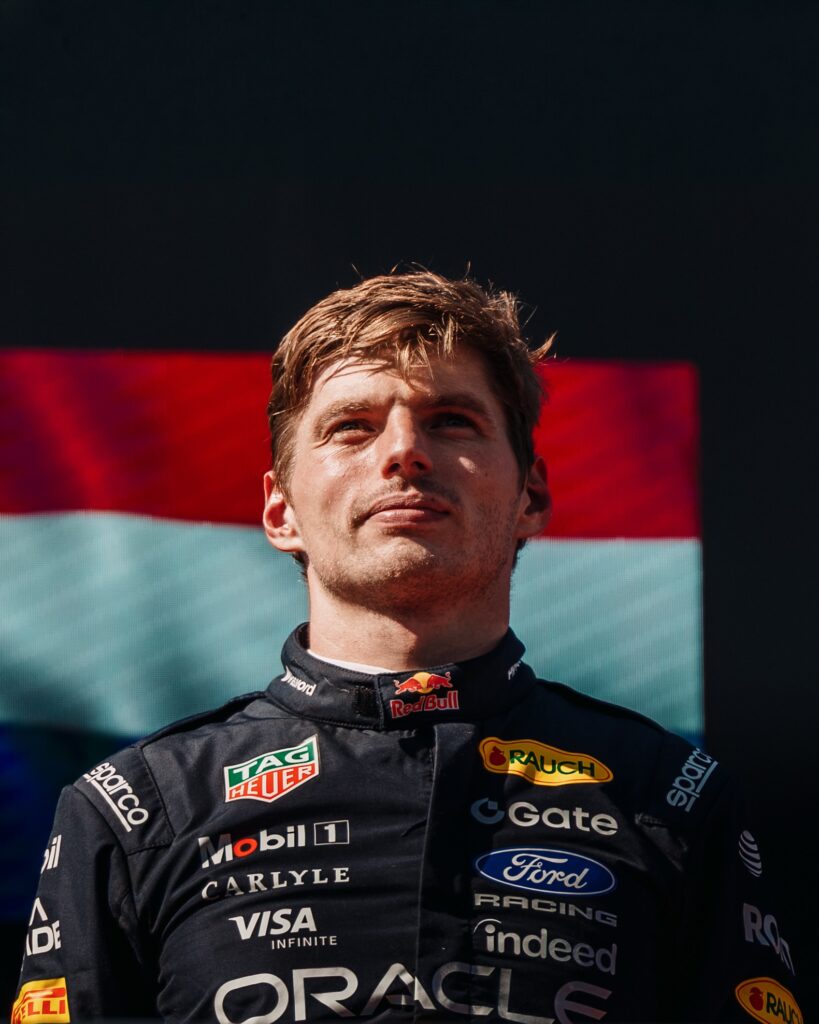
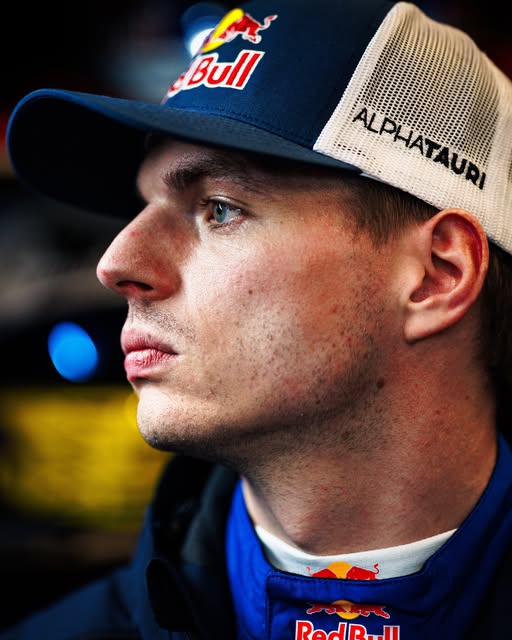
Max Verstappen has revealed plans to open a personal museum showcasing his racing memorabilia and the Formula 1 cars he has driven across his career, giving fans a permanent home for a decade of championship-winning machinery.
Key Takeaways
Max Verstappen has revealed plans to open a personal museum featuring cars and memorabilia from his Formula 1 career.
The project would gather machinery from across his career, which began with his F1 debut in 2015 at age 17.
Verstappen won four consecutive world championships between 2021 and 2024, giving any future collection significant championship-winning content.
The announcement adds to growing fan interest in permanent, physical displays of F1 history beyond race weekends.
What Has Max Verstappen Announced?
Max Verstappen has revealed plans to open a personal museum that would house racing memorabilia and the Formula 1 cars he has driven throughout his career. The announcement signals that Verstappen wants a permanent, dedicated space for fans to view the machinery and personal items connected to his time in the sport, rather than leaving that history scattered across team archives, private collections and one-off exhibitions.
Details on location, opening date and scale have not been confirmed. What is clear is the scope of the intent: a collection built around cars driven personally by Verstappen, alongside memorabilia gathered across his career in Formula 1.
Why a Museum Now?
A personal museum would consolidate a career that already spans more than a decade at the top level of the sport. Verstappen made his Formula 1 debut in 2015 at age 17, becoming one of the youngest drivers ever to start a Grand Prix weekend, and has since built one of the most decorated careers in the modern era with Red Bull.
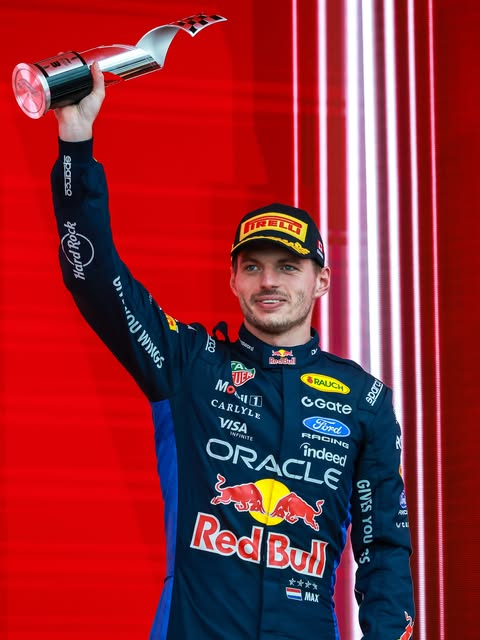
Between 2021 and 2024, Verstappen won four consecutive world championships, a run that produced a large volume of race-winning chassis, helmets and team memorabilia tied to specific seasons and specific cars. A dedicated museum gives that material a fixed home instead of it being split between team facilities, sponsor activations and private storage.
What Could the Collection Include?
The collection is expected to center on Formula 1 cars personally driven by Verstappen, spanning his career from his 2015 debut through his championship seasons with Red Bull. Alongside chassis, a personal museum of this kind typically extends to race-worn items, trophies, team overalls and other memorabilia gathered across a driver’s career.
For fans and collectors, this kind of permanent archive matters because F1 machinery and race-used items rarely stay accessible to the public once a season ends. Cars move into team heritage fleets, get retired to private collections, or are broken down for parts. A museum built around one driver’s full body of work would be unusual in giving supporters a single point of access to that history rather than fragments of it.
How Does This Fit the Wider F1 Memorabilia Market?
Verstappen’s plans reflect a broader trend of drivers and teams treating career memorabilia as heritage worth preserving and displaying, not just storing. As Formula 1’s global audience has grown, so has demand from fans to see cars, helmets and race-worn items outside of race weekends, whether through official team heritage tours, museum loans, or collector markets.
A personal museum tied directly to a four-time world champion would sit at the high end of that trend, offering a fixed and curated experience built entirely around one driver’s own career rather than a shared team or manufacturer archive.
What This Means for Fans and Collectors
For fans, a personal Verstappen museum would offer direct access to cars and items connected to a career built from a 2015 debut through four straight titles in 2021, 2022, 2023 and 2024. That kind of concentrated, single-driver collection is rare in Formula 1, where most surviving heritage material is held by teams or manufacturers rather than by the drivers themselves.
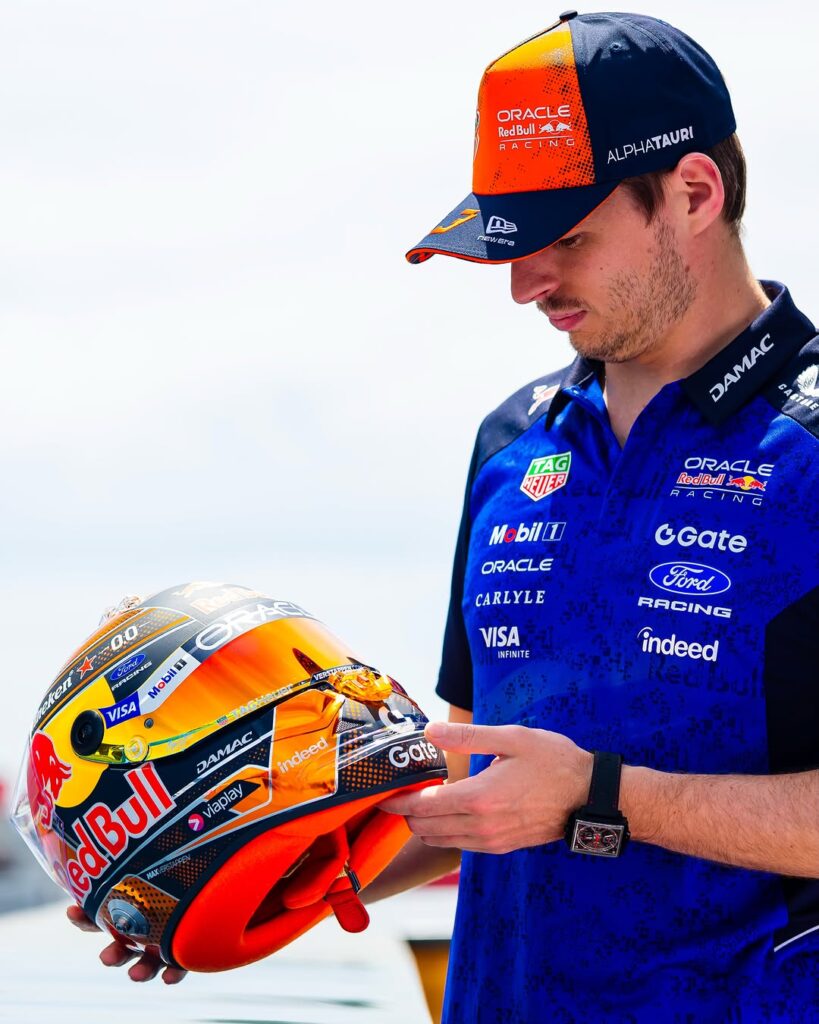
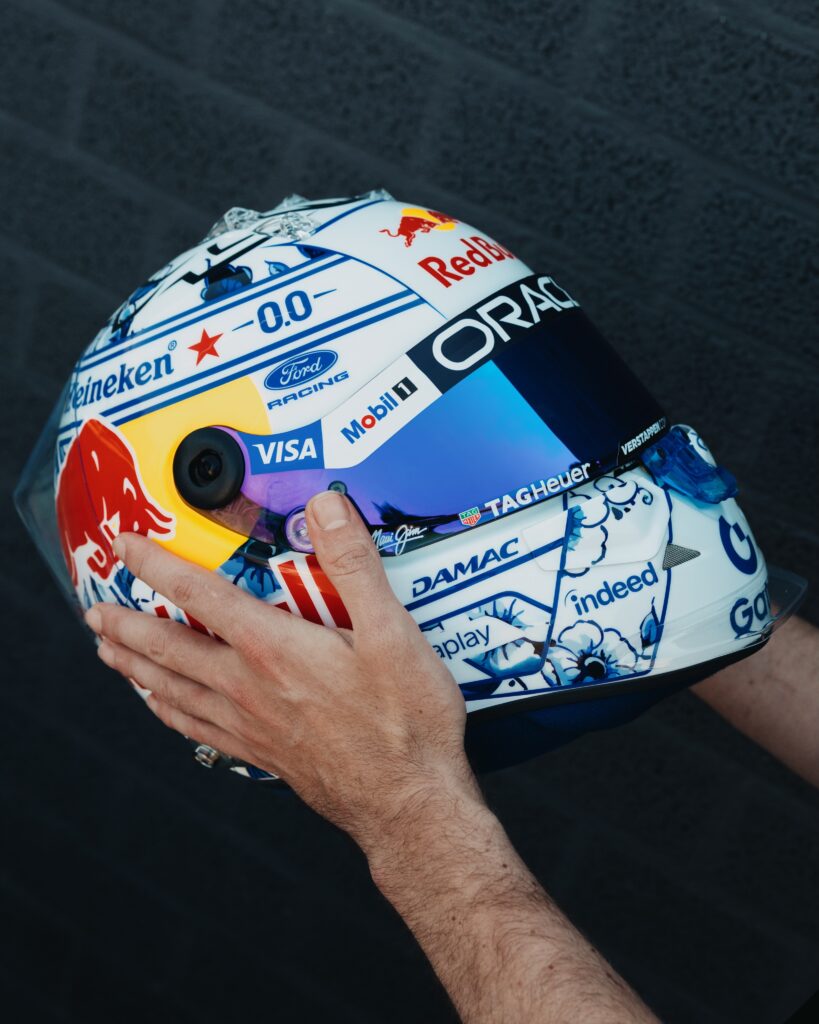
Until the museum opens, fans looking to bring a piece of that history home can still do so through official-style full-size 1:1 replica helmets modelled on liveries from Verstappen’s career, offered as display pieces rather than race-used originals.
“I’m thinking about where it should be. I would like something like that eventually. With all the cars, all the Formula 1 cars.”
— Max Verstappen, to Formule 1 Magazine
FAQ
Q: What has Max Verstappen announced?
Max Verstappen has revealed plans to open a personal museum featuring cars he has driven and memorabilia gathered across his Formula 1 career.
Q: When did Max Verstappen start racing in Formula 1?
Verstappen made his Formula 1 debut in 2015 at age 17, becoming one of the youngest drivers to start a Grand Prix weekend.
Q: How many world championships has Max Verstappen won?
Verstappen has won four consecutive Formula 1 world championships, taking the title in 2021, 2022, 2023 and 2024.
Q: Has a location or opening date been confirmed for the museum?
No, no location or opening date has been confirmed; Verstappen has only revealed the intention to open a personal museum.
Q: Can fans get a Verstappen helmet without visiting a museum?
Yes, full-size 1:1 replica helmets based on liveries from Verstappen’s career are available as display pieces for collectors.
Shop Max Verstappen Collection
Display and collector replicas only. Not certified for protective use. Full-size 1:1 scale.
This article was written with the help of AI tools. Editorial policy