
Blog
Why Honda Only Grasped Its F1 Problems in January 2026
 123Helmets Editorial Team
Honda’s trackside manager Shintaro Orihara has revealed that the true scale of the manufacturer’s 2026 power unit deficit only became apparent in January, months after pre-season optimism inside the Aston Martin camp.
Key Takeaways
Honda trackside chief Shintaro Orihara says the manufacturer only understood the depth of its performance and reliability issues in January 2026.
Aston Martin trailed rivals by roughly one second per lap for large parts of the season before the summer break.
A first major AMR26 upgrade package arrived at the Hungarian Grand Prix, addressing part of the deficit.
Honda identified battery-side issues once running began at the Barcelona test, forcing a trade-off between raw performance and reliability.
A Works Return Built on High Expectations
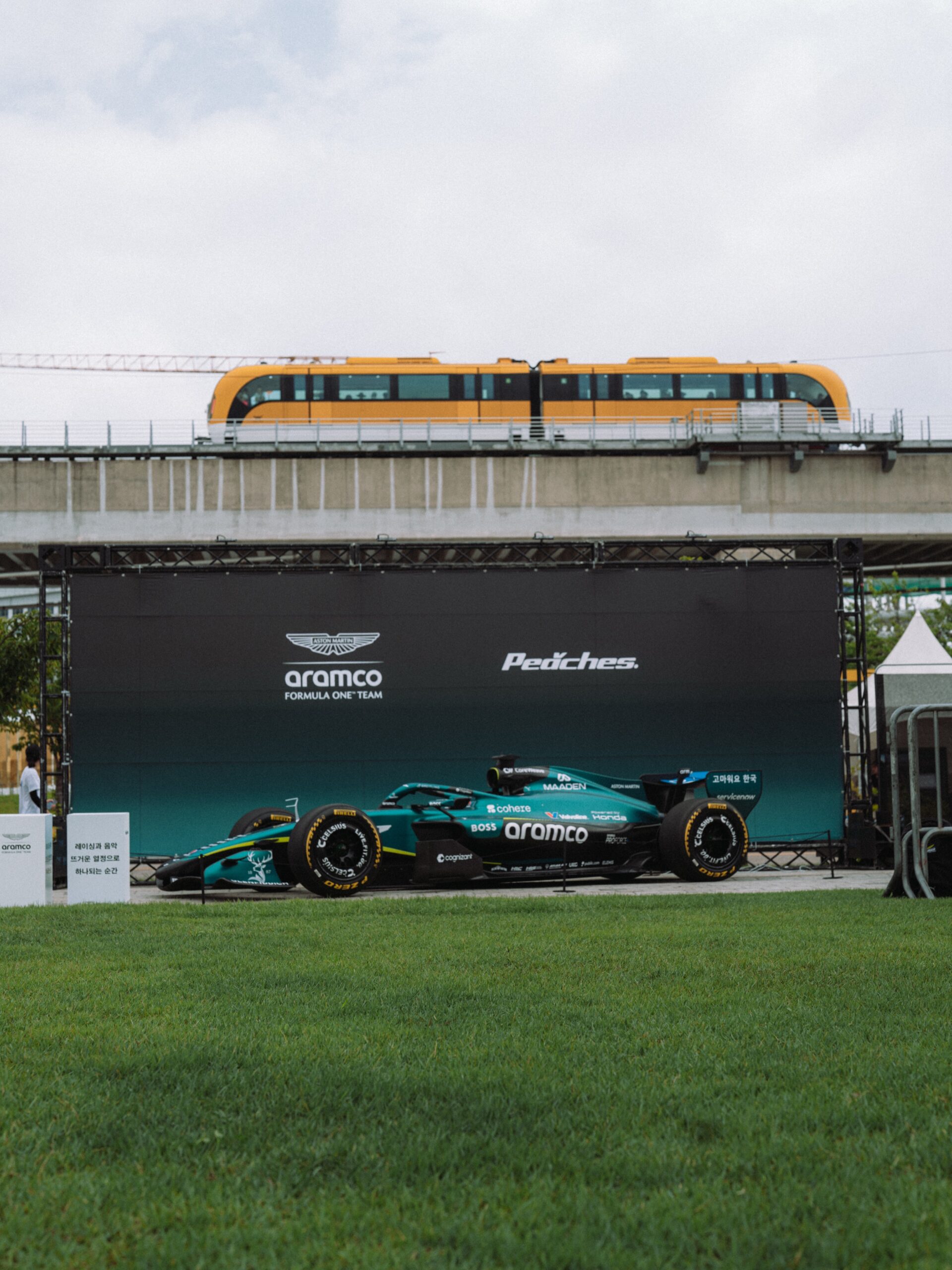
Aston Martin entered Formula 1’s major 2026 technical overhaul with one of the most ambitious project builds on the grid. The team’s new Silverstone factory, the arrival of designer Adrian Newey, and a fresh works partnership with Honda were seen as the foundation for a genuine step forward once the rulebook reset.
Those ingredients had fuelled expectations that Aston Martin could challenge nearer the front once the new-era cars hit the track. Chief trackside officer Mike Krack has since admitted that, in reality, Aston Martin had barely been racing before the summer break, with the gap to season newcomer Cadillac sitting at around one second per lap for large stretches of the campaign.
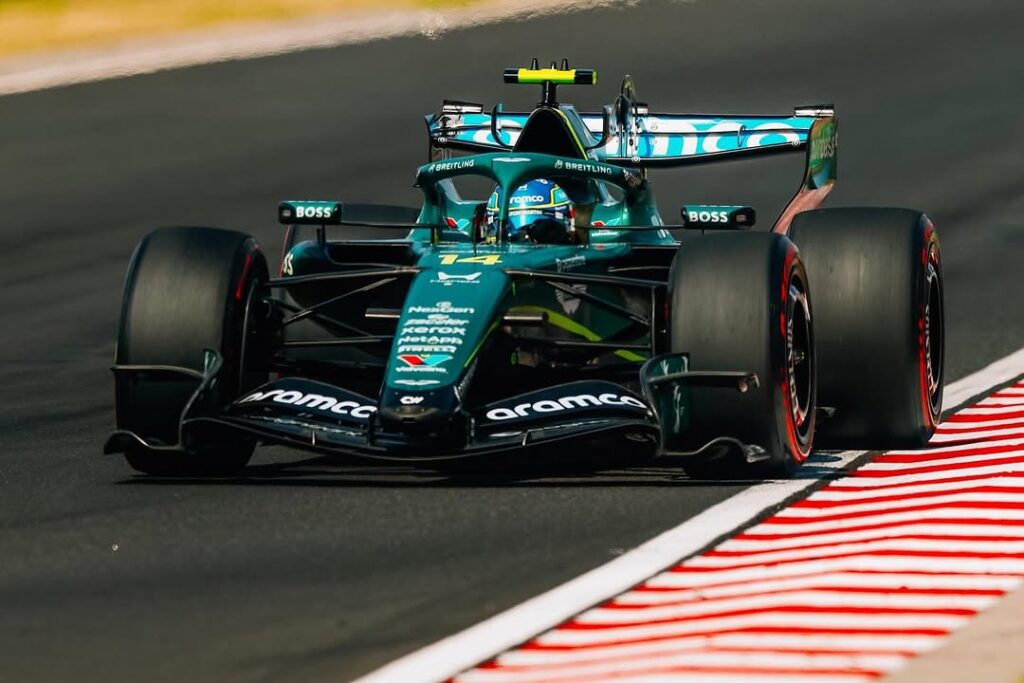
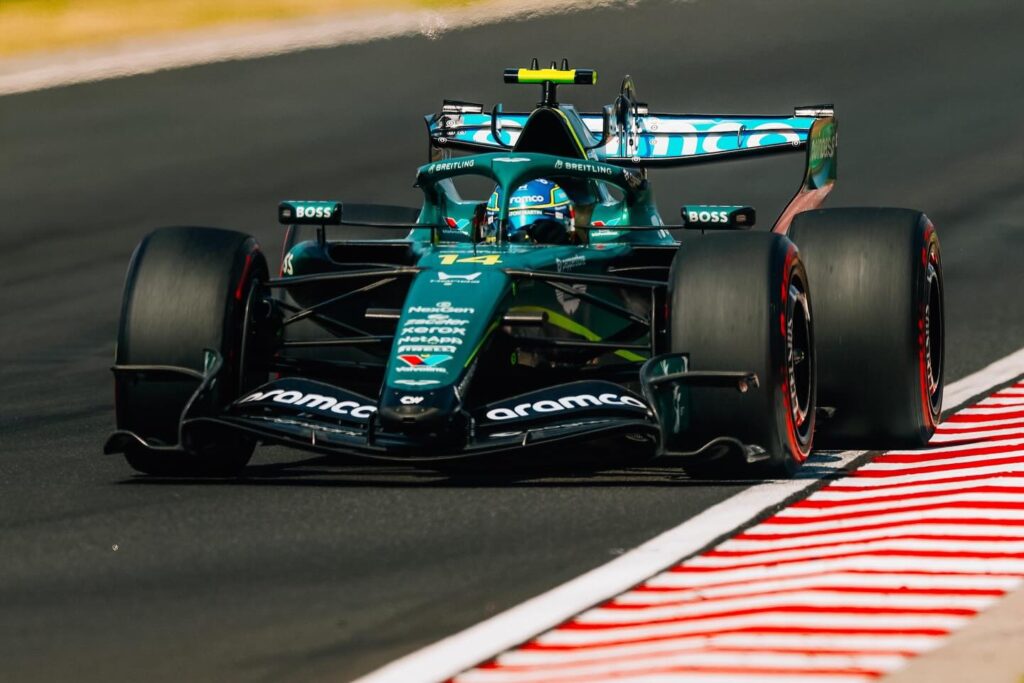
That picture began shifting only when the AMR26 received its first significant upgrade package at the Hungarian Grand Prix, a car update that addressed part of the chassis-side deficit but did not remove the power unit questions sitting behind it.
When Honda Realised the Scale of the Problem
Honda’s engineers only understood the full extent of their 2026 power unit shortfall in January, according to trackside manager and chief engineer Shintaro Orihara. Speaking in an interview with Autosport, Orihara said the picture at the end of the previous year had looked far more promising than what followed.
“So, probably at the end of last year, our position was not so bad,” he said. “Still, performance and drivability were in the development stage, but it looked okay.” That view changed abruptly once winter simulation and bench work resumed in January, when inconsistent output patterns began to surface.
“But in January, we realised that in some of the areas we found some, not issues, but we realised that performance was always up, down, up, down,” Orihara explained. “So we found some performance, but then we also found some reliability issues.” The combination of fluctuating output and emerging reliability concerns forced Honda to reassess its winter development plan almost immediately.
Barcelona Testing Exposed the Gap
Pre-season testing in Barcelona is where Honda’s performance deficit against rival manufacturers became unmistakable. Orihara said that once running started at the test, the comparison with other power unit suppliers left no room for doubt.
“When we started running in Barcelona, we realised that our performance was definitely poor compared to the other manufacturers,” he said. “And also, we found some issues on the battery side.” Battery-side problems on a new-generation hybrid power unit are significant, since energy deployment and recovery are central to lap time under the 2026 regulations.
“In January, we realised that our performance and reliability would not be competitive,” Orihara added, underlining that the January findings were not a temporary blip but a signal of deeper work still required before Honda’s return to the grid could be judged on its own terms.
Reliability Over Raw Pace
Honda deliberately slowed its own performance development in 2026 to protect reliability once the January findings were confirmed. Because reliability sits at the top of any power unit manufacturer’s priority list, Orihara explained that Honda had to step back from several performance gains rather than risk running unreliable hardware at that output level.
That decision naturally slowed overall development through the opening months of the season, compounding the gap Aston Martin was already fighting on the chassis side. The result was a first half of 2026 in which the team’s outright competitiveness lagged well behind pre-season hopes, even with Newey’s input on the AMR26 concept and the backing of a fully works-aligned engine partner.
The Hungarian Grand Prix upgrade package offered the first tangible sign of progress on the chassis, but Honda’s own admission points to a longer road on the power unit side before the full potential of the Aston Martin–Honda project can be assessed.
What This Means for Aston Martin’s 2026 Season
Aston Martin’s competitiveness for the remainder of 2026 depends on parallel progress from both its chassis department and Honda’s power unit programme. With the one-second gap to Cadillac only starting to close after the Hungarian upgrade, and Honda openly acknowledging that its performance and reliability were not competitive earlier in the year, the team faces a rebuilding process rather than a quick fix.
For a project built around Newey’s design input and a bespoke works engine deal, the January revelations from Orihara reset expectations for how quickly Aston Martin can convert its infrastructure investment into results on track. Fans following the team through this transition period can browse the current lineup of full-size display helmets inspired by the sport’s teams and eras.
“So, probably at the end of last year, our position was not so bad. Still, performance and drivability were in the development stage, but it looked okay. But in January, we realised that in some of the areas we found some, not issues, but we realised that performance was always up, down, up, down.”
— Shintaro Orihara, Honda trackside manager and chief engineer
“When we started running in Barcelona, we realised that our performance was definitely poor compared to the other manufacturers. And also, we found some issues on the battery side.”
— Shintaro Orihara, Honda trackside manager and chief engineer
FAQ
Q: When did Honda realise how big its 2026 F1 problems were?
Honda only understood the full scale of its performance and reliability issues in January 2026, according to trackside manager Shintaro Orihara, after a more positive picture at the end of the previous year.
Q: How far behind was Aston Martin before the summer break?
Aston Martin trailed rivals by around one second per lap for large parts of the season, a gap chief trackside officer Mike Krack said meant the team had barely been racing before the break.
Q: What issues did Honda find with its power unit?
Honda found inconsistent performance output and reliability concerns, plus specific issues on the battery side that became clear once running began at the Barcelona test.
Q: Did Aston Martin upgrade its car in 2026?
Yes, Aston Martin introduced its first major upgrade package for the AMR26 at the Hungarian Grand Prix, which addressed part of the chassis-side deficit.
Q: Why did Honda slow down its power unit development?
Honda stepped back from several performance gains to protect reliability, since maintaining reliable running was treated as a higher priority than raw output once the January findings emerged.
Browse F1 Helmet Collection
Display and collector replicas only. Not certified for protective use. Full-size 1:1 scale.
This article was written with the help of AI tools. Editorial policy