- Keke Rosberg
- Nigel Mansell
- Jenson Button
- Nico Rosberg
- Gilles Villeneuve
- Mika Hakkinen
- Jackie Stewart
- Mika Salo
- Emerson Fittipaldi
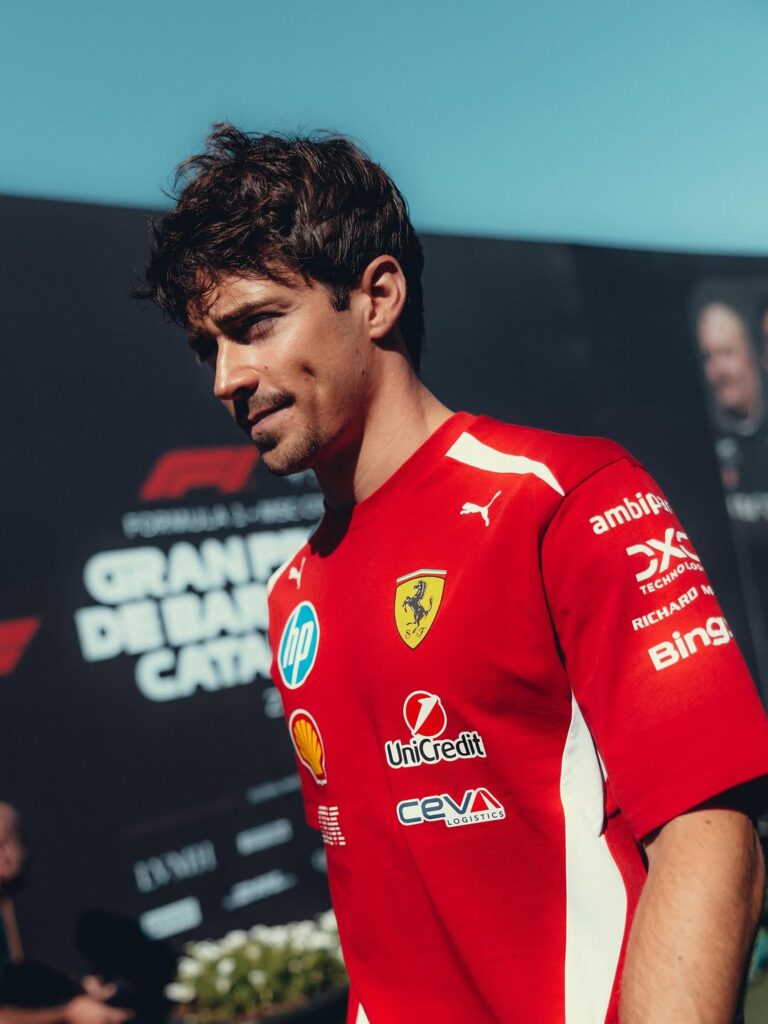
- Charles Leclerc
- Lewis Hamilton
- Max Verstappen
- Lando Norris
- Ayrton Senna
- Michael Schumacher
- Fernando Alonso
- Oscar Piastri
- George Russell
- Kimi Antonelli
- Nico Hülkenberg
- Gabriel Bortoleto
- Pierre Gasly
- Franco Colapinto
- Carlos Sainz
- Oliver Bearman
- Sergio Pérez
- Valtteri Bottas
- Isack Hadjar
- Alain Prost
- James Hunt
5 Betting Lessons From Leclerc’s Silverstone Win
Posted by
 123Helmets Editorial Team
123Helmets Editorial Team
Race Recap & Betting Analysis
Charles Leclerc broke his 2026 winless streak at Silverstone, snapping a reliability-hit Kimi Antonelli’s championship lead run, and the result left bettors with five reminders about how quickly form and fortune flip in Formula 1.
Key Takeaways
Leclerc’s Silverstone win was his first Grand Prix victory of the 2026 season.
Championship leader Kimi Antonelli was sidelined by a mechanical issue mid-race, a reminder that points leads carry no reliability guarantee.
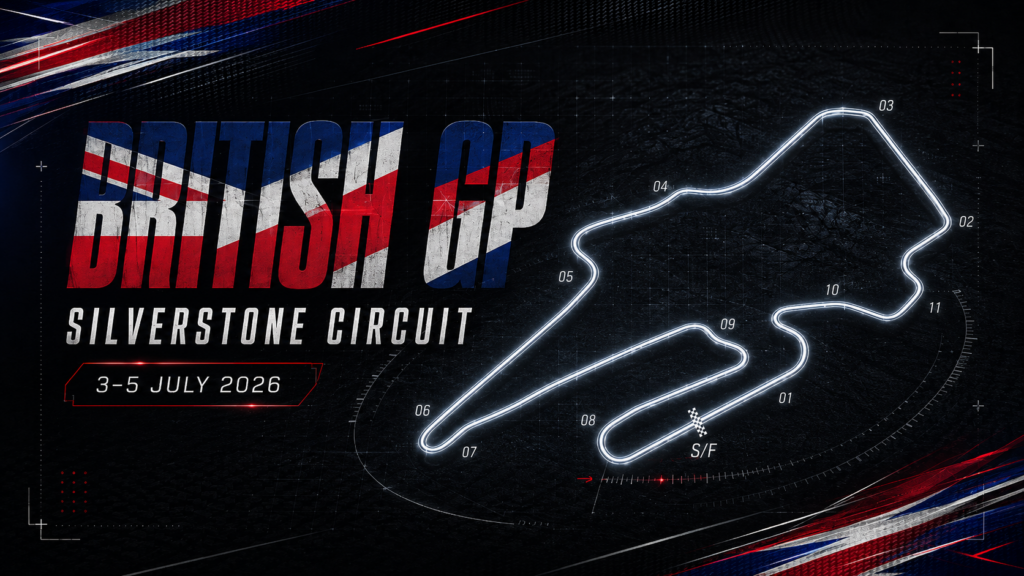
Silverstone runs 52 laps over the 5.891 km Northamptonshire circuit, a distance long enough to punish any single mechanical weakness.
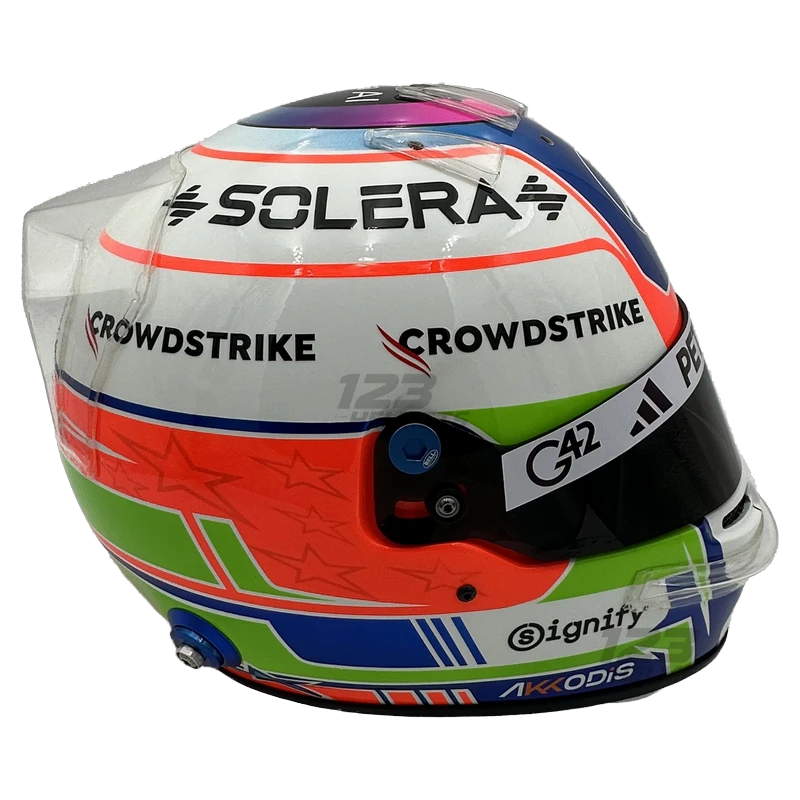
The full-size 1:1 Leclerc replica helmet on display carries a scale shell of roughly 30 × 24 cm and weighs around 1.4 kg, matching race-spec proportions collectors look for.
Silverstone Shock: Leclerc Ends His Winless Run
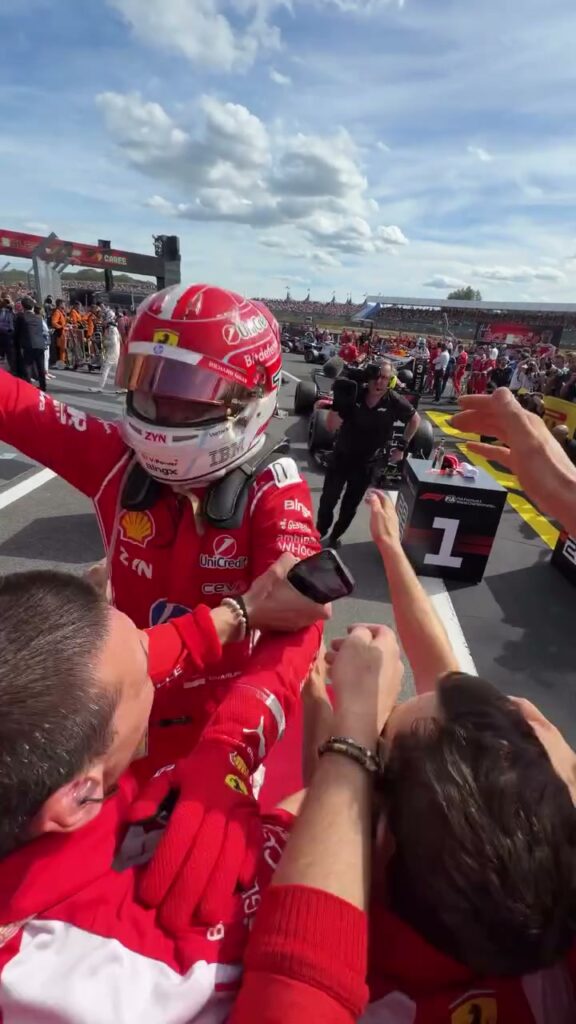
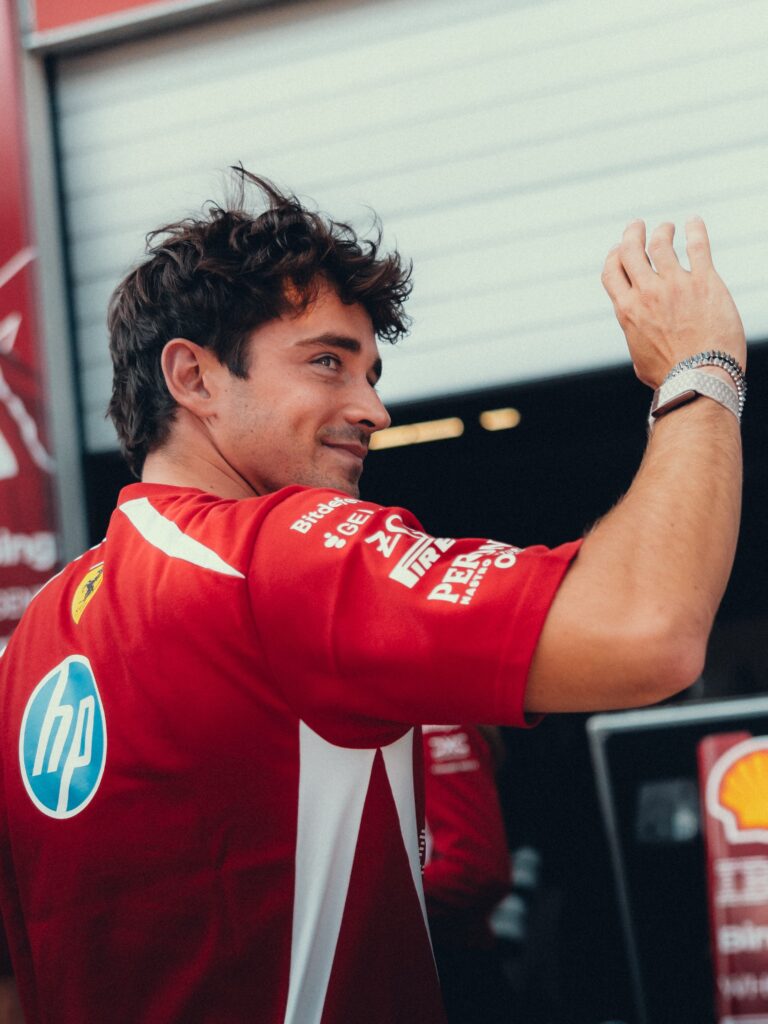
Charles Leclerc claimed his first Grand Prix win of the 2026 season at Silverstone after Drivers’ Championship leader Kimi Antonelli suffered another mechanical issue during the race. The result broke a run without a victory for Leclerc this year and disrupted what had looked like a settled championship order heading into the summer.
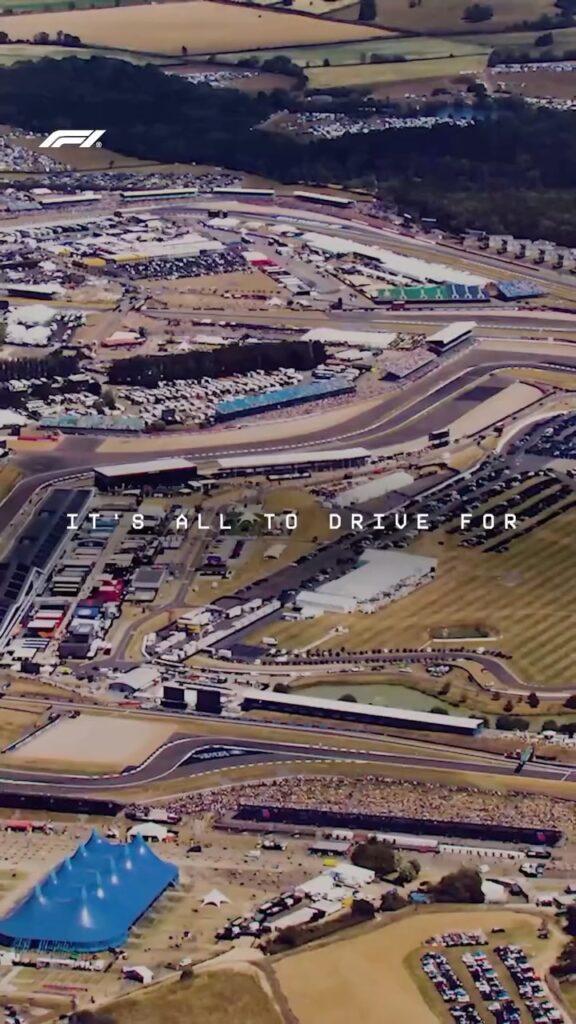
Silverstone’s Grand Prix distance is 52 laps around the 5.891 km circuit, a combination long enough that any mechanical weakness eventually surfaces. Antonelli’s issue arrived at exactly that kind of moment, costing him ground he could not recover, while Leclerc converted the opportunity into a win that reshaped both the race weekend and the outright markets that follow it.
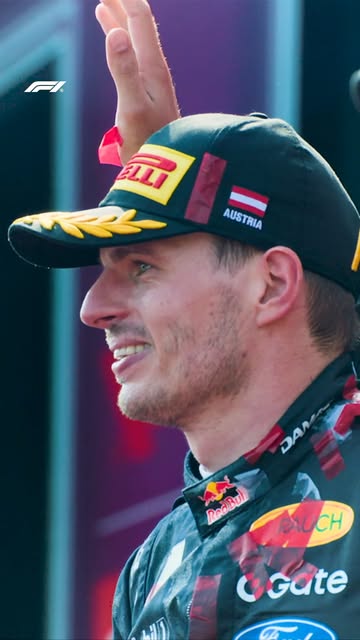
For collectors and bettors alike, the podium moment is now a reference point. The image of Leclerc on the top step, helmet still on, is exactly the kind of scene that display-piece buyers look to recreate on a shelf — and exactly the kind of moment that odds compilers re-price around within hours.
Betting Lesson 1: A Championship Lead Buys No Reliability Insurance
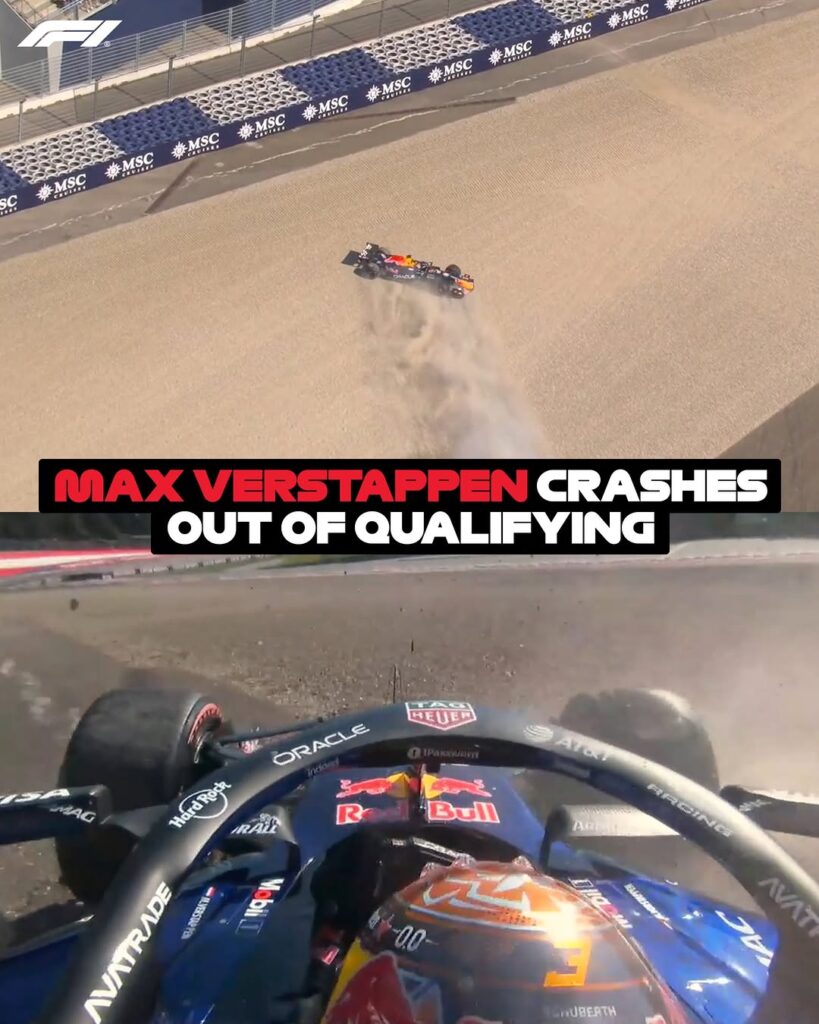
The first lesson is simple: leading the standings does not protect a driver from mechanical failure. Antonelli arrived at Silverstone as Drivers’ Championship leader and left with a compromised result purely because of a reliability issue outside his control.
Markets that price a points leader as a near-lock for the podium in every race routinely underestimate this variance. A 52-lap Grand Prix gives components 52 chances to fail, and outright win or podium bets built solely on championship position ignore that mechanical risk sits alongside driver form and car pace as a genuine variable.
Anyone building a betting model around Antonelli’s title lead this season now has a concrete data point showing how quickly a comfortable favorite can be removed from contention mid-race.
Betting Lesson 2: Circuit History Still Matters More Than Recent Form
Track-specific pace often outweighs a driver’s recent run of results. Leclerc had gone without a win this season heading into Silverstone, yet the circuit and car package clicked at the right moment, producing his breakthrough result of 2026.
This is a recurring pattern in Grand Prix betting: drivers without a win in recent rounds can still be live contenders at a track that suits their car’s characteristics. Silverstone’s high-speed, low-downforce-friendly layout has historically rewarded specific car concepts, and Leclerc’s win reinforces that circuit fit deserves as much weight as a driver’s last three or four results when pricing outright markets.
Podium Visuals: Why the Helmet Becomes the Story
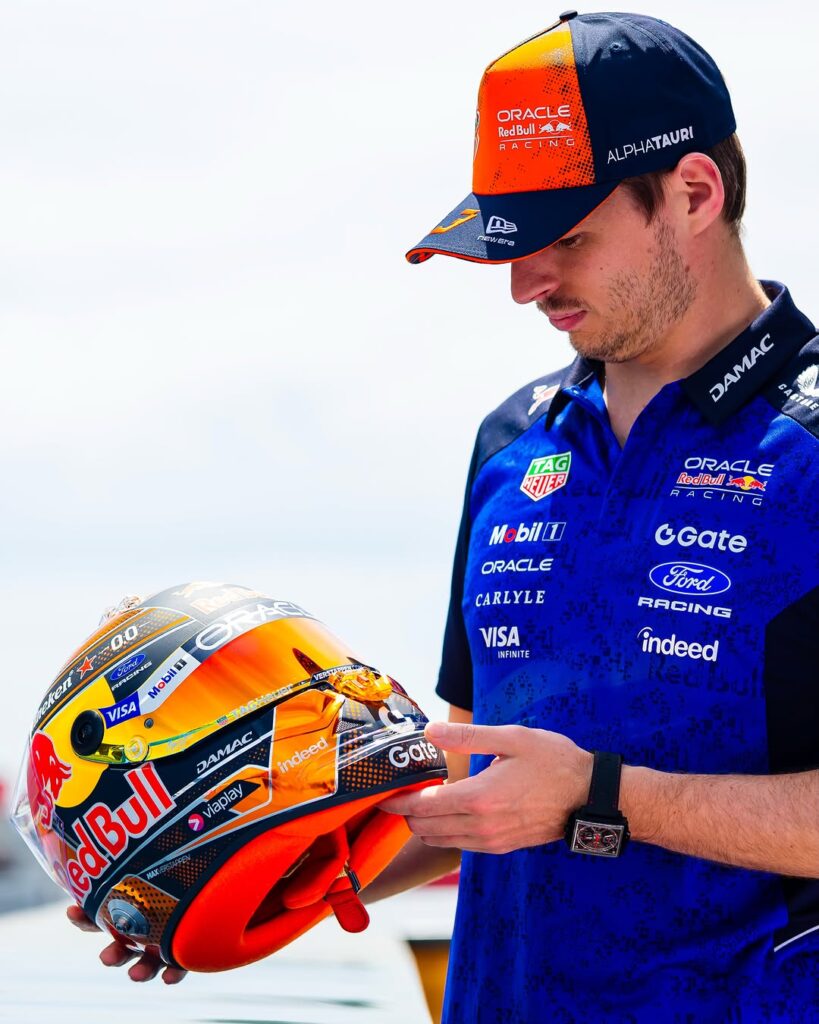
The podium helmet is the single most replicated image after any Grand Prix win, and Leclerc’s Silverstone moment is no exception. The full-size 1:1 display replica of his race helmet mirrors the scale shell dimensions of roughly 30 × 24 cm and a display weight near 1.4 kg, figures collectors use to judge whether a piece matches genuine race proportions rather than a scaled-down souvenir.
Finish quality matters just as much as scale. Exhibition-grade replicas typically carry multiple clear-coat layers, often five or more passes, to reproduce the depth seen under podium lighting, along with a visor shield around 3 mm thick to match the profile of the real item without functioning as protective eyewear.
For a driver who had waited through a winless stretch of the season, the podium helmet becomes more than a photo prop. It is the object that anchors the entire weekend in a fan’s memory, and it is precisely why display-piece demand spikes within days of a result like this.
Betting Lesson 3: Outright Markets Move Faster Than Podium Markets
Outright win odds re-price within hours of a surprise result, while podium-finish markets tend to adjust more slowly. Leclerc’s Silverstone win is the kind of result that immediately compresses his odds for upcoming rounds, even before the next practice session runs.
Podium markets, by contrast, often lag because they account for three drivers instead of one, meaning uncertainty around the second and third places keeps those prices comparatively stable for longer. Bettors who track this gap and act on outright markets quickly after a shock result — rather than waiting for consensus to catch up — typically find better value than those who wait for the wider market to fully digest a race like this one.
Betting Lesson 4: Mechanical Failures Reset the Season, Not Just the Race
A single mechanical issue can reshape outright championship markets for the rest of the season, not just the affected race weekend. Antonelli’s issue at Silverstone did more than cost him points on the day; it narrowed his championship cushion and reopened the title conversation that had appeared settled.
Season-long outright bets placed before a reliability scare often look overly conservative afterward, since a single incident like this can shift the perceived gap between the leader and closest rivals by a meaningful margin. Leclerc’s win, paired with Antonelli’s setback, is a clean example of how one weekend’s misfortune changes the shape of the entire remaining calendar’s betting board — and why locking in a season-long favorite too early carries its own risk.
FAQ
Q: Did Charles Leclerc win the 2026 British Grand Prix at Silverstone?
Yes, Leclerc won at Silverstone, taking his first Grand Prix victory of the 2026 season after championship leader Kimi Antonelli suffered a mechanical issue during the race.
Q: What happened to Kimi Antonelli during the Silverstone race?
Antonelli, the Drivers’ Championship leader heading into the weekend, suffered another mechanical issue during the Grand Prix, costing him ground on a 52-lap race distance he could not recover.
Q: How long is the Silverstone Grand Prix?
The British Grand Prix at Silverstone runs 52 laps around the 5.891 km circuit, one of the longer-duration races on the calendar in terms of laps completed.
Q: What size is a full-size 1:1 Leclerc replica helmet?
A full-size 1:1 display replica typically measures around 30 × 24 cm for the shell and weighs approximately 1.4 kg, matching race-spec proportions rather than a scaled-down souvenir size.
Q: What is the main betting lesson from Leclerc’s Silverstone win?
The clearest lesson is that a championship lead offers no protection against mechanical failure, and outright markets typically re-price faster than podium markets after a surprise result like this one.
Shop Charles Leclerc Collection
Display and collector replicas only. Not certified for protective use. Full-size 1:1 scale.