
Blog
David Coulthard: Miami GP May Not Reveal True Impact of F1 Rule Tweaks
 123Helmets Editorial Team
David Coulthard: Miami GP May Not Reveal True Impact of F1 Rule Tweaks
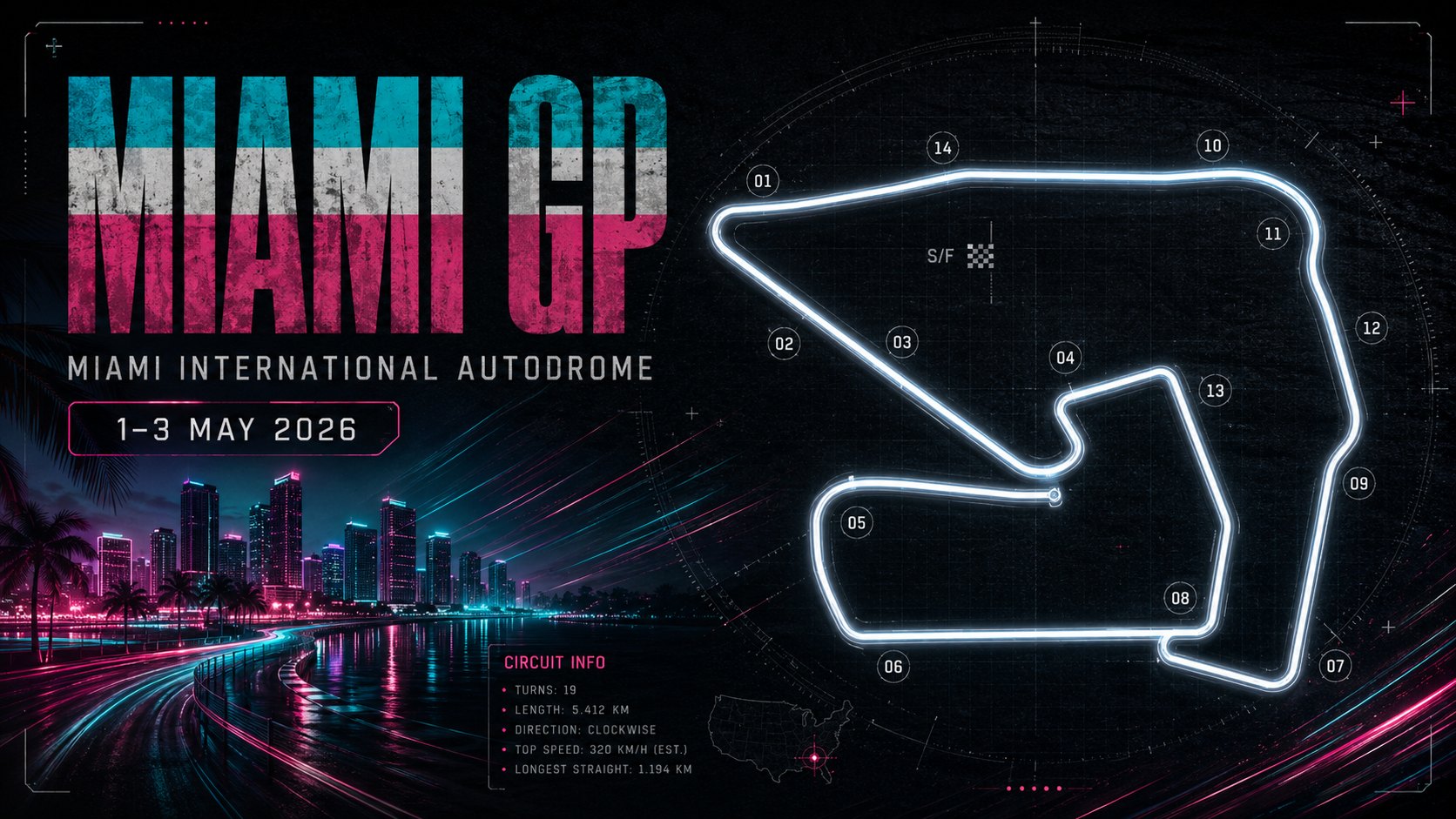
Under Florida’s punishing sun and against the neon glow of Hard Rock Stadium, the Miami Grand Prix delivered a spectacle that thrilled the grandstands — yet, as David Coulthard cautioned, the weekend may not be the litmus test many expected for Formula 1’s latest sporting and technical refinements. For collectors and helmet enthusiasts, however, the visual feast was undeniable: a parade of vivid liveries, special edition lids, and podium tableaux destined to inspire the next wave of full-size 1:1 display replicas.
Key Takeaways
David Coulthard suggests Miami’s unique characteristics may mask the genuine effect of recent F1 rule adjustments.
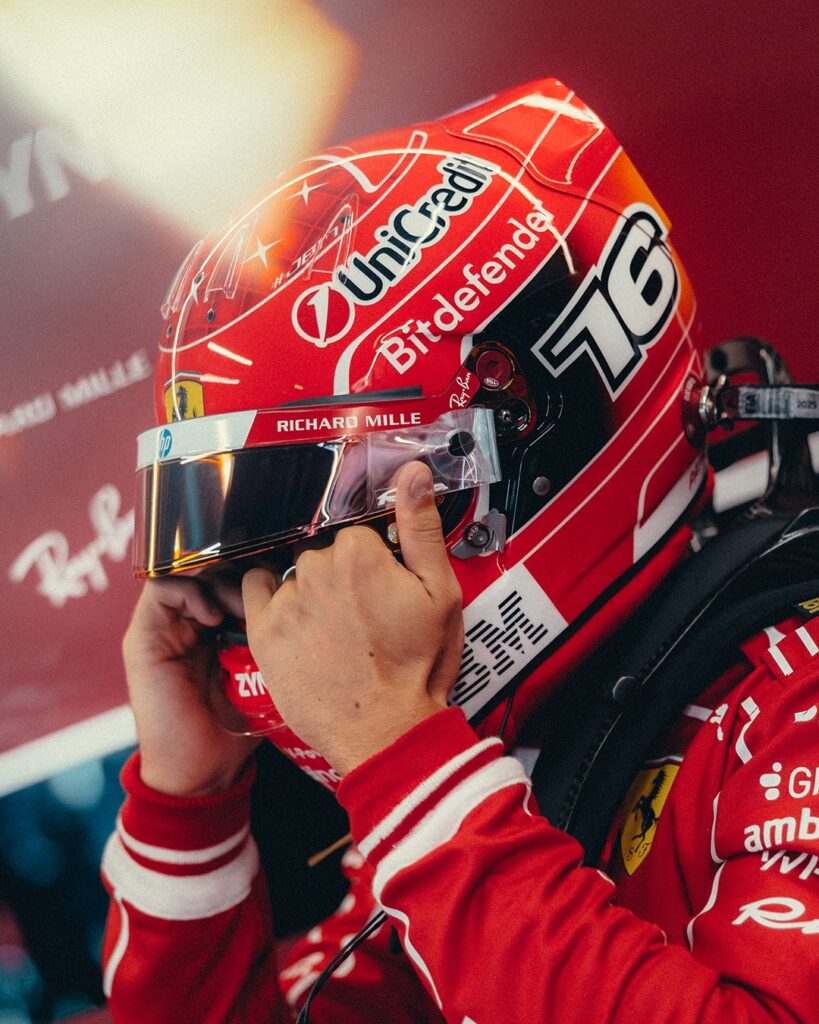
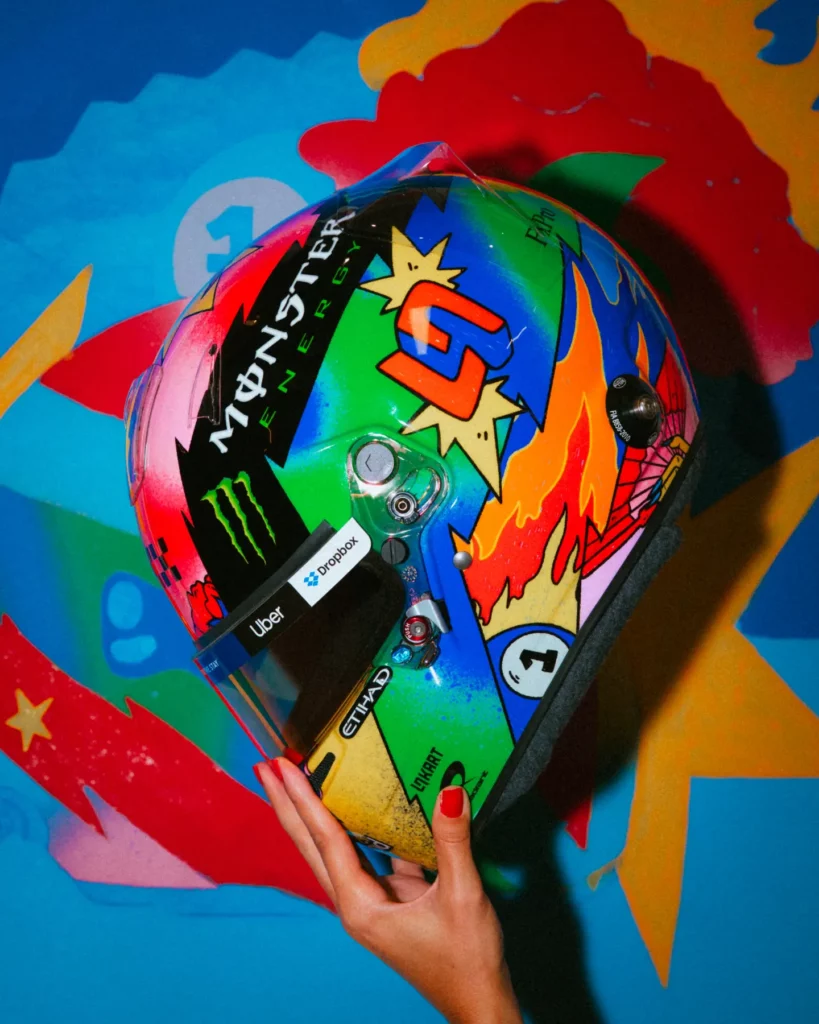
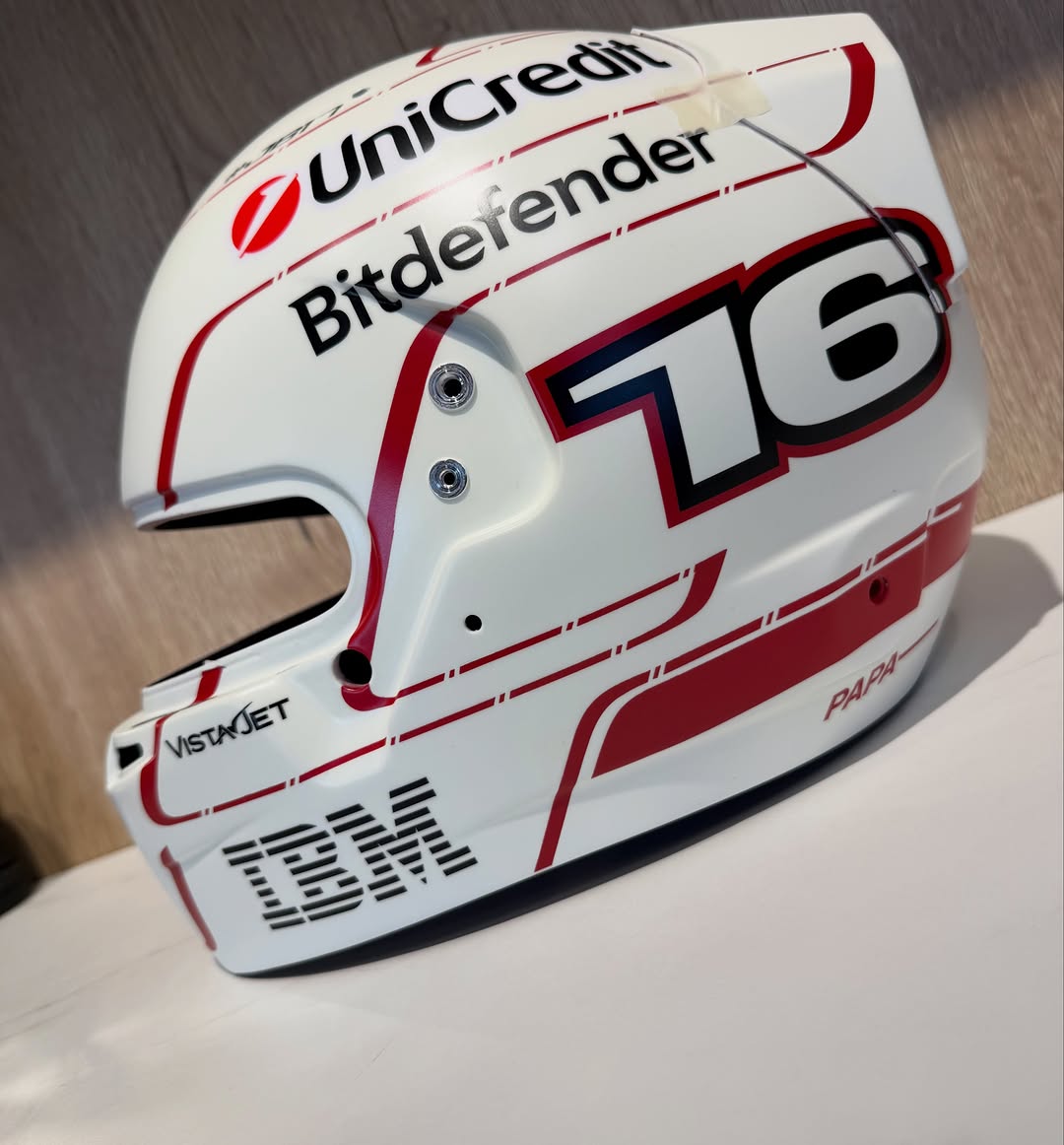
The Miami GP delivered a striking visual showcase of helmet designs and special edition liveries ideal for collectors.
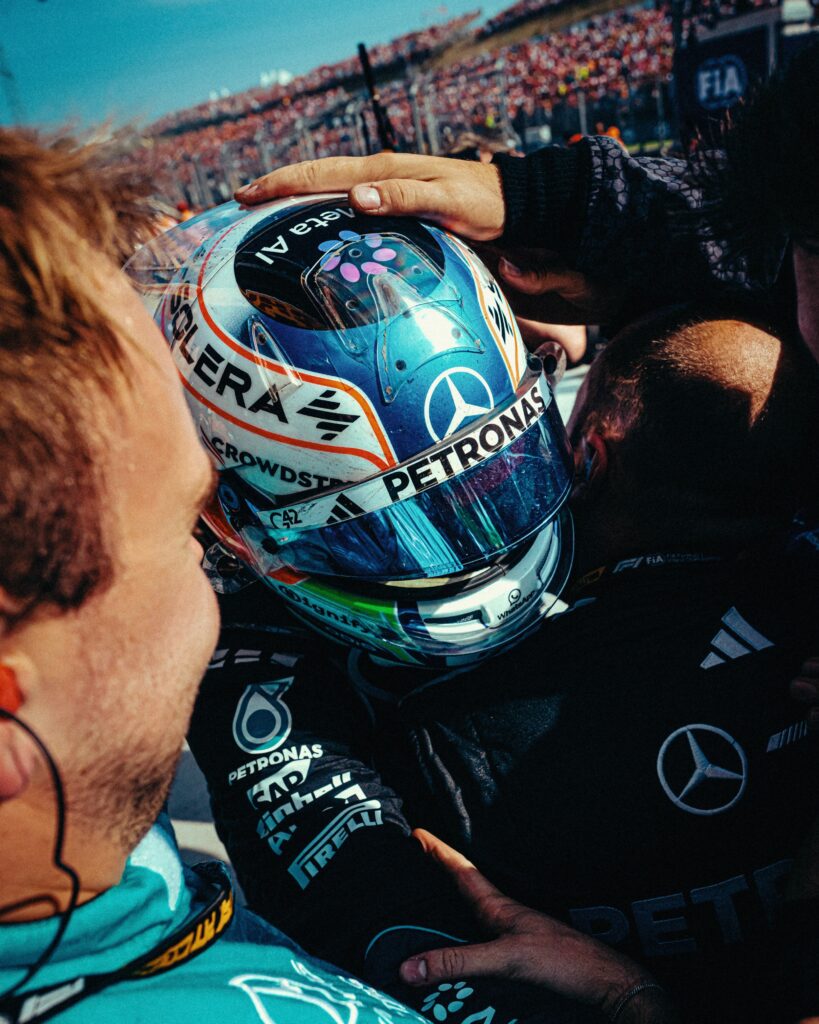
Podium moments offered display-worthy compositions, from raised trophies to helmets catching the Florida sun.
Full-size 1:1 replica helmets remain the definitive way to preserve these iconic Miami visuals as collector pieces.
Coulthard’s Caution: Reading Between the Miami Lines
Speaking after the chequered flag dropped on another vibrant Miami Grand Prix, David Coulthard offered a measured perspective that cut through the immediate post-race euphoria. The thirteen-time Grand Prix winner suggested that the unique nature of the Miami International Autodrome — a semi-permanent street circuit threading around Hard Rock Stadium — may have obscured the genuine impact of Formula 1’s latest sporting and technical tweaks.
Coulthard’s argument hinges on a familiar truth in motorsport: Miami is an outlier. Its abrasive surface, low-grip transitions between sectors, and bumpy chicane complex create a set of variables that don’t always translate to more conventional venues. What looks like a transformative rule change in South Florida might prove pedestrian at Imola, Monaco, or Barcelona — and vice versa.
Why Miami Distorts the Picture
The Scottish veteran pointed to several factors. First, tyre degradation behaves differently on Miami’s surface, which has historically punished some compounds more than others. Second, the layout’s combination of long straights and tight, technical infield sections rewards specific car characteristics that may amplify or mask the intended effects of regulatory adjustments. Third, the heat — both ambient and track — pushes cooling and tyre management into territory rarely encountered elsewhere on the calendar.
For the helmet collector, however, this analytical complexity translates into something more straightforward: another weekend of breathtaking visuals to memorialise. The very conditions Coulthard flagged as misleading from a competitive standpoint are precisely what give Miami its unmistakable aesthetic signature.
The Miami Visual Spectacle: Liveries Under Florida Light
Few rounds on the Formula 1 calendar offer lighting conditions as flattering — and as challenging — as Miami. The low-angle Florida sun rakes across carbon fibre and metallic flake paint in a way that brings even subtle livery details into sharp relief. Photographers and videographers know it. Team marketing departments know it. And, increasingly, helmet collectors know it too.
Special Editions and Statement Designs
Miami has become a tradition for special edition liveries and one-off helmet designs. The combination of an American audience, a celebrity-saturated paddock, and a circuit built for spectacle encourages teams and drivers to push their visual identities further than they might at more historically restrained venues. From candy-bright accents to chromatic gradients that shift in the sunlight, the Miami weekend is, in many respects, a fashion week for Formula 1.
For the 1:1 replica market, this matters enormously. Special edition helmets that debut in Miami often become the most sought-after display pieces in subsequent months. Collectors plan their acquisitions around them. Display rooms are reconfigured to accommodate them. The Miami lid is, for many, the centrepiece of an annual collecting calendar.
Podium Visuals as Collector Reference
The Miami podium itself is a striking installation: framed by water, branded signage, and the distinctive architecture of the Hard Rock complex. When drivers raise their trophies, helmets either held aloft or set carefully at their feet, the resulting compositions function almost as living mood boards for the collector community. The way light catches a top-of-helmet design, the contrast between race-worn matte finishes and the gloss of the trophy — these are the details that 1:1 replica craftsmen study obsessively.
On-Track Drama: The Race Itself
The Grand Prix delivered the now-customary Miami cocktail of strategy, attrition, and late-race tension. Early laps saw the field thread cautiously through the stadium complex, with the opening sector’s tight transitions punishing any optimism on cold tyres. As the stints stretched, the leading runners began to separate, and the order behind them fragmented into a series of intense midfield duels.
Strategy as the Defining Factor
Tyre management proved decisive once again. Teams that read the degradation curve correctly were rewarded with track position they could defend; those who misjudged found themselves shuffled backwards regardless of raw pace. Pit windows opened and closed with unusual urgency, and several drivers gambled on undercuts that paid handsomely while others were left exposed.
It’s precisely this strategic chaos that complicates Coulthard’s analytical task. When outcomes are dictated as heavily by tyre choice and pit timing as by car performance, separating the signal of regulatory change from the noise of circumstance becomes nearly impossible. A team’s apparent step forward might owe more to a strategist’s intuition than to any technical evolution.
Wheel-to-Wheel Moments Worth Framing
For all the strategic intrigue, Miami still produced its share of pure racing moments — the kind of side-by-side battles through the stadium section that become reference points for the season. Each of these on-track confrontations is, from a collector’s perspective, a future display narrative: the helmets involved, the visors lowered in concentration, the precise angle at which two machines rounded a corner together.
The Helmet as Storyteller
One of the most rewarding aspects of building a serious F1 helmet display is recognising that each lid carries the imprint of a specific weekend. A Miami helmet is not simply a colourway — it is a record of conditions, of context, of a particular moment in a driver’s career. The full-size 1:1 collector replica honours this by reproducing every detail at exhibition quality: the layered decals, the airbrushed transitions, the sponsor logos sized exactly as they appeared on the grid.
Why 1:1 Scale Matters for Display
Smaller scale helmets have their place, but for serious collectors, only a full-size 1:1 replica delivers the visual authority required for a centrepiece display. At true scale, the proportions read correctly from across a room. The shell catches light the way it does in television broadcasts. Mounted on a quality stand, with appropriate plinth lighting, a 1:1 replica becomes the focal point of any motorsport-themed space.
Miami designs benefit particularly from this treatment. Their vivid palettes and complex graphical treatments are designed to be seen — to broadcast across a packed stadium and through a television lens. Reduced in scale, they lose impact. At full size, they sing.
Curating a Miami Sub-Collection
An increasing number of enthusiasts now build dedicated sub-collections organised by venue. A Miami shelf, populated by special edition lids from successive seasons, tells a story that few other groupings can match: the evolution of American Formula 1, the maturation of the event itself, and the increasingly bold creative choices teams make when the Florida cameras are rolling. As display projects go, few are as visually rewarding.
What Coulthard’s Analysis Means for the Season Ahead
If Miami did indeed mask the true effect of recent rule tweaks, as Coulthard suggests, then the coming European rounds will provide the more revealing test. Imola, Monaco, and Barcelona each impose their own demands, but collectively they present a more conventional baseline against which the regulatory shifts can be measured. Patterns will emerge. Pretenders will be exposed. Genuine progress will become impossible to disguise.
Implications for Collectors Watching the Calendar
For the helmet collector, this analytical horizon translates into anticipation. If a team or driver is genuinely on the rise, the Miami visuals — already striking — will be joined by equally compelling moments at the historic European circuits, each with their own special edition tradition. Monaco, in particular, remains the high watermark for one-off helmet designs, and a driver carrying genuine momentum into the principality often produces the season’s most coveted lid.
The strategic collector therefore watches Miami with two eyes: one on the spectacle itself, the other on the signals it sends about which drivers and teams will dominate the visual narrative of the months ahead. Coulthard’s caution is, in this sense, an invitation — to look past the immediate noise and toward the season’s true storylines, the ones that will be commemorated in display cabinets for decades to come.
“Miami is unique enough that you have to be careful drawing big conclusions from it. The real picture of these rule tweaks will only emerge once we’ve seen them at more conventional circuits.”
— David Coulthard, paraphrased post-race analysis
FAQ
Q: Why does David Coulthard think Miami doesn’t reveal the true impact of F1 rule tweaks?
Coulthard argues that Miami’s distinctive surface characteristics, layout, and climate create an unusual set of variables that can amplify or mask the genuine effects of regulatory changes. He suggests waiting for results at more conventional European circuits before drawing firm conclusions.
Q: What makes Miami GP helmets particularly attractive to collectors?
Miami often debuts special edition helmet designs created specifically for the American audience and the event’s spectacle-driven atmosphere. These one-off lids tend to feature bolder palettes and more elaborate graphics, making them especially desirable as full-size 1:1 collector replicas.
Q: Why are full-size 1:1 replica helmets preferred over smaller scales?
At true scale, a replica reproduces the visual presence of the original. Proportions read correctly from across a room, and intricate livery details remain legible. For exhibition-quality display, full-size 1:1 replicas deliver an impact that reduced-scale models simply cannot match.
Q: Are these helmets suitable for any kind of protective use?
No. The replicas referenced are display and collector pieces only. They are crafted as full-size 1:1 exhibition items intended for showcase and curation, and are not designed or intended for any form of protective application.
Q: How should collectors organise a Miami-themed helmet display?
A popular approach is to build a dedicated venue sub-collection, grouping special edition Miami lids from successive seasons together. Quality stands, considered plinth lighting, and clear sightlines allow each helmet’s unique design language to be appreciated as part of an evolving visual narrative.
Inspired by Miami’s vivid visuals and podium spectacle? Explore our full-size 1:1 collector and display replica helmets, crafted to exhibition quality so every livery detail reads as it should. Browse F1 Helmet Collection.
Display and collector replicas only. Not certified for protective use. Full-size 1:1 scale.
This article was written with the help of AI tools. Editorial policy