
Blog
F1 Rule Changes Ahead of the Miami GP Explained: What’s Changing and Why
 123Helmets Editorial Team
F1 Rule Changes Ahead of the Miami GP Explained: What’s Changing and Why
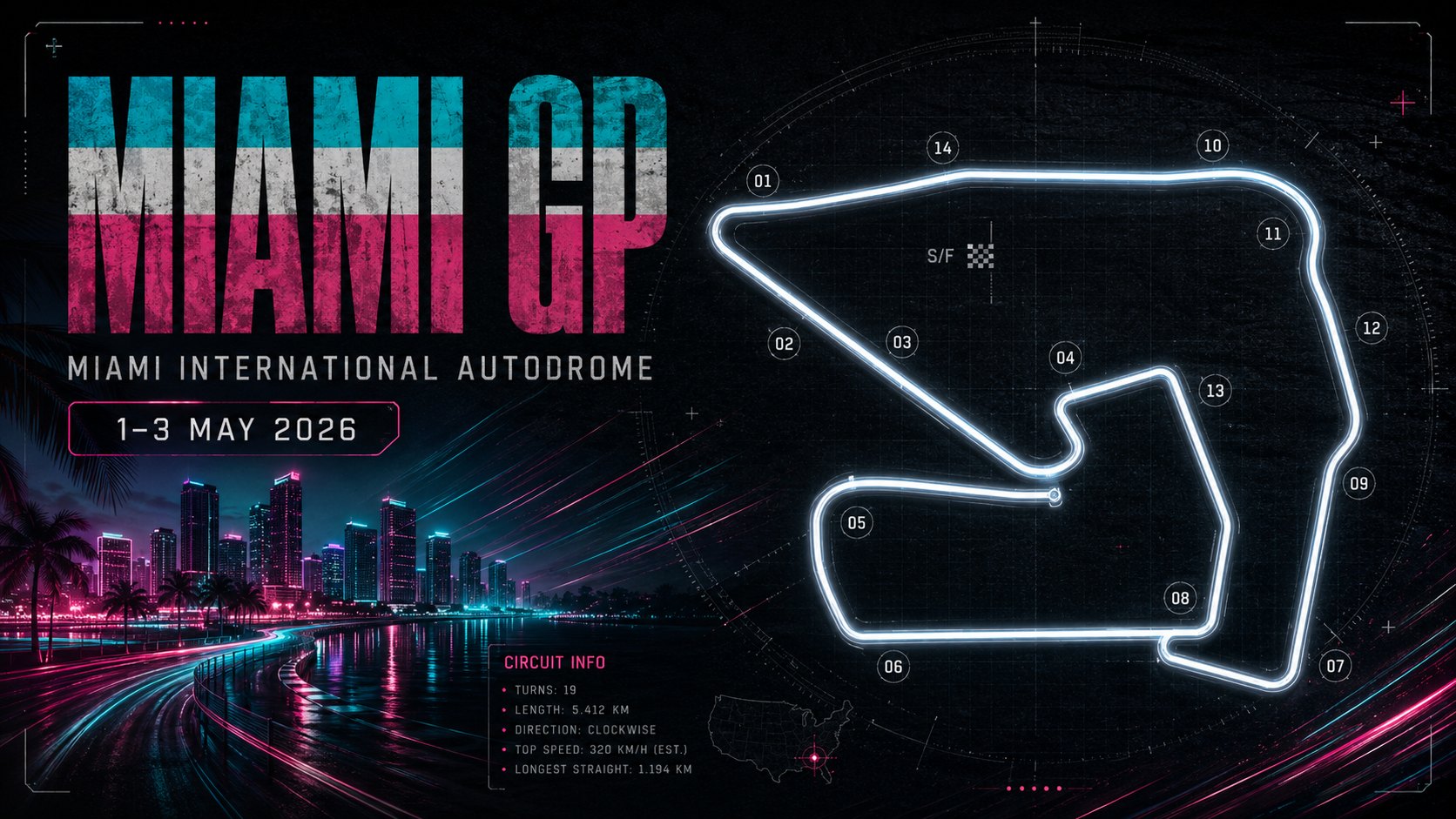
The Miami Grand Prix arrives with a wave of refined regulations that subtly reshape the spectacle, the strategy and — for collectors — the visual language of helmets and liveries on display under the Florida sun. Here is what changed, why it matters, and which display-worthy moments emerged from the Hard Rock Stadium circuit.
Key Takeaways
Refined technical directives reshaped car behaviour and amplified helmet visibility on track
Miami’s neon-soaked paddock produced some of the season’s most display-worthy helmet designs
Sprint-format procedural changes tightened the schedule and intensified Saturday’s visual drama
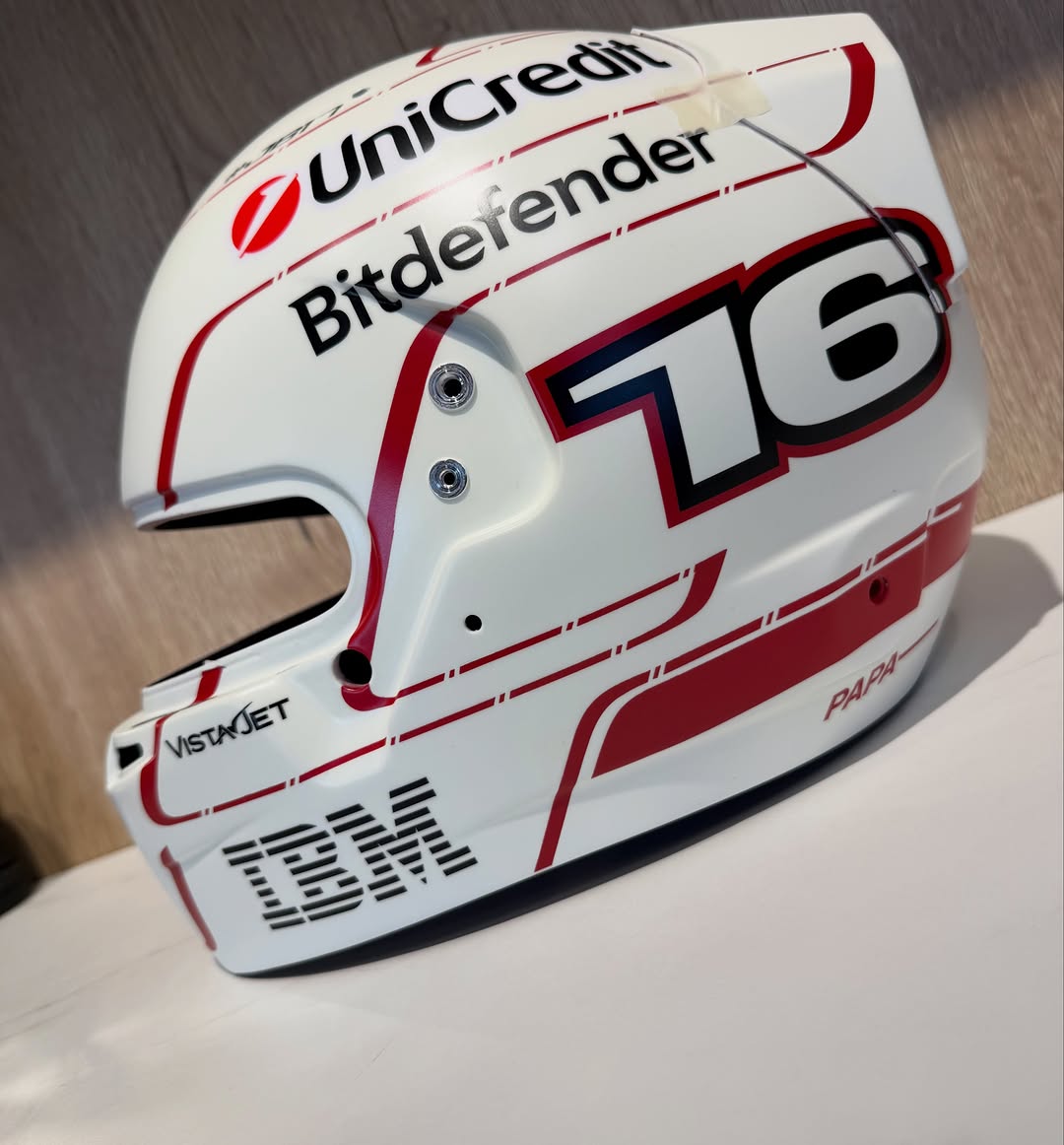
Podium liveries and crew helmets in Miami offer collectors a unique snapshot of mid-season identity
The Regulatory Backdrop Heading Into Miami
Every Miami Grand Prix weekend tends to feel like a fashion show wrapped around a motor race, and this edition was no different. Beneath the palm trees and the marina backdrop, however, a quietly significant set of rule refinements came into force — adjustments fine-tuned by the FIA in the weeks leading up to the Florida round. None of them rewrote the sport overnight, but together they nudged car behaviour, driver presentation and weekend logistics in directions that immediately translated into fresh visuals on track.
For collectors and enthusiasts who watch Formula 1 with an eye for design heritage, regulation cycles are never just about lap times. They influence helmet placement on the car, the way liveries are framed by aerodynamic surfaces, and the rituals of parc fermé and the podium where the most iconic display imagery is born. Miami, with its theatrical staging, magnified all of it.
Why the timing mattered
Mid-season rule clarifications usually arrive after a string of borderline incidents or technical disputes earlier in the calendar. The cluster of directives that landed before Miami had been telegraphed since the European leg of pre-season testing, but Florida was the first true high-speed, high-temperature stress test. The result: cars that looked subtly different in trim, drivers visibly recalibrating their inputs, and helmet cams catching new angles of asphalt and kerb that had not been visible at the same speed before.
Technical Directives: Floors, Flexi-Wings and Visual Consequences
The headline technical clarification concerned bodywork flexibility — specifically the deflection tests applied to front wings and floor edges. Tighter measurement protocols meant several teams arrived in Miami with reinforced components and revised aero maps. The visible consequence was a cleaner ride height across the field and, crucially for photographers and collectors, a more consistent sight line of the driver’s helmet above the halo.
Why this matters for helmet visibility
When floors run with less oscillation, the cockpit attitude stabilises. That stabilisation produces those crisp, almost statuesque images of a driver’s helmet framed against the halo and airbox — the kind of shot that defines a season’s worth of replica reference material. Miami delivered that in abundance, particularly through the stadium section where overhead cameras caught helmets in razor-sharp resolution.
Power unit and DRS recalibrations
A secondary directive adjusted DRS activation parameters on certain straights, including the long blast down to Turn 17. The on-board footage showed drivers holding their helmets perfectly still through the activation zone, a small choreography that reads beautifully on slow-motion replays. For exhibition-quality 1:1 helmet replicas, these are the reference frames curators dream of: clean lighting, neutral helmet angle, sponsor decals fully legible.
Sporting Regulations: Procedural Tightening on a Theatrical Weekend
Beyond the technical sphere, several sporting regulations were tightened for Miami. Pit-lane entry protocols, formation lap procedures and post-race parc fermé timing all received minor revisions. None of these will headline a documentary, but each one shaped the rhythm of the weekend and, by extension, the imagery it produced.
Parc fermé and the podium ritual
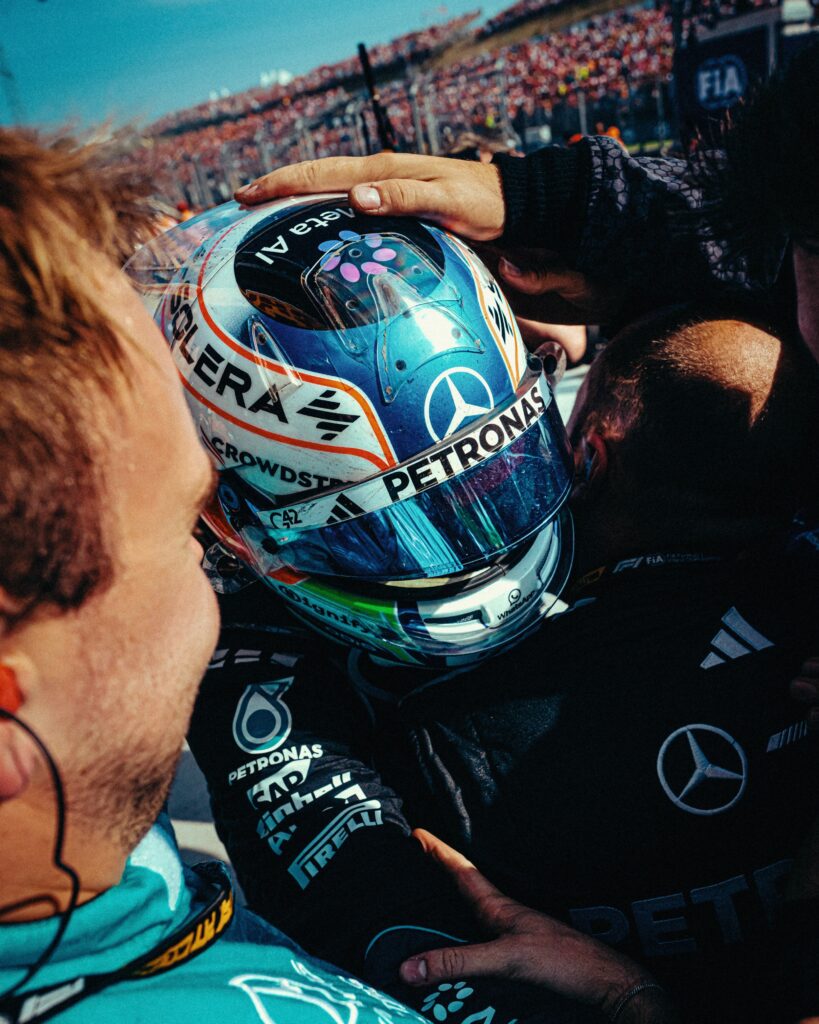
The revised parc fermé window meant drivers spent slightly longer beside their cars before heading to weighing and the cool-down room. Translation for collectors: more time with helmets on, more clean photographs of livery-helmet pairings under the late-afternoon Miami light. The pink-accented signage of the circuit reflected onto visors in a way that genuinely looks unrepeatable elsewhere on the calendar.
Track limits, with a Miami twist
Track limits enforcement was clarified at three specific corners, with Turns 14, 15 and 17 receiving dedicated camera coverage. Several lap times were deleted, but the broader effect was tighter racing lines through the chicane complex — and tighter racing lines mean more head movement caught on broadcast, more helmet detail visible, and more material for the kind of frame-by-frame analysis collectors love.
Podium Visuals: A Display Curator’s Miami Highlights
Miami’s podium is built like a stage set, and this year’s regulatory backdrop only sharpened its theatrical edge. Three moments stood out as essential for anyone curating a display piece collection or simply admiring helmet design as a craft.
The cool-down room sequence
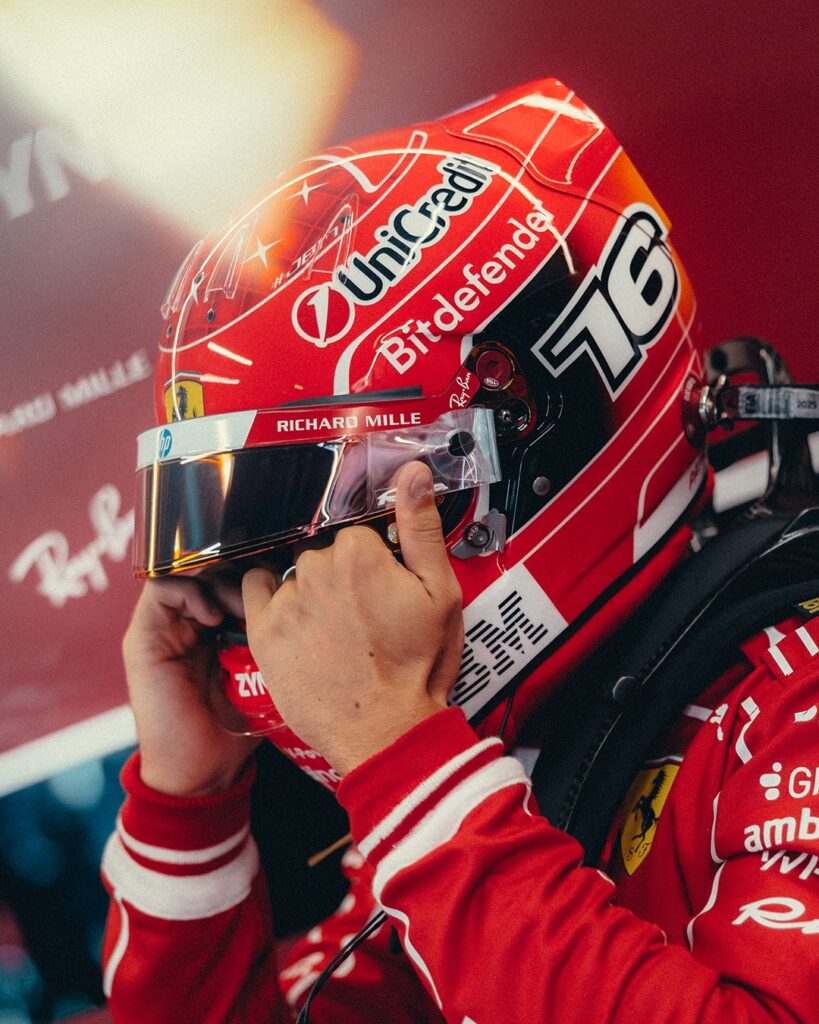
With the slightly extended cool-down window, helmets were placed on the bench rather than carried, giving broadcast cameras unusually long static shots of three top-spec lids side by side. The contrast between matte and gloss finishes, the variation in chin-bar typography, and the way each driver’s personal motif catches stadium lighting — all of it reads like a museum vitrine.
Constructors’ livery harmony on the rostrum
Because the technical clarifications produced cleaner sidepod surfaces, the team logos on the cars below the podium were unusually legible from the trophy platform. Photographers captured several frames where helmet, race suit and livery formed a single coherent design language — exactly the visual coherence that defines a true collector item.
Crew helmets and pit-wall identity
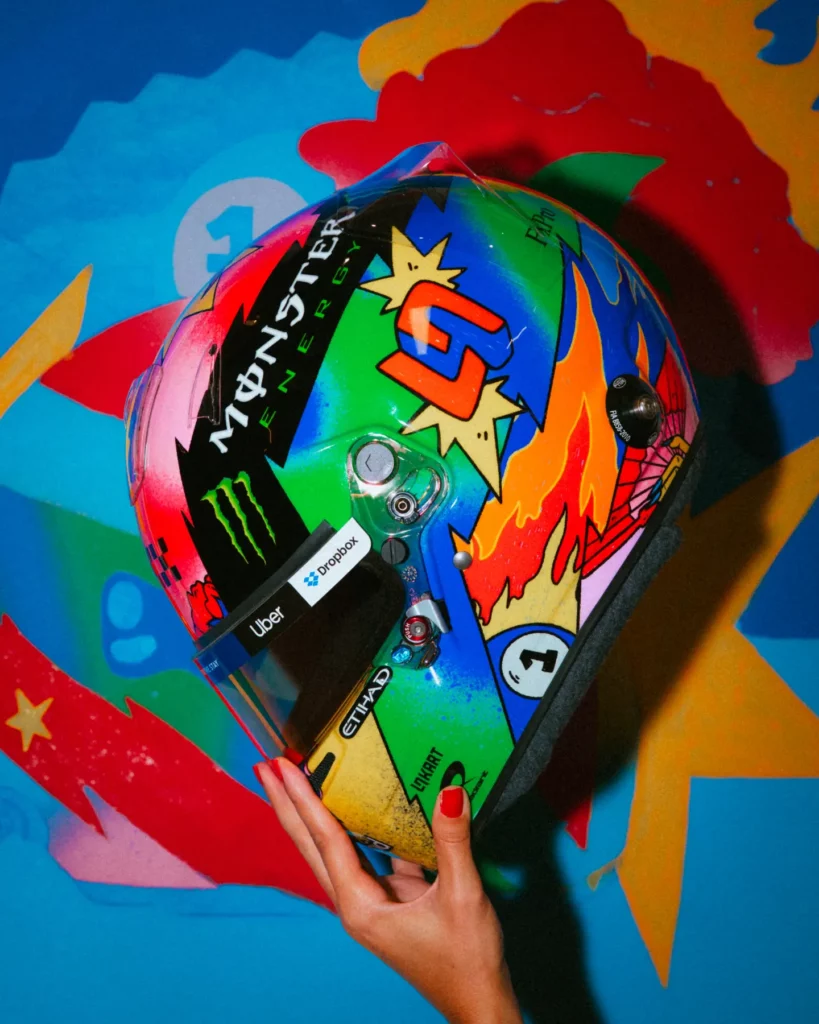
Often overlooked, the pit-crew helmets were given fresh attention thanks to a procedural change requiring crews to remain in pit lane longer during the post-race cooldown. The result was extended broadcast coverage of crew gear, and Miami’s specials — many incorporating local artwork motifs — emerged as some of the year’s most distinctive supporting visuals.
Why These Changes Resonate With Collectors
Regulation cycles and collector culture are more entwined than most fans realise. A helmet replica is, at its core, a frozen moment — a 1:1 record of how a driver presented themselves at a specific point in a specific season. When the FIA refines the rules mid-year, it effectively creates a ‘before and after’ line in the visual archive. Miami sits firmly on the ‘after’ side.
Documenting the mid-season pivot
Liveries rarely change drastically mid-season, but helmet designs frequently do, especially around marquee races like Miami. Pairing those evolving lid designs with the regulatory shifts that shaped the weekend gives collectors a richer narrative when displaying a piece. A full-size replica from this Miami round is not just a helmet — it is a marker of a procedural inflection point in the championship.
Exhibition quality, contextual depth
For anyone building a display wall or a dedicated cabinet, context multiplies value. Knowing precisely which regulations defined the weekend the helmet design debuted gives every replica an embedded story. Miami’s combination of neon aesthetics, regulatory recalibration and stadium-section camera angles produced the kind of frames that 1:1 collector replicas are designed to honour.
Looking Ahead: From Miami to the Next Visual Chapter
The Miami round closes one micro-era of the season and opens another. With the technical directives now baked into team operations, the focus shifts to how each squad refines its package for the European stretch. Helmet designs will continue to evolve, special editions will appear at heritage circuits, and the visual archive will keep expanding.
What to watch in the coming rounds
Three threads are worth following from a display-and-collection perspective: how reinforced floors influence ride height in cooler European conditions, whether the stricter parc fermé windows produce similarly photogenic post-race rituals elsewhere, and which drivers debut tribute helmets in the wake of Miami’s high-profile platform. Each thread feeds directly into the catalogue of moments that 1:1 replicas exist to commemorate.
The collector’s takeaway
Rule changes are rarely glamorous on paper, but their downstream effects shape exactly the kind of imagery collectors prize. Miami proved, once again, that the modern Grand Prix weekend is as much a curated visual event as it is a sporting contest — and that helmets, properly displayed, remain the most expressive artefact the sport produces.
“Miami is the weekend where every helmet seems to glow under the lights — the regulations may be technical, but the visuals they produce are pure theatre.”
— 123Helmets editorial desk
FAQ
Q: Did the Miami rule changes alter helmet design rules?
No. The directives concerned bodywork flexibility, DRS parameters and procedural elements. Helmet design specifications were unaffected, which is why driver lids remained the most stable visual signature of the weekend.
Q: Why do collectors care about mid-season regulation tweaks?
Because regulation shifts often coincide with helmet design refreshes and livery tweaks. A full-size 1:1 replica from such a weekend captures a specific moment in the championship’s visual archive.
Q: Were any iconic Miami special-edition helmets featured this year?
Several drivers ran Miami-specific designs incorporating local artistic motifs and neon-inspired colour palettes, all of which translate beautifully into exhibition-quality display replicas.
Q: How did the parc fermé changes affect on-track imagery?
The slightly extended window allowed broadcast cameras longer static shots of helmets, race suits and liveries together — a gift for anyone documenting helmet-livery pairings for a display collection.
Q: Are the helmets you sell intended for use on track?
No. Every piece in the 123Helmets catalogue is a full-size 1:1 collector and display replica, crafted as an exhibition-quality item. They are not certified for protective use of any kind.
Browse F1 Helmet Collection
Display and collector replicas only. Not certified for protective use. Full-size 1:1 scale.
This article was written with the help of AI tools. Editorial policy