
Blog
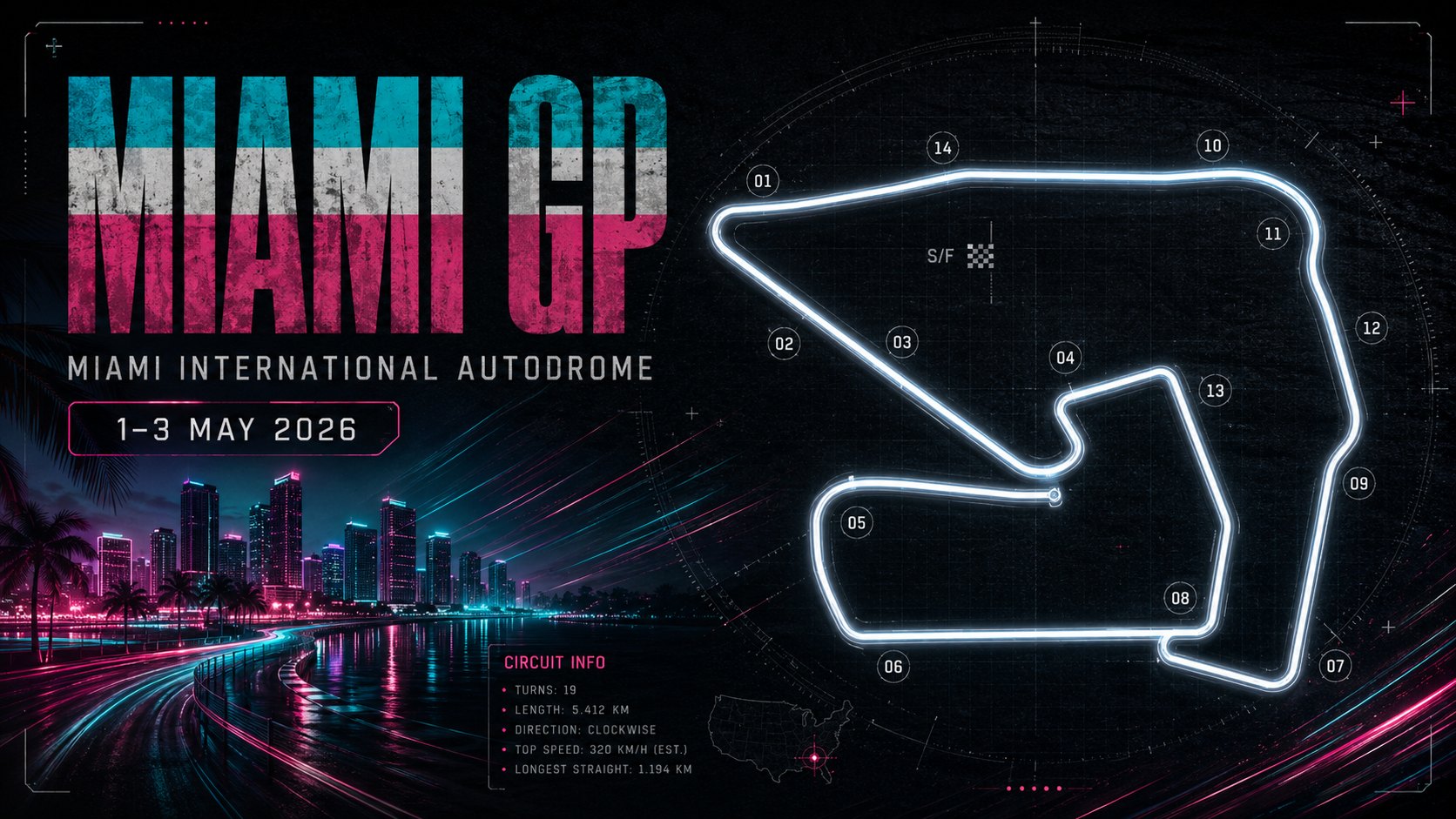
Miami GP Free Fan Events: Every F1 Team Activation Worth Seeing
 123Helmets Editorial Team
Miami GP Free Fan Events: Every F1 Team Activation Worth Seeing
From paddock-style team displays to public driver appearances, the Miami Grand Prix has become Formula 1’s most accessible race week in the United States. Beyond the circuit gates, every constructor on the grid throws open the doors to fan zones, livery showcases, and helmet-worthy photo moments — and almost all of it is free. Here is the collector’s guide to the activations that turn Miami into a citywide F1 exhibition, with a sharp eye on the visual details that matter most to display enthusiasts.
Key Takeaways
Nearly every F1 team hosts a free public activation in downtown Miami, Wynwood, or Miami Beach during race week
Livery reveals and special-edition helmet displays are the visual centerpieces collectors should prioritize
Driver meet-and-greets, simulator zones, and pit-stop challenges are typically free with online RSVP
The Hard Rock Stadium fan campus extends activations beyond the circuit for ticket holders and visitors alike
Why Miami Has Become F1’s Biggest Free Fan Festival
When Formula 1 returned to American soil with the Miami International Autodrome in 2022, the championship did not just add another race — it created a template for how a Grand Prix can spill into the host city. Unlike traditional European venues where action stays contained inside the circuit perimeter, Miami’s race week unfolds across neighborhoods. Wynwood becomes a temporary paddock of murals and pop-ups, Brickell hosts corporate-driven driver appearances, and Miami Beach turns into the unofficial home of livery launches and team showcases.
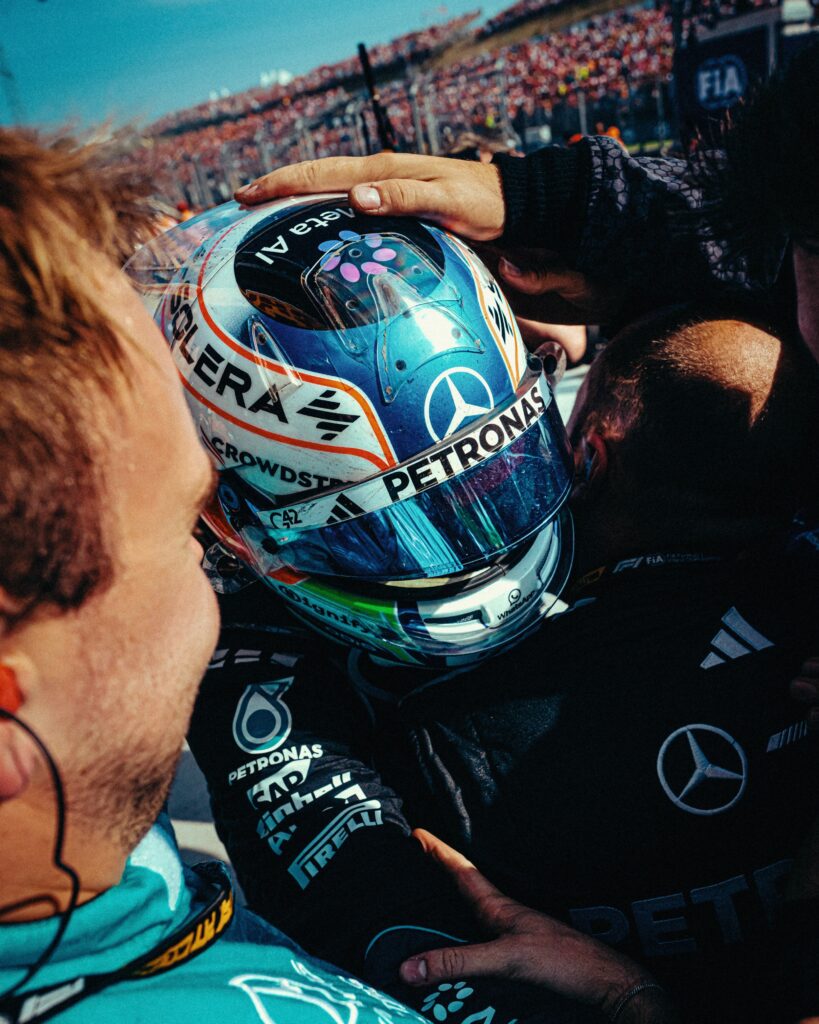
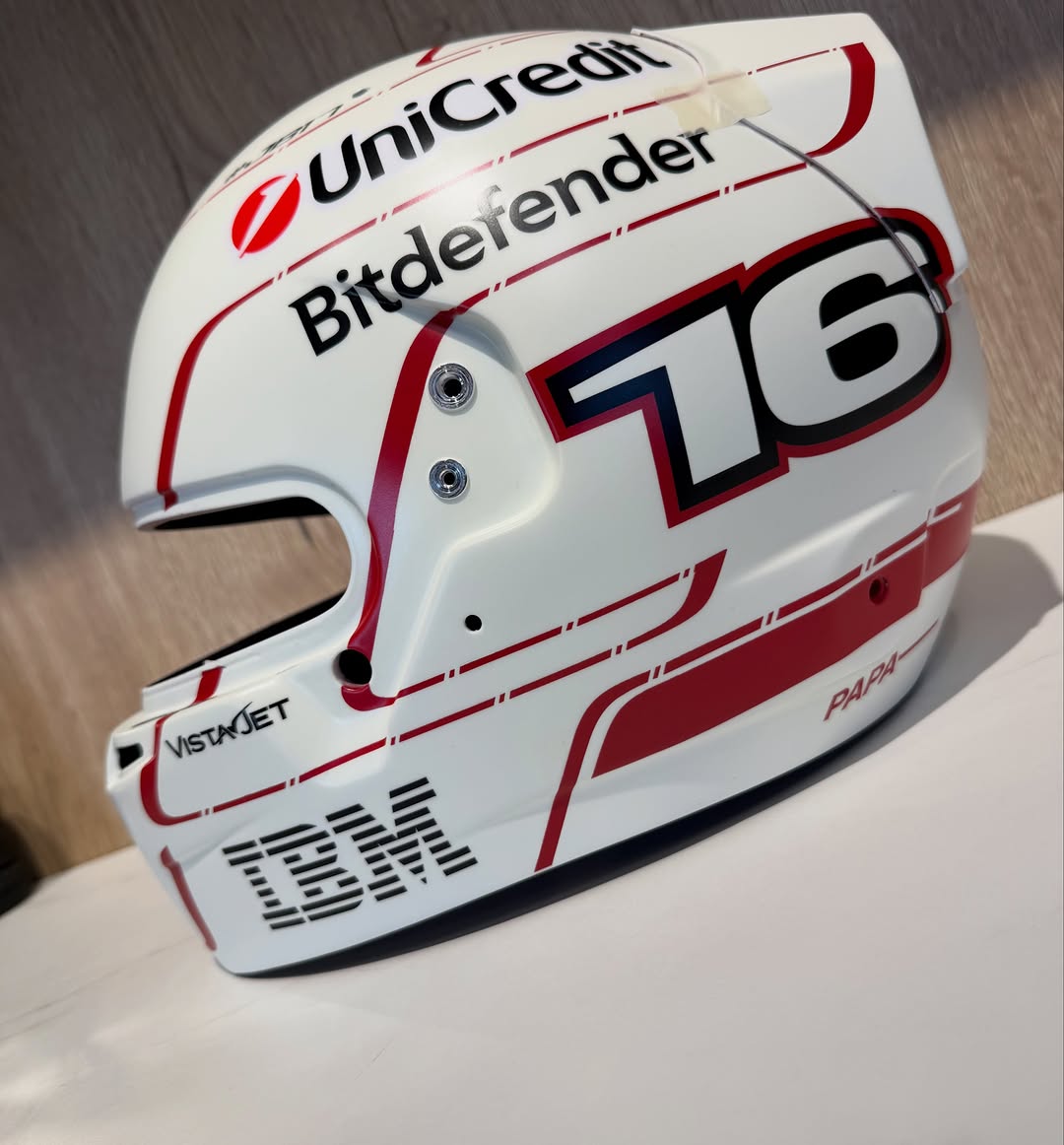
For the collector and the display enthusiast, this matters enormously. The free events are where you see the helmets up close — not behind a barrier on a Sunday grid walk, but on plinths, in glass cases, and sometimes in the hands of the drivers themselves during signing sessions. It is, quite literally, the best week of the year to study the craftsmanship behind a modern F1 lid: the candy-flake metallics, the chrome lettering, the sponsor placements that vary millimeter by millimeter from one season to the next.
A citywide gallery of motorsport design
What sets Miami apart from Austin or Las Vegas is the density. You can plan a single afternoon and walk between three or four team activations, each with its own visual identity. McLaren’s papaya energy clashes intentionally with Ferrari’s deep rosso corsa just blocks away. Mercedes typically opts for an architectural, museum-style approach. Red Bull leans into spectacle. Each space is a curated environment, and for anyone building a 1:1 replica display at home, these activations are an unmatched mood board.
McLaren’s Wynwood Takeover and the Papaya Display
McLaren has steadily built one of the most fan-friendly footprints of Miami race week. The team typically anchors itself in Wynwood, the arts district whose street-mural aesthetic blends seamlessly with the bold, graphic identity of the modern MCL livery. Entry is free, registration usually opens a few weeks before the race, and the spaces are designed for photography from the moment you walk in.
What collectors should look for
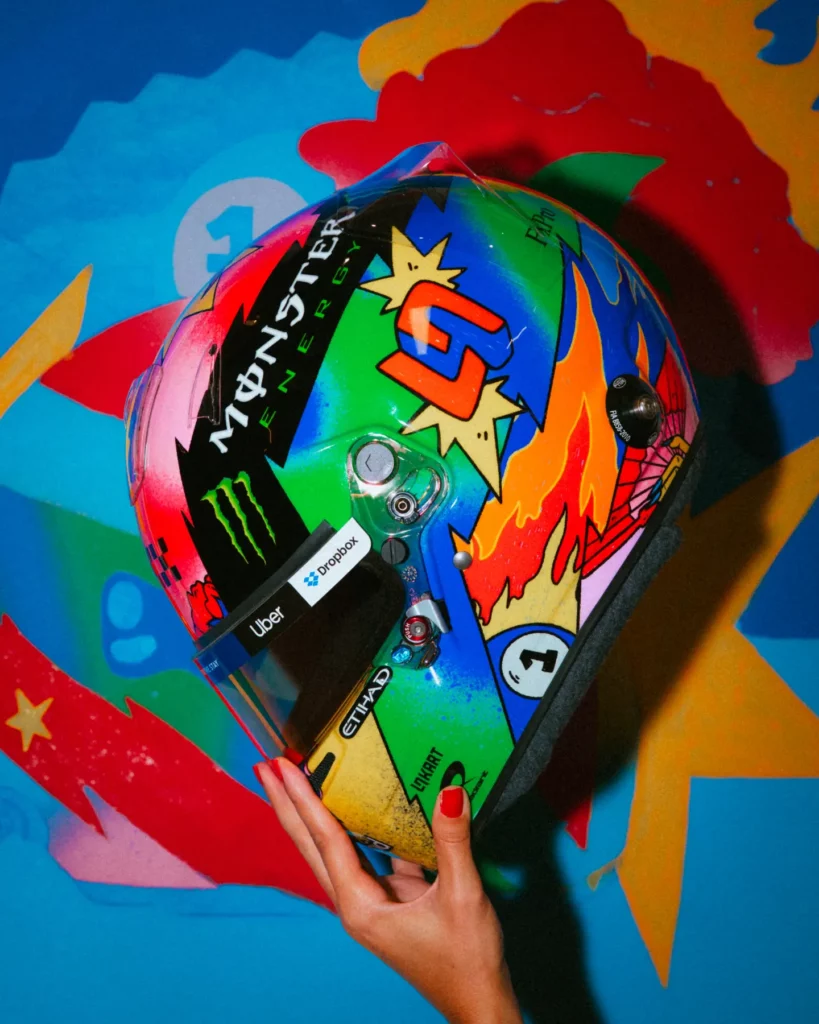
The centerpiece is almost always a show car presented in current-season specification, but the helmet vitrines are where the real interest lies. McLaren tends to display Lando Norris and Oscar Piastri lids alongside heritage pieces from previous seasons — letting fans trace the evolution of helmet graphics across multiple campaigns. For collectors of full-size 1:1 display replicas, this is invaluable reference material. You can study the exact placement of visor strips, the matte-versus-gloss zones, and the way the chin bar carries sponsor branding.
Beyond static displays, McLaren typically runs a pit-stop challenge, simulator stations, and driver appearances where signed memorabilia is given away to attendees who book in advance. The activation is family-friendly and runs across multiple days, making it one of the easier events to fit into a Miami trip.
Ferrari, Mercedes, and the Brickell Corporate Circuit
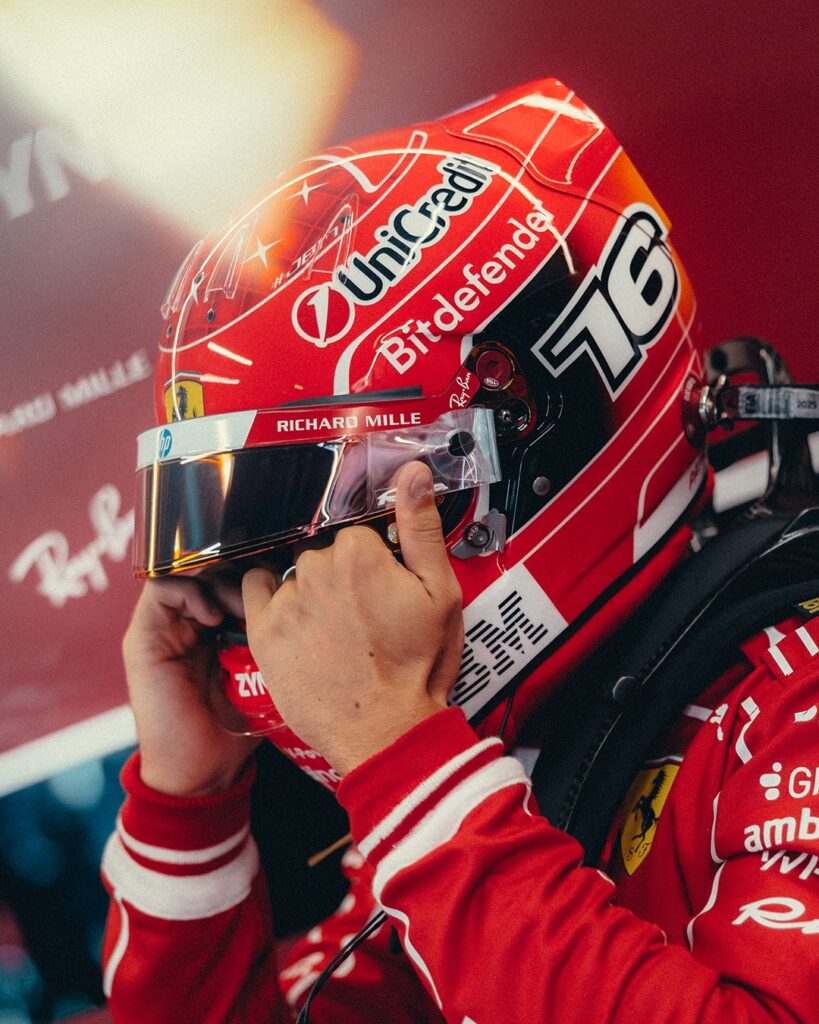
Brickell’s high-rise corridor turns into Miami’s second paddock during race week. Ferrari traditionally partners with luxury venues for hospitality-style fan moments — some are invitation-only, but a meaningful portion of the weekend is opened to the public through free RSVP. The Scuderia’s setup tends to emphasize heritage: a current SF-spec car alongside historical liveries, with helmet displays that often pair Charles Leclerc’s Monaco-themed designs with classic Ferrari lids from earlier eras.
The Mercedes museum approach
Mercedes-AMG Petronas takes a different route. Their Miami activations have leaned into a gallery aesthetic — minimalist staging, dramatic lighting, and helmet plinths that treat each lid as a sculptural object rather than a piece of equipment. This is exactly the visual language that translates beautifully to a home display setup, and many collectors take inspiration from the lighting choices alone. Pay attention to how Mercedes uses cool, directional spots to bring out the silver fleck in the W-series helmets — a technique you can replicate on your own shelf with under-cabinet LED strips.
Both teams typically host driver appearances during the Thursday-to-Friday window, with autograph sessions distributed by lottery or first-come queueing. Bringing a clean, neutral item to be signed — rather than a fully painted display replica — is the etiquette most fans observe.
Red Bull, Aston Martin and the Spectacle Activations
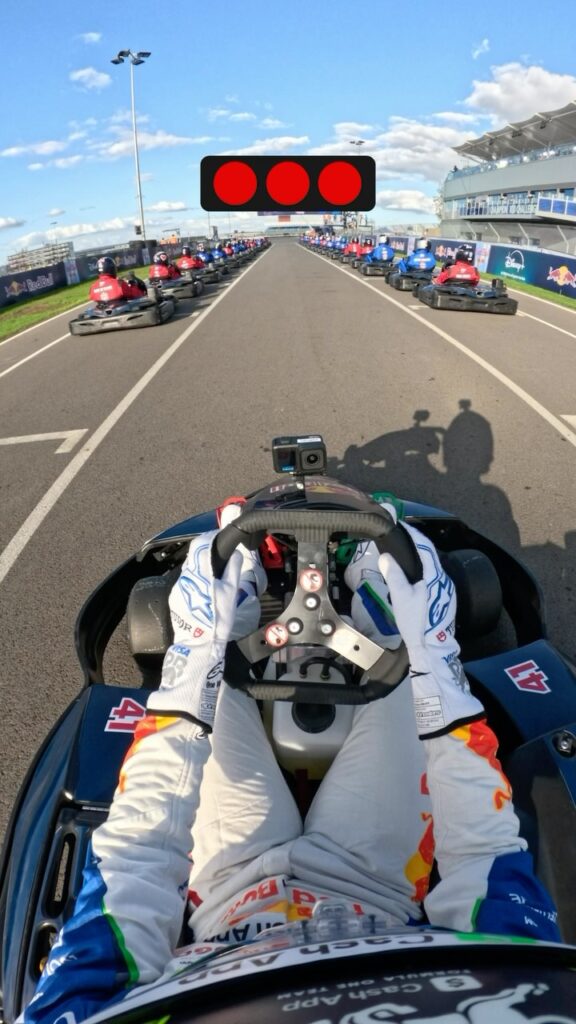
If McLaren is the art gallery and Mercedes is the museum, Red Bull is the theme park. The energy-drink giant historically deploys the largest free footprint of race week, often combining a show-run demonstration on closed Miami streets with a multi-day fan zone featuring music, food, and a rotating cast of athletes from across the Red Bull stable. Verstappen and Tsunoda appearances are tightly choreographed, but the helmet displays are open to everyone.
The special-edition helmet moment
Miami has become a launch pad for one-off helmet designs. Drivers across the grid now treat the race as an opportunity to debut city-specific liveries — neon palettes, Art Deco references, ocean-blue gradients, retro Miami Vice typography. These special-edition lids are typically displayed at the team activations during the week, then raced on Sunday, and finally retired into auction houses or driver collections. Seeing them in person, before they disappear from public view, is one of the genuine privileges of attending Miami race week.
Aston Martin, meanwhile, has steadily grown its Miami presence. The British Racing Green palette photographs spectacularly under Florida sunlight, and the team’s activation tends to be more intimate — smaller crowds, longer dwell time at each display, and excellent access to current-spec helmets and steering wheel replicas. For the discerning collector, Aston’s setup is often the most rewarding hour of the entire week.
Williams, Alpine, and the Independent Team Pop-Ups
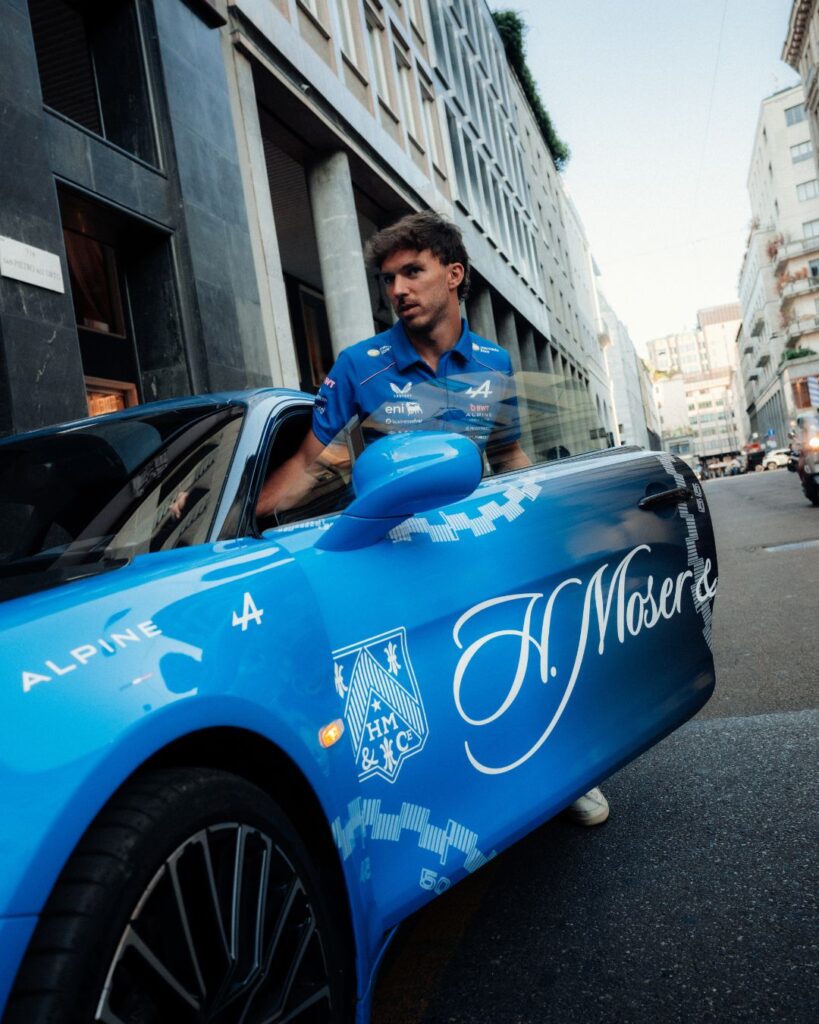
The midfield and back-of-grid teams approach Miami with creativity rather than scale. Williams has built a reputation for retro-leaning activations that celebrate the team’s deep heritage, often pulling out historical liveries that resonate with longtime fans. Alpine leans into French style with collaborations across fashion and lifestyle brands. Haas, as the only American team on the grid, traditionally hosts a more grassroots event with strong local engagement.
Why these are essential stops
For collectors, the smaller activations frequently offer the best access to drivers and team personnel. Crowds are thinner, queue times are shorter, and the conversations are longer. If you want to ask a team representative a detailed question about helmet finishing, sponsor decal application, or how a livery transitions from concept to track, the midfield pop-ups are where those conversations actually happen.
Sauber, RB, and Kick — depending on the year’s branding — round out the lineup with smaller but genuinely interesting activations, often partnered with retail spaces in Lincoln Road or the Design District. Schedules are released roughly two weeks before race week through team social channels, and the events tend to run from Wednesday through Saturday, with Sunday reserved for the race itself.
Planning Your Free F1 Week: Practical Tips for Collectors
Successfully navigating Miami race week as a collector requires a different strategy than attending purely as a spectator. The events are spread across geographies, RSVP windows close quickly, and the best helmet displays often have limited daily capacity.
Build the route, not the schedule
Group activations by neighborhood rather than by team. A Wynwood afternoon can typically cover two or three setups; a Brickell evening covers another two; Miami Beach handles luxury-leaning team partnerships. Rideshare costs add up quickly during race week — clustering by area saves both time and budget.
Bring the right gear for documentation
A polarizing filter is your best friend for photographing helmet displays behind glass. Most team vitrines use anti-reflective acrylic, but glare is still the enemy. Shoot at slight angles rather than straight on, and bring a small notebook to record specific design details you want to reference when curating your own home display. The collector mindset is documentary as much as it is acquisitive.
RSVP early, arrive earlier
Free does not mean walk-up. Most major team activations require online registration, and slots vanish within hours of opening. Set calendar alerts for two to three weeks before the Grand Prix, monitor team social channels closely, and have backup time slots ready. On the day itself, arriving thirty minutes before your window often unlocks the quietest viewing of the helmet displays before the crowds build.
“Miami isn’t just a race weekend — it’s a citywide exhibition where every team becomes a curator and every helmet becomes a piece in the gallery.”
— 123Helmets editorial desk
FAQ
Q: Are the F1 team fan events in Miami genuinely free to attend?
Yes. The vast majority of team activations during Miami GP week are free with online RSVP. Some premium experiences inside the activations — such as priority simulator slots or signed memorabilia — may require additional registration, but baseline entry, helmet displays, and show car viewing are typically open to the public at no cost.
Q: Where are most of the team activations located?
Wynwood, Brickell, Miami Beach, and the Design District host the bulk of the team pop-ups. The Hard Rock Stadium campus itself contains additional fan zones for ticket holders, but the citywide free events are concentrated in those four neighborhoods. Plan routes by area rather than by team for maximum efficiency.
Q: Will drivers actually appear at these free events?
Most teams schedule at least one driver appearance during race week, usually Thursday or Friday. Access is typically managed through lottery or timed entry, and slots fill rapidly. Lower-grid teams often offer the best access because crowds are smaller, even when star drivers are present.
Q: Can I see special-edition Miami helmet designs at the fan events?
Often, yes. Miami has become a launch venue for one-off helmet liveries, and teams frequently display these in their public activations during the week before the race. Seeing them in person — before they are raced and retired — is one of the highlights of the week for collectors of full-size 1:1 display replicas.
Q: What is the best strategy for photographing helmet displays at these events?
Use a polarizing filter to cut glare from acrylic vitrines, shoot at slight angles rather than head-on, and visit during the first thirty minutes after opening when crowds are thinnest. Most teams allow personal photography freely; tripods and professional rigs typically require prior accreditation.
Bring the Miami spectacle home — Browse F1 Helmet Collection and curate your own gallery of full-size 1:1 display replicas.
Display and collector replicas only. Not certified for protective use. Full-size 1:1 scale.
This article was written with the help of AI tools. Editorial policy