Blog
F1 Sim Racing World Championship Round 9: Qualifying Recap and the Collector’s Eye on Virtual Helmet Design
 123Helmets Editorial Team
F1 Sim Racing World Championship Round 9: Qualifying Recap and the Collector’s Eye on Virtual Helmet Design
Round 9 of the F1 Sim Racing World Championship delivered a qualifying session loaded with display-worthy moments, where virtual helmet liveries, team graphics and on-screen detail blurred the line between simulation and the kind of imagery collectors chase for their shelves.
Key Takeaways
Round 9 qualifying produced some of the most photogenic helmet visuals of the F1 Sim Racing season so far.
Virtual liveries increasingly mirror real-world helmet design language used by collectors and display enthusiasts.
Top qualifiers showcased graphic-heavy crown designs ideal for 1:1 replica reference.
The session reinforced how sim broadcasts have become a visual archive for helmet aesthetics.
A Qualifying Session Built for Visual Drama
Round 9 of the F1 Sim Racing World Championship arrived with the kind of qualifying tension that has defined the season’s second half. The grid is tightening, the championship narrative is sharpening, and every tenth on the timing screen now translates directly into broadcast spotlight time — which, for collectors of full-size 1:1 display replica helmets, means more on-screen frames of liveries we love to study.
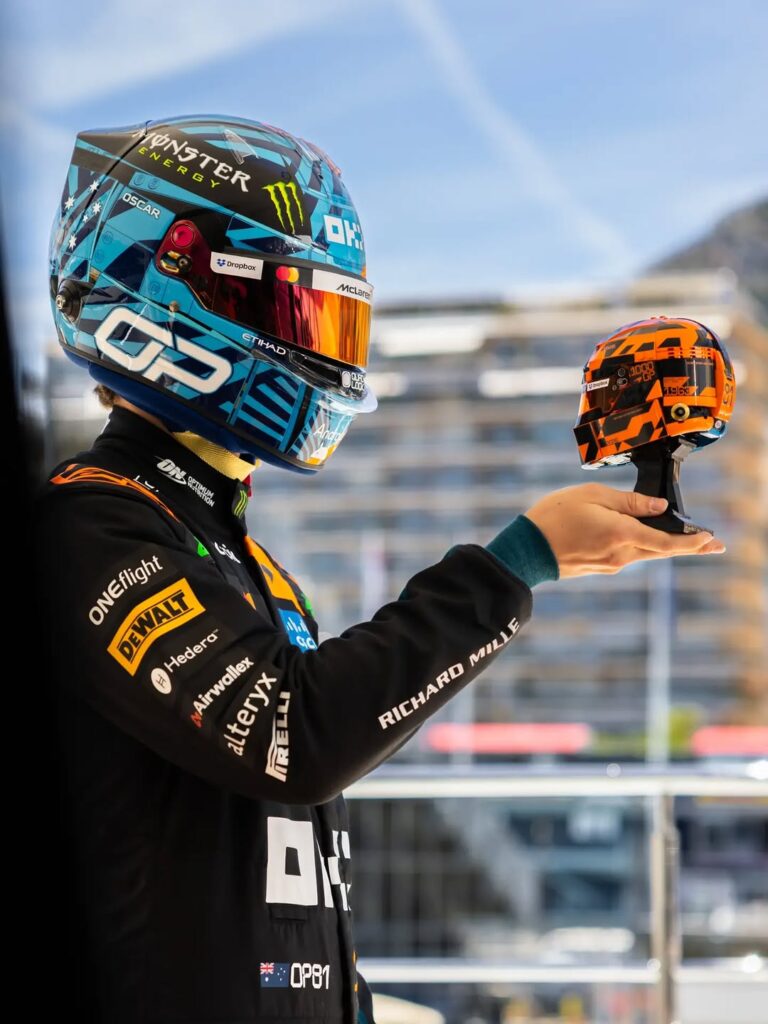
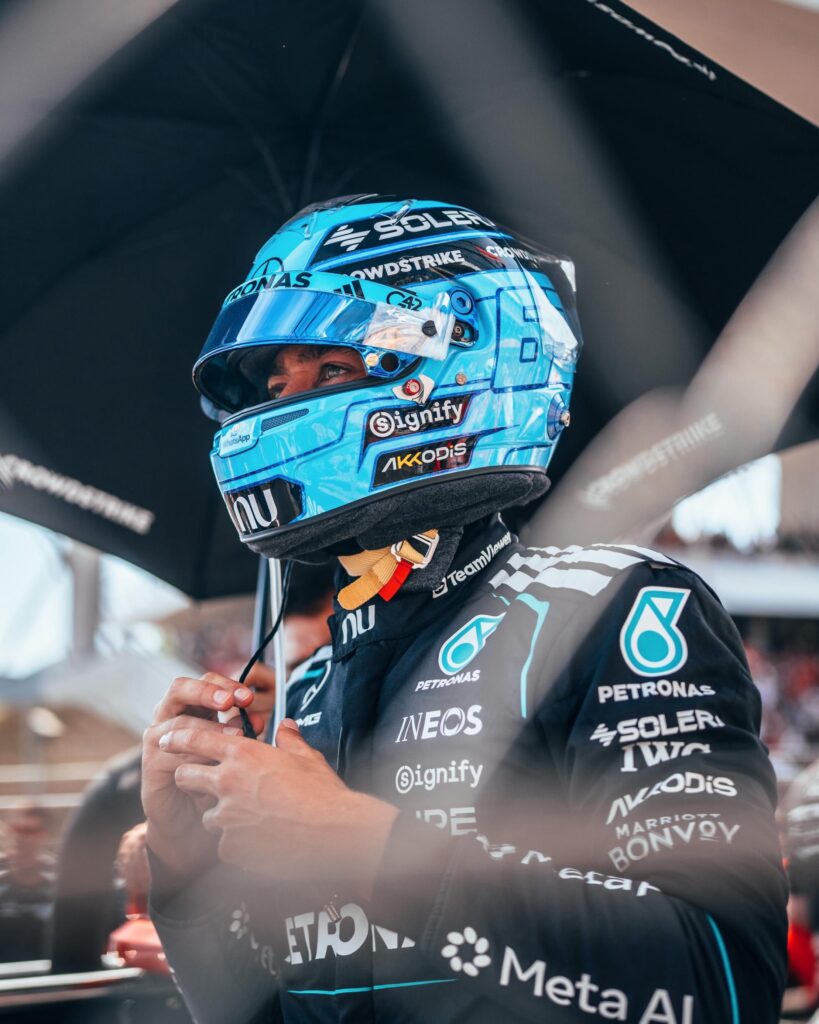
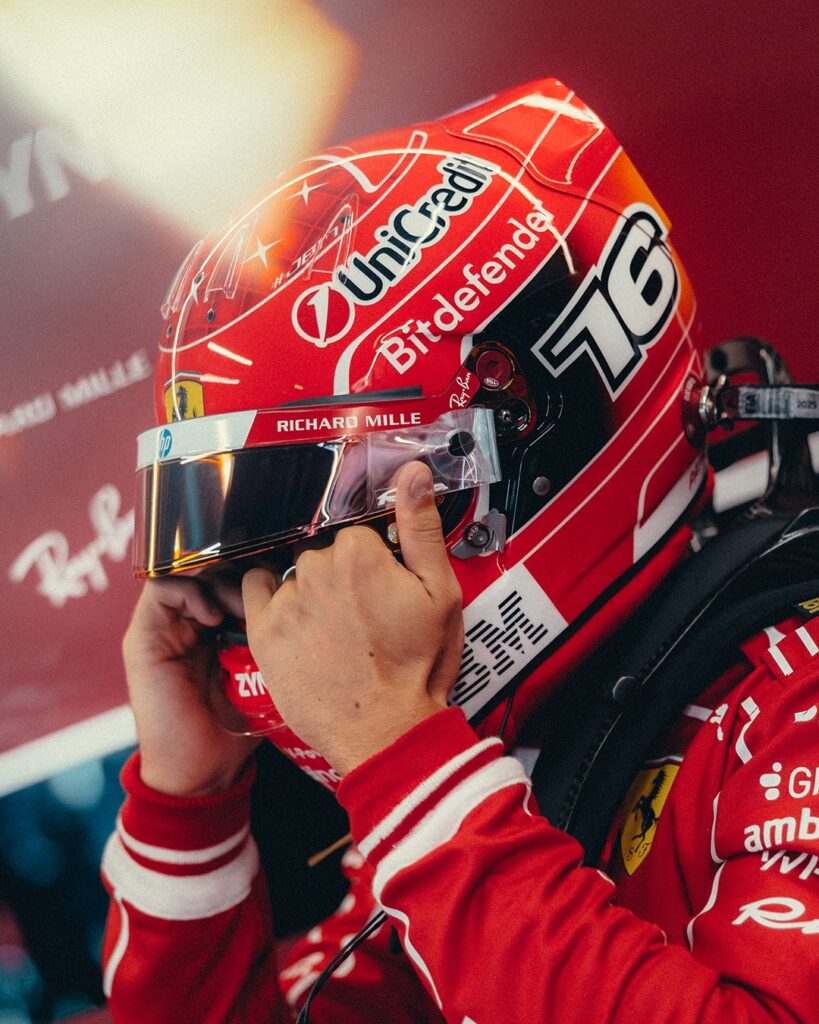
From the opening minutes of Q1, the camera work leaned heavily into helmet close-ups. The official broadcast team has clearly understood what audiences want: pit-lane shots framed around the crown of the helmet, slow pans across visor strips, and onboard angles that turn each driver’s lid into the visual centerpiece of the cockpit. For anyone who curates a shelf of exhibition-quality replicas at home, these are exactly the reference frames that matter.
The session itself unfolded in three crisp segments, with weather stable and track evolution aggressive. By the time Q3 began, the grid had distilled itself into a familiar group of front-runners, each carrying a helmet design that, even rendered virtually, would translate beautifully into a display-piece replica.
Why Sim Qualifying Has Become a Collector’s Reference
It is worth pausing on a point that the helmet collecting community has discussed more and more this season: the F1 Sim Racing World Championship has become an unexpectedly rich visual library. The rendering quality of helmet textures — carbon weave, matte panels, metallic flake, decal layering — is now precise enough that a freeze-frame from qualifying can serve as a legitimate reference image when assessing the accuracy of a 1:1 collector replica.
That is not a small thing. For years, helmet enthusiasts have relied on a narrow mix of pit-lane photography and team press shots. The sim broadcast adds a new angle: clean lighting, predictable camera positions, and the ability to see the same helmet rotated through dozens of frames across a single session.
Q1: The First Wave of Helmet Eye-Candy
The opening segment is always a buffet for the visual-minded viewer. With twenty cars on track and the broadcast cutting rapidly between garages, Q1 of Round 9 served up a parade of helmet designs in just over eighteen minutes. The midfield and back-of-grid drivers — often overlooked in race coverage — got their share of screen time, and that is where some of the most interesting designs surfaced.
Several drivers continued to run special or evolved liveries carried over from earlier rounds, while others appeared with subtly refreshed graphics. The detail work on chin bars and rear quarters, in particular, rewarded a second look. For a collector evaluating which designs would translate best into a full-size 1:1 display replica, Q1 was effectively a casting call.
Graphic Trends Visible on the Grid
Three visual trends stood out as the cameras worked their way down the field:
- High-contrast crown blocks — large flat color fields on the top of the helmet, designed to read clearly from broadcast helicopter and overhead angles.
- Metallic accent lines tracing the spine of the helmet from front to rear, which catch pit-lane light and create a moving highlight in onboard footage.
- Personal iconography on the side pods of the helmet — initials, numbers, family crests and personal motifs that give each lid its identity.
Every one of these design choices is exactly what makes a helmet desirable as a collector display piece. The same elements that read well on a broadcast camera also read well on a lit shelf at home.
Q2: The Field Sharpens, the Designs Stand Out
By Q2, the visual noise of the full grid had been trimmed down to fifteen cars, and the broadcast tightened its focus accordingly. This is the segment where the genuine front-runners separate from the optimistic, and where the helmet designs of the top ten really begin to dominate the screen.
Several drivers used Q2 as their opportunity to bank a lap and conserve tires for Q3, while others pushed hard, knowing that elimination here would compromise their entire weekend. The resulting tension produced a series of garage shots, helmet-on moments and visor-down close-ups that any collector would happily pause and screenshot.
Reading a Helmet Like a Collector
When you have spent any time around full-size 1:1 display replicas, you start to see helmets the way a watchmaker sees a dial. You notice the weight of the paint edges, the gloss differential between matte black and gloss black panels, the way a decal sits proud of the shell or flush with it. Round 9 qualifying offered plenty to examine in this regard.
The leading designs all shared a few qualities that mark out a great display helmet:
- Clean, uninterrupted lines that read instantly at a distance.
- Layered detail that rewards close inspection — small text, sponsor blocks, subtle gradients.
- A coherent color story that ties the helmet to the car livery without being a literal copy of it.
These are exactly the qualities collectors look for when choosing which 1:1 replica to add to a shelf. A great helmet works at three meters and at thirty centimeters.
Q3: The Pole Shootout and the Podium-Ready Visuals
Q3 is the showpiece, and Round 9 did not disappoint. Ten drivers, two runs each, and a broadcast team determined to capture every helmet from every angle before the visor came down for the final flying lap. The lighting on the virtual circuit was set just right — long shadows on the pit lane, glare on the visor strips, and clean reflections on the gloss panels.
The pole battle itself came down to fractions, with several drivers separated by less than a tenth across the final runs. But for the helmet-focused viewer, the real story was in the slow-motion replays. The broadcast lingered on cockpit shots, on helmet-and-halo framing, on the moment of the visor lifting in parc fermé.
The Top Three: A Display Case in Motion
The provisional top three locking out the front rows produced a visual lineup that would not look out of place in a curated exhibition. Each of the three lead helmets carried a strong, distinct identity:
- A primary-color-driven design with bold flag elements, instantly recognizable from any angle.
- A darker, more graphic-led helmet with metallic accents that catch every available light source.
- A heritage-inflected design referencing classic motorsport color palettes, the kind of lid that fits naturally next to vintage replicas on a shelf.
Place three full-size 1:1 collector replicas of those designs side by side on a display, and you have a centerpiece that tells the story of an entire qualifying session in a single glance.
Display Lessons from Round 9 Qualifying
What this round reinforced, more than any specific lap time, is how integral helmet design has become to the visual identity of modern Formula 1 — including in its sim championship form. For anyone building a collection of exhibition-quality 1:1 display replicas, sessions like this one are an education.
Curating a Shelf Inspired by a Single Qualifying
If a collector wanted to build a display inspired purely by Round 9 qualifying, the approach would be straightforward:
- Start with the pole-sitter’s design as the visual anchor — the brightest, boldest helmet at the center of the shelf.
- Flank it with the second and third designs, ideally chosen so that color palettes complement rather than clash.
- Add one or two midfield helmets with personal iconography to give the display narrative depth and individuality.
- Light the display with warm, directional lighting that mimics the broadcast pit-lane look — this is what makes gloss panels and metallic flake come alive.
Lighting and Placement
Even the most beautiful 1:1 replica can fall flat under harsh overhead lighting. The same principles that make a sim broadcast helmet shot look cinematic apply at home: angled light, controlled reflections, and a neutral background that lets the helmet’s color story speak for itself. Round 9 qualifying was, in essence, a free masterclass in how to present a helmet for maximum visual impact.
Looking Ahead: From Qualifying Visuals to Race-Day Frames
Qualifying always sets the visual tone for race day. With the front rows locked in and the helmet designs of the leading drivers now firmly established in viewers’ minds, the race itself will provide a fresh wave of frames — podium close-ups, parc fermé moments, and the inevitable celebratory helmet-off shots that have become a signature of the modern broadcast.
For collectors of full-size 1:1 display replicas, these are the moments to bookmark. Each one is a reference point, a confirmation of color, of decal placement, of finish. The F1 Sim Racing World Championship, in its own way, has become as valuable a visual archive as the real-world calendar — and Round 9 qualifying just added another rich chapter to it.
As the championship moves toward its closing rounds, expect more of these display-worthy moments. The drivers know the cameras are on them. The teams know the helmet design is part of the brand. And the collectors, watching from home, know exactly which frames to pause on.
“A great helmet design works at three meters and at thirty centimeters. Round 9 qualifying gave us several of both.”
— 123Helmets editorial desk
FAQ
Q: Why focus on helmet design in a sim racing qualifying recap?
Because the F1 Sim Racing World Championship broadcast has become an unusually rich visual reference for helmet liveries. The rendering quality and camera work make each session a useful library for collectors of full-size 1:1 display replicas.
Q: Are sim-rendered helmets accurate enough to inform collector decisions?
Increasingly yes. While nothing replaces real-world photography, the current generation of sim graphics captures color, decal placement and finish at a level that supports visual comparison with 1:1 collector replicas intended for display.
Q: Which Round 9 helmets stood out most for display purposes?
The top three from Q3 each offered a distinct identity — a bold primary-color design, a darker graphic-led lid, and a heritage-inflected palette. Together they would form a compelling three-helmet display centerpiece.
Q: How should I light a 1:1 display replica at home?
Use warm, directional lighting positioned slightly above and to the side, with a neutral background. This mimics broadcast pit-lane lighting and brings out gloss panels, metallic flake and decal detail without harsh glare.
Q: Are the helmets sold on 123Helmets.com for actual use on track or road?
No. Every helmet offered is a full-size 1:1 display and collector replica, intended purely as an exhibition piece. They are not certified for protective use of any kind.
Browse F1 Helmet Collection
Display and collector replicas only. Not certified for protective use. Full-size 1:1 scale.
This article was written with the help of AI tools. Editorial policy