- Keke Rosberg
- Nigel Mansell
- Jenson Button
- Nico Rosberg
- Gilles Villeneuve
- Mika Hakkinen
- Jackie Stewart
- Mika Salo
- Emerson Fittipaldi
- Charles Leclerc
- Lewis Hamilton
- Max Verstappen
- Lando Norris
- Ayrton Senna
- Michael Schumacher
- Fernando Alonso
- Oscar Piastri
- George Russell
- Kimi Antonelli
- Nico Hülkenberg
- Gabriel Bortoleto
- Pierre Gasly
- Franco Colapinto
- Carlos Sainz
- Oliver Bearman
- Sergio Pérez
- Valtteri Bottas
- Isack Hadjar
- Alain Prost
- James Hunt
Komatsu: 2026 F1 Rules Blur True Driver Performance
Posted by
 123Helmets Editorial Team
123Helmets Editorial Team
F1 2026 Regulations
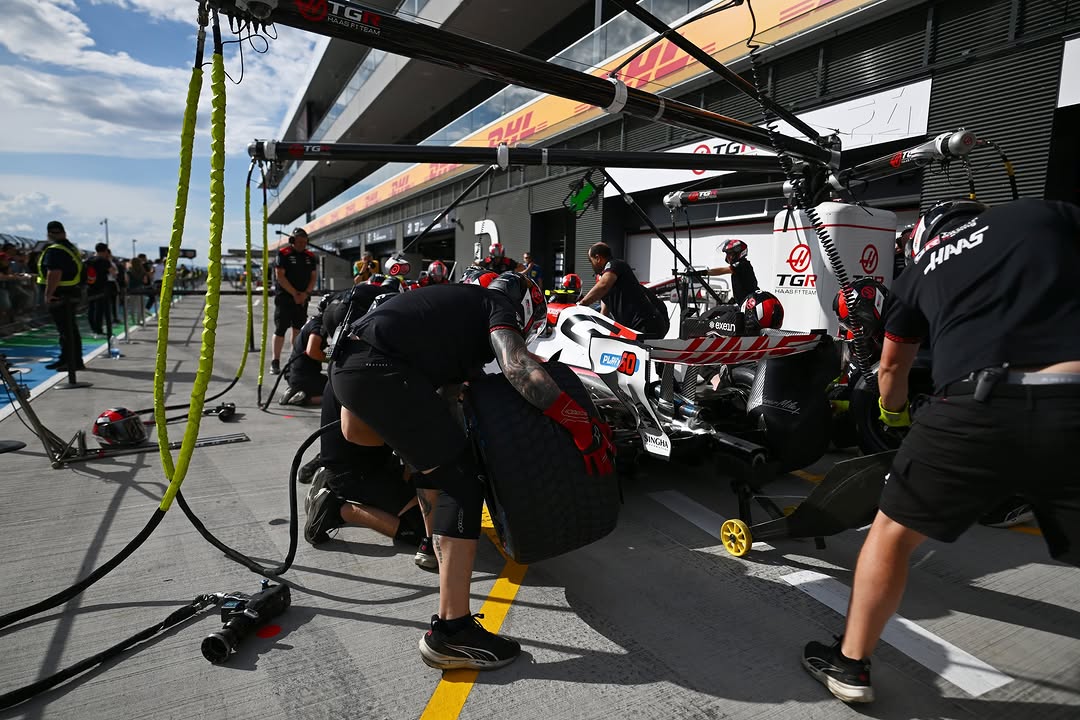
Haas team boss Ayao Komatsu says Formula 1’s 2026 technical rules are making it harder for fans to judge genuine driver performance, after the British and Belgian Grand Prix weekends reignited concerns first raised before the Miami Grand Prix.
Key Takeaways
Ayao Komatsu says the 2026 F1 rules are ‘too complicated’ and need simplifying to put control back with the drivers.
Small throttle and energy deployment differences on long straights at Silverstone and Spa-Francorchamps translated into multiple tenths of a second per lap.
Pre-Miami Grand Prix changes to energy harvesting and deployment addressed some concerns but only within the limits of current hardware.
Komatsu’s comments, made to media in Hungary, point to a gradual rather than immediate fix for the 2026 regulations.
Why Fans Can’t Get a True Picture of Driver Performance
Fans are struggling to tell genuine driving skill apart from software and energy management under F1’s 2026 rules, according to Haas team boss Ayao Komatsu. The 2026 regulations introduced a near-50:50 split between electrical deployment and internal combustion engine power, and that balance has become the central talking point of the season as small technical differences between drivers in identical machinery translate into visible gaps on track.
Concerns about this effect are not new. They surfaced before the Miami Grand Prix and were partly addressed through mid-season technical changes, but they resurfaced after two successive race weekends at what have been described as ‘energy-starved’ venues. The core issue, as Komatsu frames it, is transparency: whether spectators can actually see and understand what separates one driver from another when so much of the lap time now depends on how energy is harvested and deployed rather than on visible car control alone.
Silverstone and Spa-Francorchamps Expose the Software Gap
The British and Belgian Grand Prix weekends amplified the consequences of small differences in driving technique because of the layout of Silverstone and Spa-Francorchamps. Both circuits feature long straights, and on tracks like these, fractional differences in throttle position produced multiple tenths of a second in overall lap time, since some drivers had less energy deployment available on the run to the next braking zone.
That is a meaningful swing in a sport where qualifying sessions and race battles are routinely decided by fractions of a second. The effect is magnified specifically at high-speed, low-downforce tracks, which is why the complaints resurfaced so strongly after Silverstone and Spa-Francorchamps rather than at shorter, more technical circuits where mechanical grip and braking play a bigger role than straight-line energy deployment.
This has pushed the paddock into a deeper conversation about where and how drivers should be adapting their inputs, and whether the software governing power application is transparent enough for anyone outside the garage — including fans watching from the stands or on television — to actually follow.
The Miami Grand Prix Fix Only Solved Part of the Problem
Technical changes introduced ahead of the Miami Grand Prix reduced some of the complaints about the 2026 format by adjusting how much energy could be harvested and deployed around a lap. That intervention represented close to the maximum that could be achieved with the current hardware in place, meaning it eased the symptoms without resolving the underlying issue.
The renewed concerns after the British and Belgian Grand Prix weekends confirm that the Miami-era adjustments were a partial answer rather than a permanent one. Any further change to how energy deployment is managed across a lap will require harder engineering work rather than simple recalibration, which is why Komatsu and others in the paddock are describing the path forward as gradual rather than immediate.
Ayao Komatsu’s Case for Simplifying F1’s 2026 Rules
Ayao Komatsu argues the sport should simplify the 2026 rules so that lap time reflects driving skill rather than secondary software effects. Speaking to media including Autosport in Hungary, the Haas team boss set out his view plainly.
“Honestly, I think we’re trying to simplify the sport. I think currently it’s just too complicated.”
Komatsu went further, pointing to how minor operational differences between drivers can produce outcomes nobody intended or planned for at the design stage of the regulations.
“Like a tiny detail of the driver operation difference that have either unintended or secondary consequences is, I think, something we all identified the need to avoid and improve as a sport. To bring the control back to the driver.”
His closing point was about accessibility for the audience rather than just the competitors on track.
“And also just to simplify for everyone. I think it’s very important everyone understands the sport.”
What It Means for Fans, Drivers and the Rest of the 2026 Season
The practical effect of this debate is that F1 now has to weigh technical ambition against clarity for the people watching the sport. The 2026 rules were built around a near-50:50 electrical-to-combustion power split specifically to push the sport toward more sustainable engine technology, but Silverstone and Spa-Francorchamps showed that the same system can obscure who is actually driving better on a given weekend.
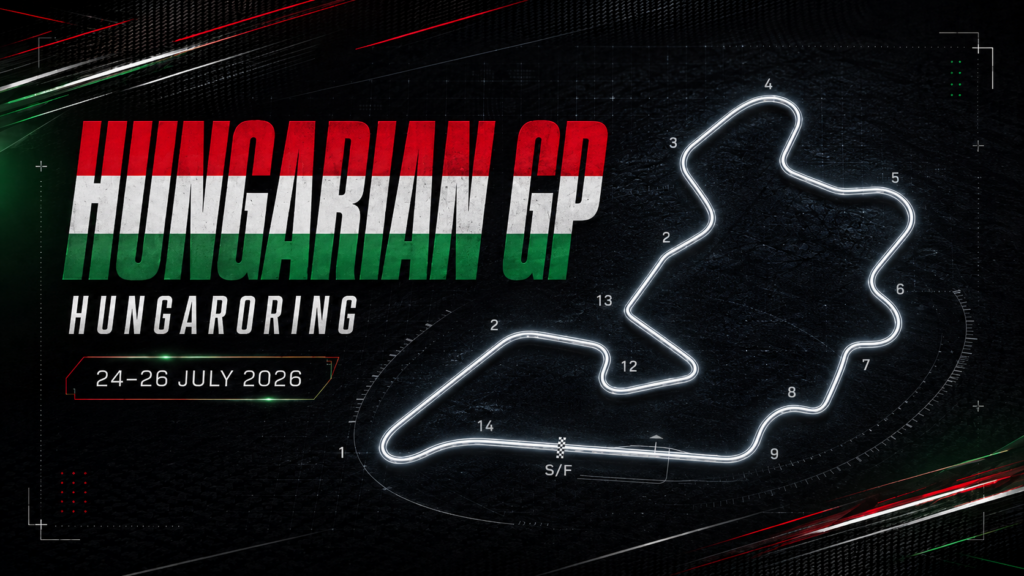
Komatsu’s remarks, delivered at the Hungarian Grand Prix weekend, suggest the paddock broadly agrees that adjustment is needed but accepts it will not happen overnight. With the current hardware already stretched close to its limits by the pre-Miami changes, any further simplification is likely to be phased in across future seasons rather than applied mid-year. For fans trying to read performance gaps from the outside, that means the picture painted by lap times and sector deltas will remain harder to interpret than in previous eras for some time yet.
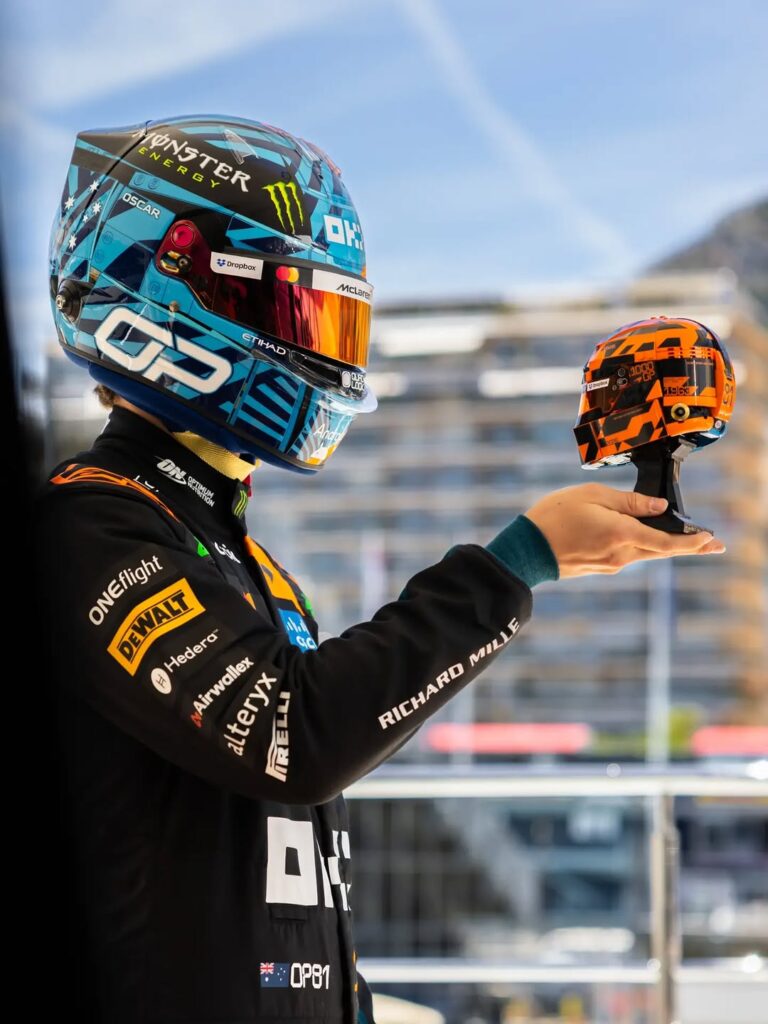
Every driver caught up in this conversation still turns up to the grid in a helmet that fans recognise long before they parse a telemetry trace, and interest in those liveries has not slowed even as the on-track technical debate continues.
“Honestly, I think we’re trying to simplify the sport. I think currently it’s just too complicated.”
— Ayao Komatsu, Haas Team Principal
“A tiny detail of the driver operation difference that have either unintended or secondary consequences is something we all identified the need to avoid and improve as a sport, to bring the control back to the driver.”
— Ayao Komatsu, Haas Team Principal
FAQ
Q: Why do fans struggle to judge driver performance under the 2026 F1 rules?
Because the near-50:50 split between electrical deployment and internal combustion power means small differences in throttle technique can produce multiple tenths of a second in lap time, making it hard to separate genuine skill from energy management on tracks like Silverstone and Spa-Francorchamps.
Q: What did Ayao Komatsu say about the 2026 F1 regulations?
Ayao Komatsu, Haas team boss, told media in Hungary that the sport is ‘too complicated’ currently and that F1 needs to simplify the rules to bring control back to the driver and make the sport easier for everyone to understand.
Q: Did the Miami Grand Prix technical changes fix the problem?
Only partially. The pre-Miami Grand Prix adjustments to energy harvesting and deployment represented close to the maximum achievable with current hardware, but concerns resurfaced after the British and Belgian Grand Prix weekends.
Q: Which circuits highlighted the driver performance concerns most?
Silverstone and Spa-Francorchamps, both host to the British and Belgian Grand Prix, because their long straights amplify the effect of small throttle and energy deployment differences between drivers.
Q: Is a fix to the 2026 F1 rules expected soon?
Not immediately. Ayao Komatsu’s comments indicate the paddock sees simplification as necessary but gradual, since current hardware is already close to its limits following the pre-Miami changes.
Shop Haas Helmets
Display and collector replicas only. Not certified for protective use. Full-size 1:1 scale.