- Keke Rosberg
- Nigel Mansell
- Jenson Button
- Nico Rosberg
- Gilles Villeneuve
- Mika Hakkinen
- Jackie Stewart
- Mika Salo
- Emerson Fittipaldi
- Charles Leclerc
- Lewis Hamilton
- Max Verstappen
- Lando Norris
- Ayrton Senna
- Michael Schumacher
- Fernando Alonso
- Oscar Piastri
- George Russell
- Kimi Antonelli
- Nico Hülkenberg
- Gabriel Bortoleto
- Pierre Gasly
- Franco Colapinto
- Carlos Sainz
- Oliver Bearman
- Sergio Pérez
- Valtteri Bottas
- Isack Hadjar
- Alain Prost
- James Hunt
Sainz’s 5-Second Penalty for Piastri Clash Explained
Posted by
 123Helmets Editorial Team
123Helmets Editorial Team
Hungarian Grand Prix 2026
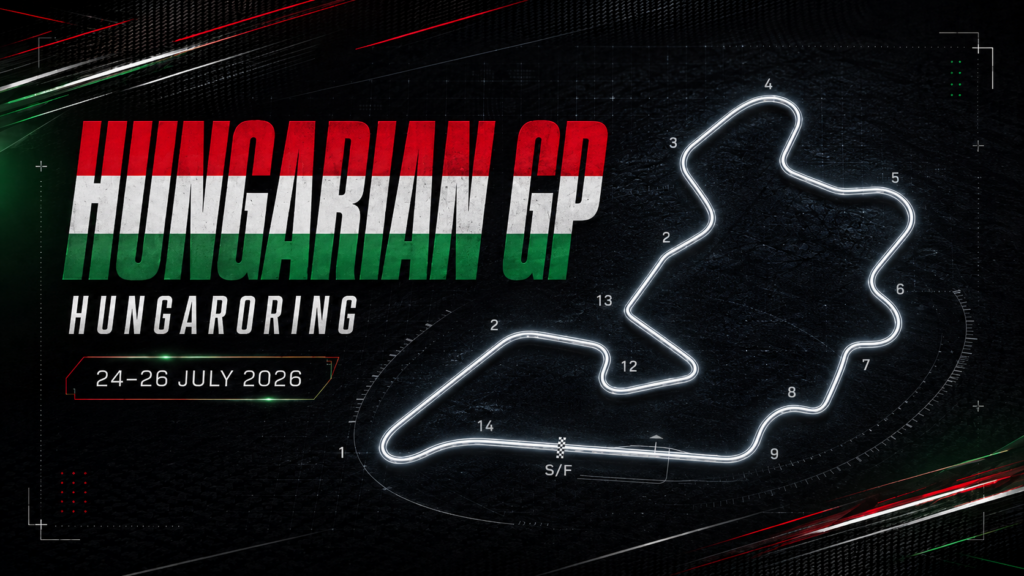
Formula 1 stewards handed Carlos Sainz a five-second time penalty rather than the standard ten seconds for his lap 38 collision with Oscar Piastri at the 2026 Hungarian Grand Prix, citing a visibility mitigating factor even as the contact helped cost Piastri the race lead to Lando Norris.
Key Takeaways
Stewards ruled Carlos Sainz ‘wholly responsible’ for the lap 38 collision with Oscar Piastri but reduced the penalty from the standard 10 seconds to 5 seconds.
The mitigating factor cited was that Piastri was not visible to Sainz in his mirrors as the McLaren attempted to pass into Turn 3.
Blue flag signalling problems during the race meant Sainz had only been told verbally by his team that Piastri was approaching.
Piastri continued without damage but the contact contributed to him losing the race lead to Lando Norris.
What Happened on Lap 38
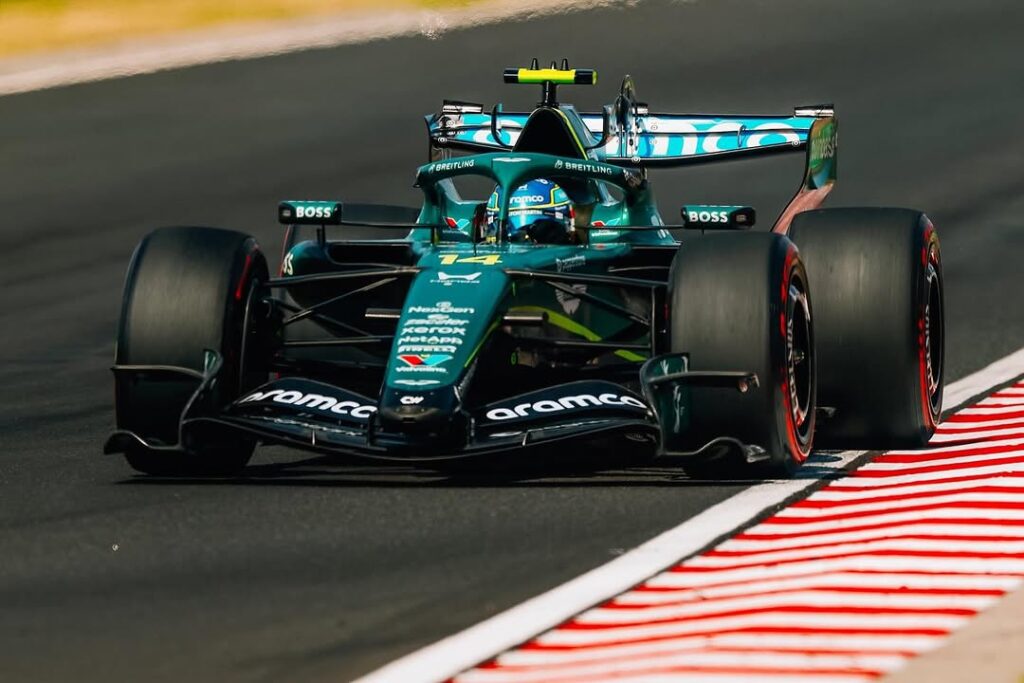
Carlos Sainz made contact with Oscar Piastri at Turn 3 while attempting to hold off a lapping move from the McLaren driver during the 2026 Hungarian Grand Prix. At the time, Sainz, driving for Williams, was locked in his own battle with Fernando Alonso when Piastri, then leading the race for McLaren, arrived to unlap himself. As Piastri went for the overtake, the two cars made contact, sending a shudder through the leading pack in Budapest.
Piastri was able to continue racing without visible damage, a fortunate outcome given the closing speeds involved on lap 38. But the moment cost him time and track position at a stage of the race when every tenth mattered for the lead fight.
Why Stewards Only Gave Five Seconds
The stewards reduced the penalty from the standard 10 seconds to 5 seconds because Piastri was not visible to Sainz in his mirrors immediately before the attempted pass. In their official statement, the stewards said that “the positioning of the other car relative to the circuit and the other cars meant that the other car was not visible to the driver of the other car prior to the attempted overtake” — in other words, Sainz simply could not see Piastri’s McLaren as it arrived on his inside line.
Despite that, the stewards were unambiguous that Sainz carried full responsibility for the collision. The reduced penalty reflected the circumstances of the incident, not a lesser degree of blame. A standard causing-a-collision penalty in Formula 1 is 10 seconds; the panel’s decision to cut that in half made this one of the more debated rulings of the 2026 season so far.
The Blue Flag Confusion
Blue flag signalling problems during the Hungarian Grand Prix meant several drivers did not receive clear track signals in the closing stages of the opening stint. Sainz had been told by his Williams engineers over team radio that blue flags were being shown for the approaching Piastri, but that verbal warning was not the same as a clear visual cue on track or in his mirrors.
The stewards weighed this system failure alongside the mirror-visibility issue when settling on the five-second penalty. It is a reminder that even with modern radio communication, split-second awareness at 300 km/h still depends on what a driver can physically see through his visor in the instant before contact.
Impact on the Race: Piastri Loses the Lead to Norris
Piastri’s lap 38 collision contributed to him losing the race lead to his own teammate, Lando Norris. Piastri had controlled the opening phase of the Hungarian Grand Prix from the front, but the time lost negotiating the contact with Sainz and its aftermath opened a window for Norris to close in and eventually take over at the front for McLaren.
For a driver who had built a clean lead earlier in the race, the swing was significant. A five-second penalty for Sainz did little to restore the seconds Piastri had already lost navigating around a Williams that never saw him coming.
Podium Visuals: Helmet and Livery Moments Worth Collecting
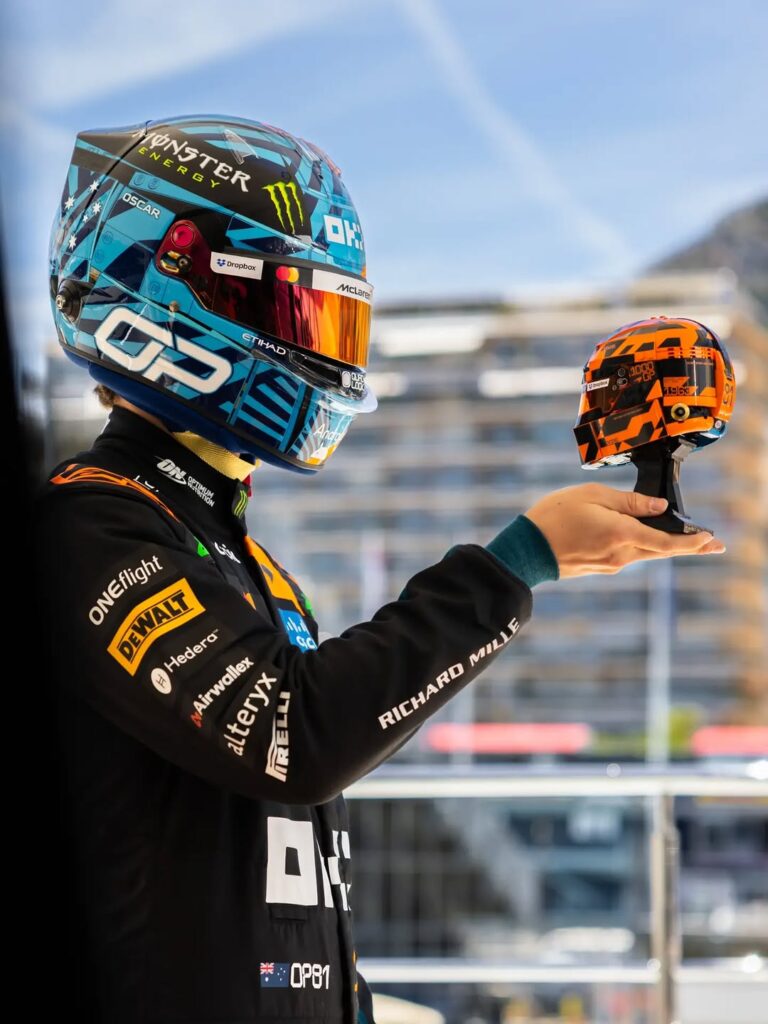
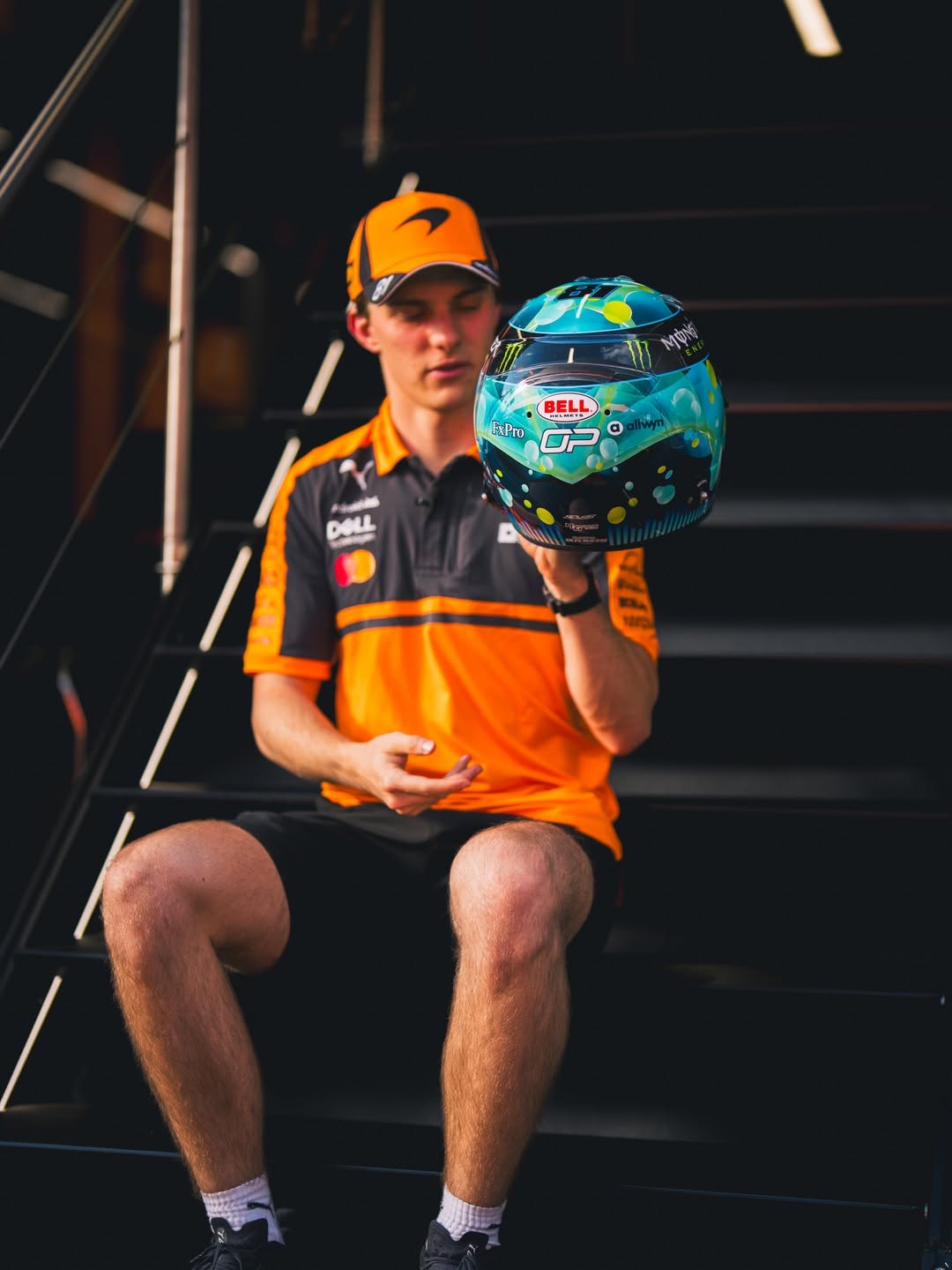
The Hungarian Grand Prix weekend produced strong visual moments even before the podium ceremony, from Piastri’s 2026-spec helmet catching the Budapest sun on the formation lap to the closing battle between orange-accented McLaren machinery and Sainz’s Williams livery through Turn 3. Race weekends like this one, where a title contender’s helmet design is on screen through a contentious late-race incident, are exactly the moments that make a season’s graphics memorable.
For fans who want that Hungarian Grand Prix chapter on a shelf rather than just a highlight reel, a full-size 1:1 replica of Piastri’s race helmet captures the design worn through this exact lead fight — a display piece built around the same livery details broadcast during the collision and the laps that followed.
What This Means Going Forward
The Sainz-Piastri ruling sets a precedent for how stewards will treat contact caused by blindspot visibility rather than a straightforward misjudged overtake. Teams and drivers will now factor in that a documented mirror-visibility issue, combined with signalling failures such as the blue flag problems seen in Hungary, can meaningfully reduce a penalty even when full responsibility for a collision is assigned.
For Piastri and McLaren, the bigger consequence is the championship math: losing the lead to a teammate in the same race narrows any points cushion built earlier in the season. Expect the stewards’ reasoning in this case to be referenced again the next time a lapped car makes contact with a leader who was not clearly visible.
“The Stewards determined that the driver of the other car was wholly responsible for the collision with the other car. While the standard penalty for causing a collision is a 10-second time penalty, the Stewards identified a mitigating factor.”
— FIA Hungarian Grand Prix stewards’ statement
“At the point of the incident, the positioning of the other car relative to the circuit and the other cars meant that the other car was not visible to the driver of the other car prior to the attempted overtake.”
— FIA Hungarian Grand Prix stewards’ statement
FAQ
Q: Why did Carlos Sainz only get a five-second penalty for hitting Piastri?
Stewards reduced the standard 10-second penalty to five seconds because Oscar Piastri was not visible to Sainz in his mirrors as the McLaren attempted to pass into Turn 3 during the 2026 Hungarian Grand Prix, a mitigating factor cited directly in the stewards’ statement.
Q: What lap did the Sainz-Piastri collision happen on?
The contact occurred on lap 38 of the Hungarian Grand Prix, as Carlos Sainz, driving for Williams, was being lapped by race leader Oscar Piastri approaching Turn 3.
Q: Did Oscar Piastri lose the race lead because of the collision?
Yes, the incident contributed to Piastri losing the lead to his McLaren teammate Lando Norris later in the Hungarian Grand Prix, even though Piastri’s car sustained no visible damage from the contact.
Q: What is the standard F1 penalty for causing a collision?
The standard penalty for causing a collision under FIA stewarding practice is 10 seconds, which was reduced to 5 seconds in Sainz’s case due to the documented mirror-visibility issue.
Q: Was blue flag signalling a factor in the Hungarian Grand Prix incident?
Yes, blue flag signalling problems meant Sainz was informed of Piastri’s approach only by team radio rather than a clear on-track signal, a detail the stewards factored into their penalty decision.
Shop Oscar Piastri Collection
Display and collector replicas only. Not certified for protective use. Full-size 1:1 scale.