Blog
Racing Bulls Austrian GP 2026 Helmet Reveal
 123Helmets Editorial Team
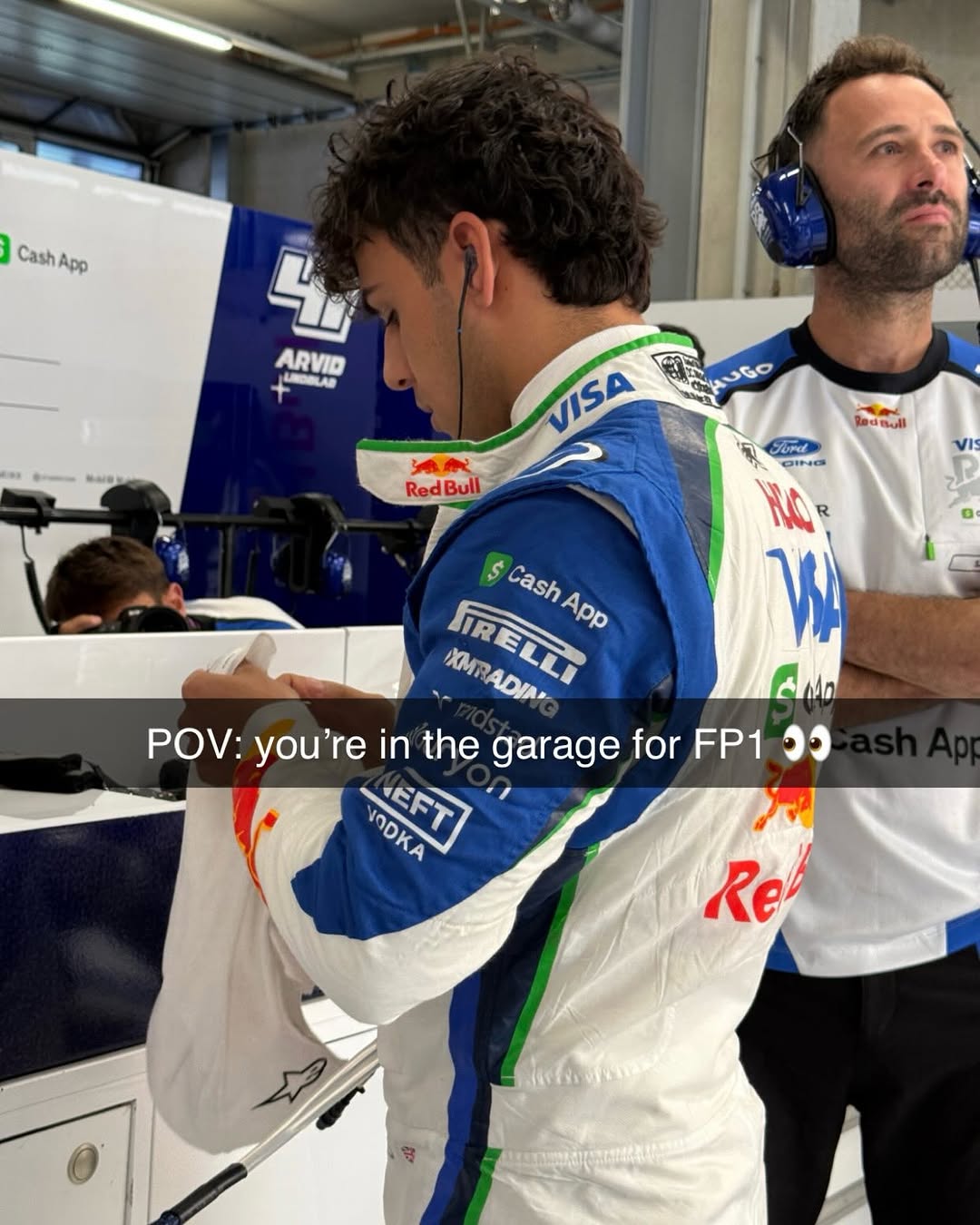
The Racing Bulls garage at the 2026 Austrian Grand Prix delivered two standout helmet reveals straight from the pit lane floor — raw, unfiltered, and shot in the Spielberg heat. Here is a full collector-focused breakdown of what those lids mean for your display shelf.
Key Takeaways
Two distinct Racing Bulls helmet designs appeared in the garage at the 2026 Austrian Grand Prix, both confirmed stunning by the team’s own pit-lane social post.
The Spielberg paddock setting — intense summer heat, tight garage quarters — gave collectors a rare close-up look at livery detail rarely visible from grandstand or broadcast angles.
Full-size 1:1 display replicas of Racing Bulls Austrian GP helmets capture every graphic layer and finish at exact race-day proportions.
The garage-dump photo format, five images shot casually on a phone, has become one of the most trusted livery-reveal channels for helmet collectors tracking seasonal designs.
Two Helmets, One Hot Garage: The Austrian GP Reveal
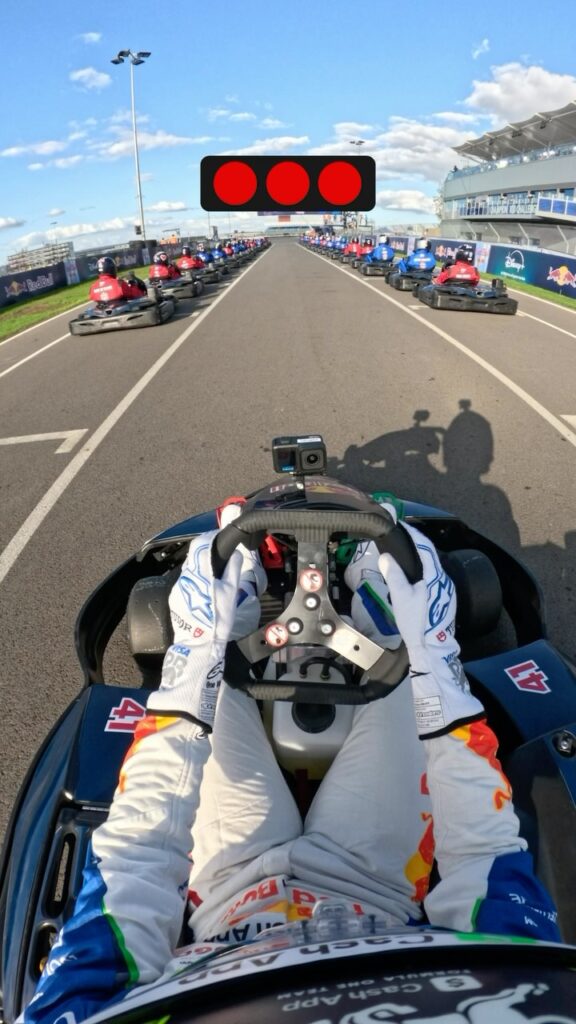
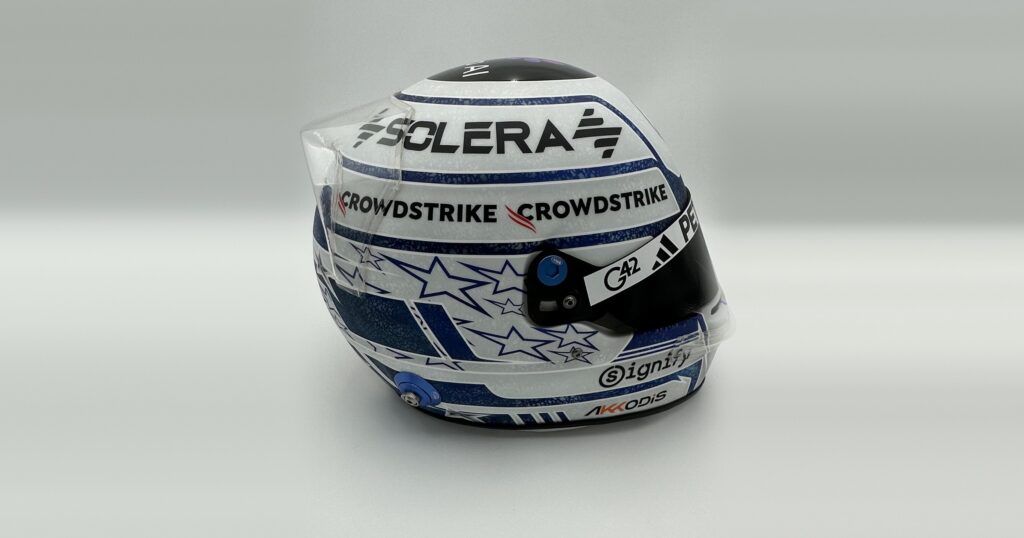
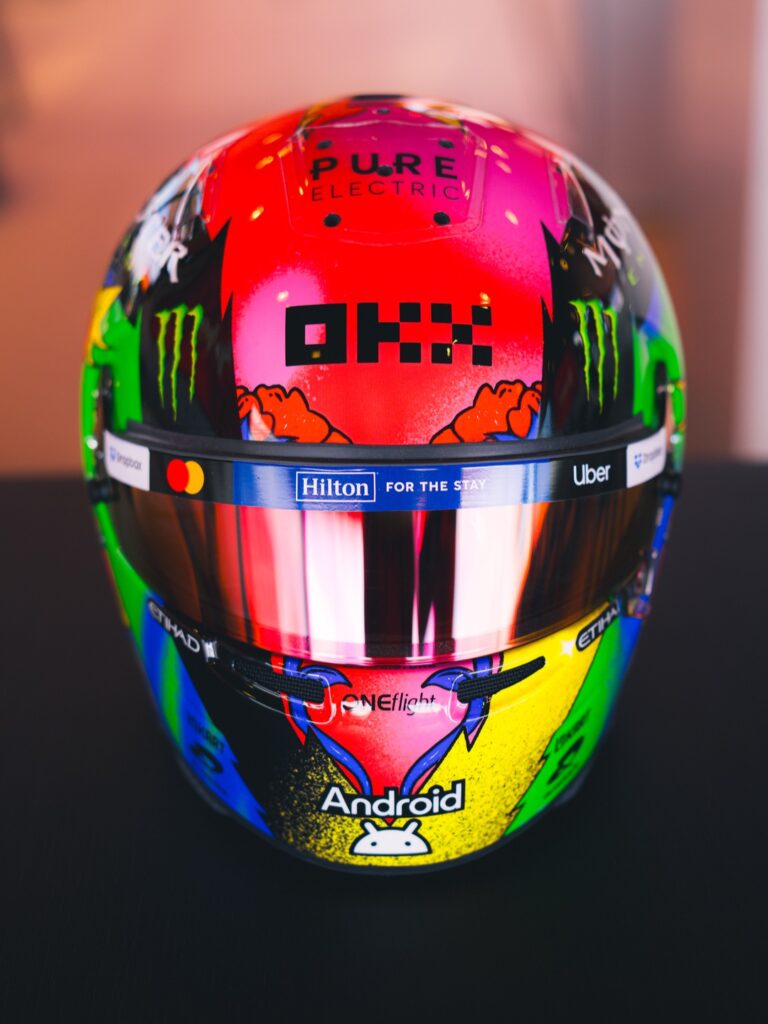
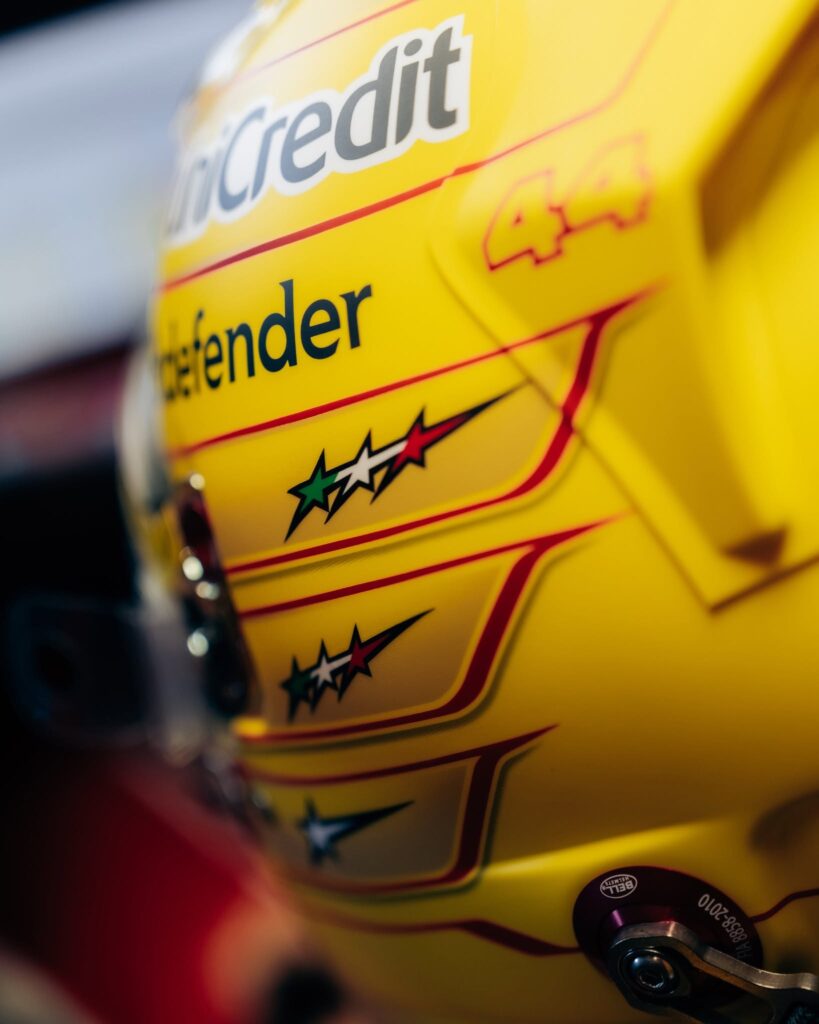
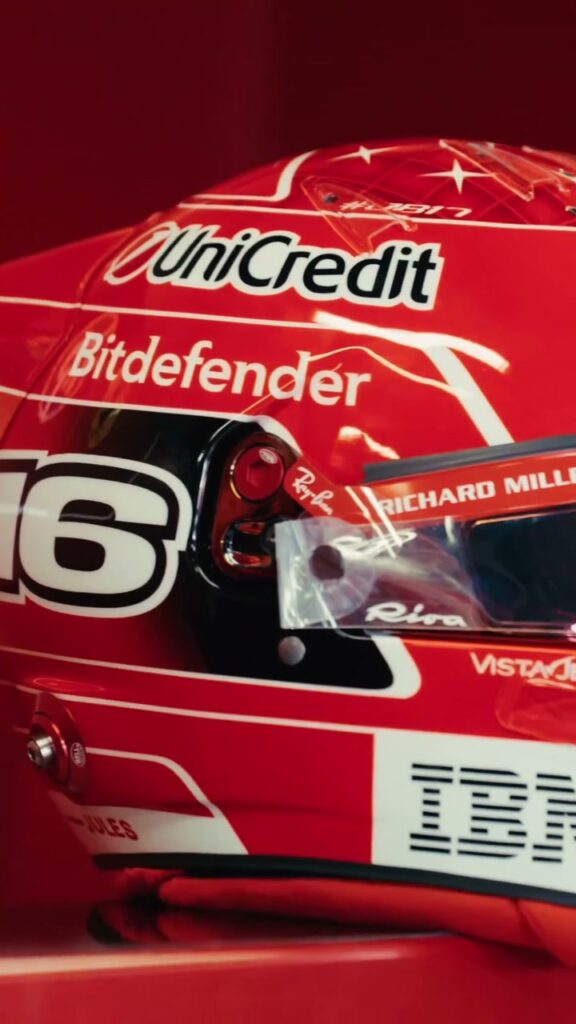
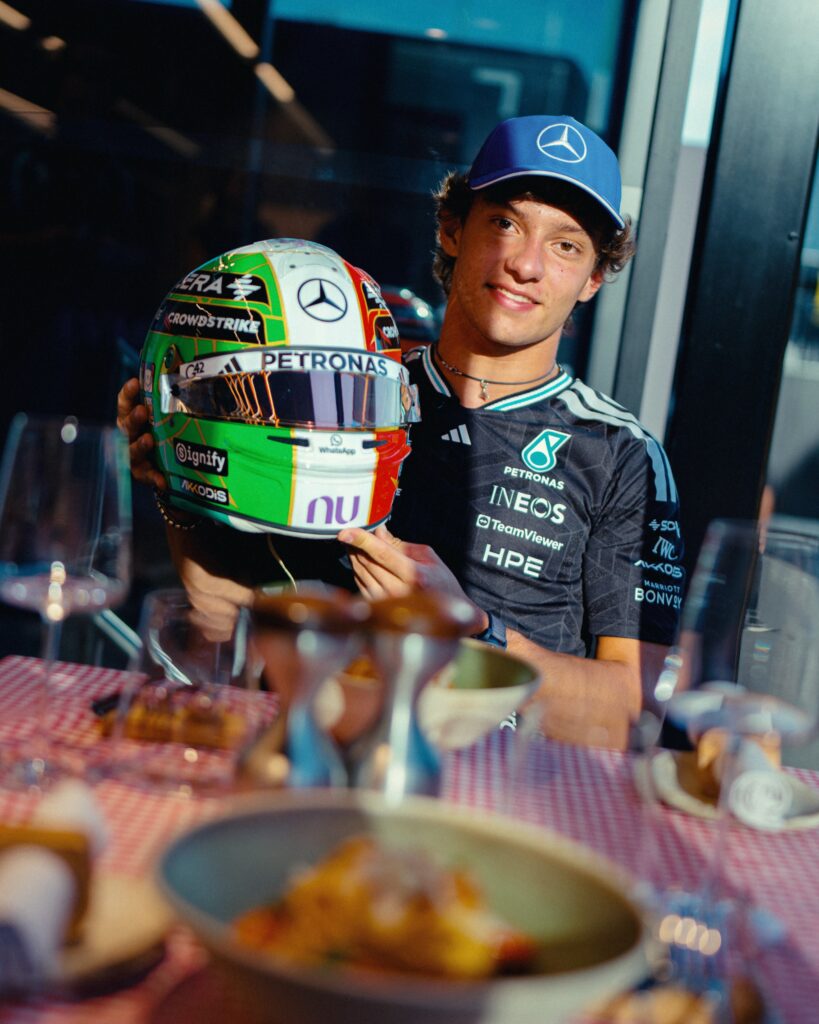
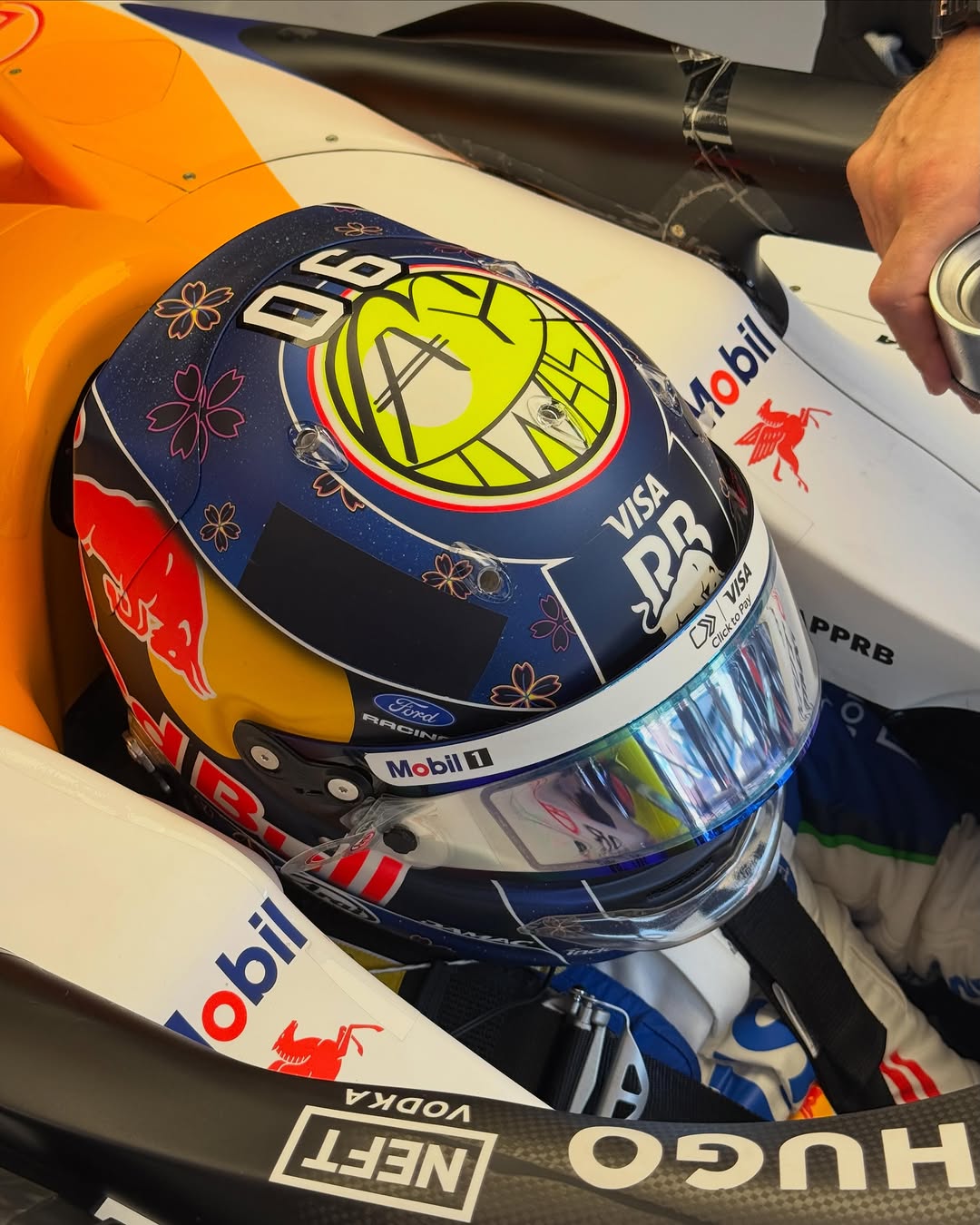
Racing Bulls brought at least two visually distinct helmet designs to the 2026 Austrian Grand Prix at Red Bull Ring, Spielberg — and the team posted the reveal as a casual five-image garage dump on June 26, 2026. The format was deliberate in its informality: phone camera, pit-lane floor, natural summer light, no studio gloss. That rawness is exactly what makes it useful for collectors. You see the helmets the way a mechanic sees them — resting on a shelf or a driver’s seat, at arm’s length, every graphic edge sharp and unretouched.
The caption tagged both #F1 and #VCARB, tying the reveal directly to the Racing Bulls 2026 entry. The Austrian GP falls on the race calendar as one of the shorter circuits on the schedule — Red Bull Ring measures 4.318 km per lap — meaning the helmet liveries spend a lot of time in close television coverage through the tight sequence of corners. Design choices that read well at speed in that arena are the same ones that hold up at 1:1 display scale.
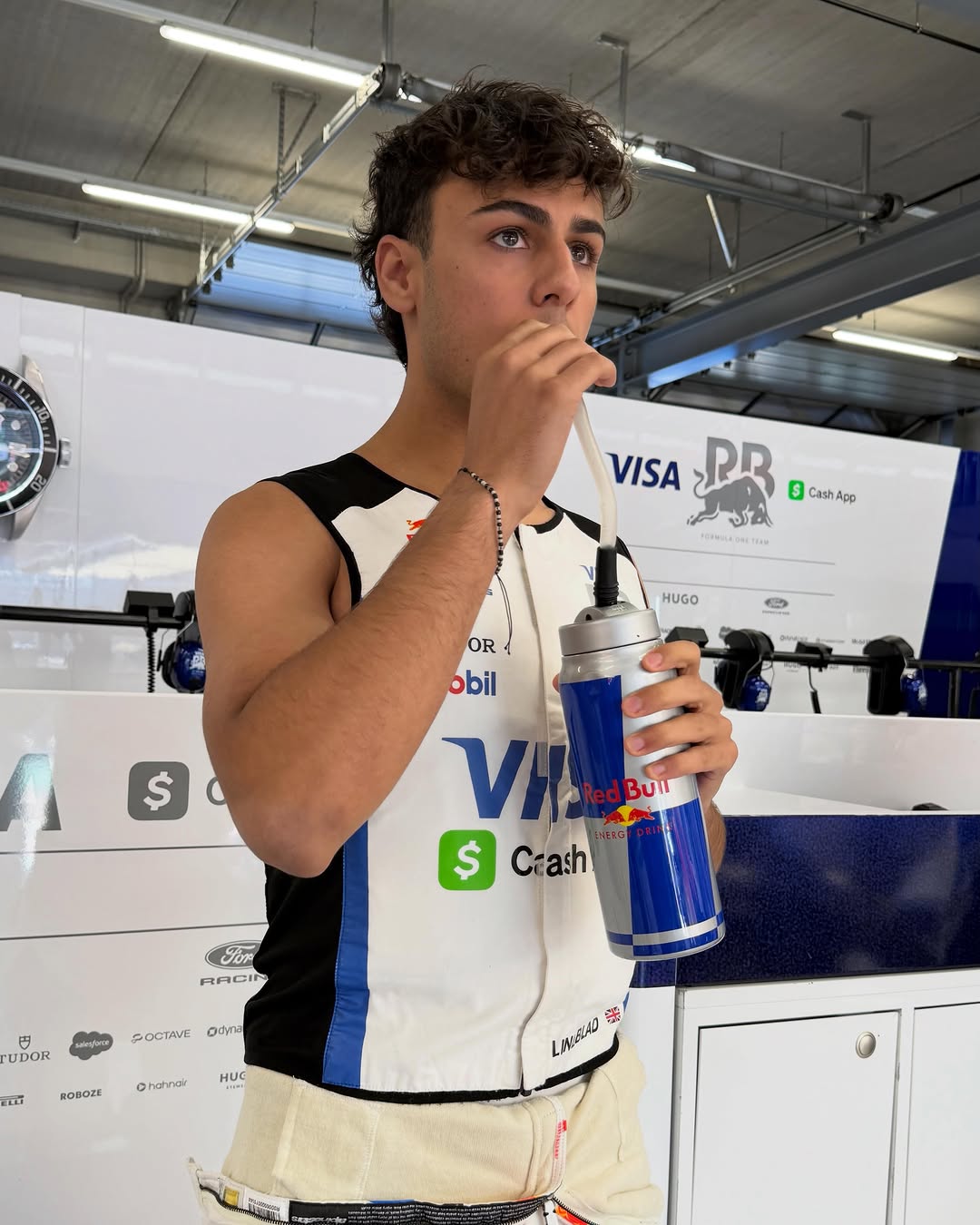
Livery Breakdown: What the Garage Images Show
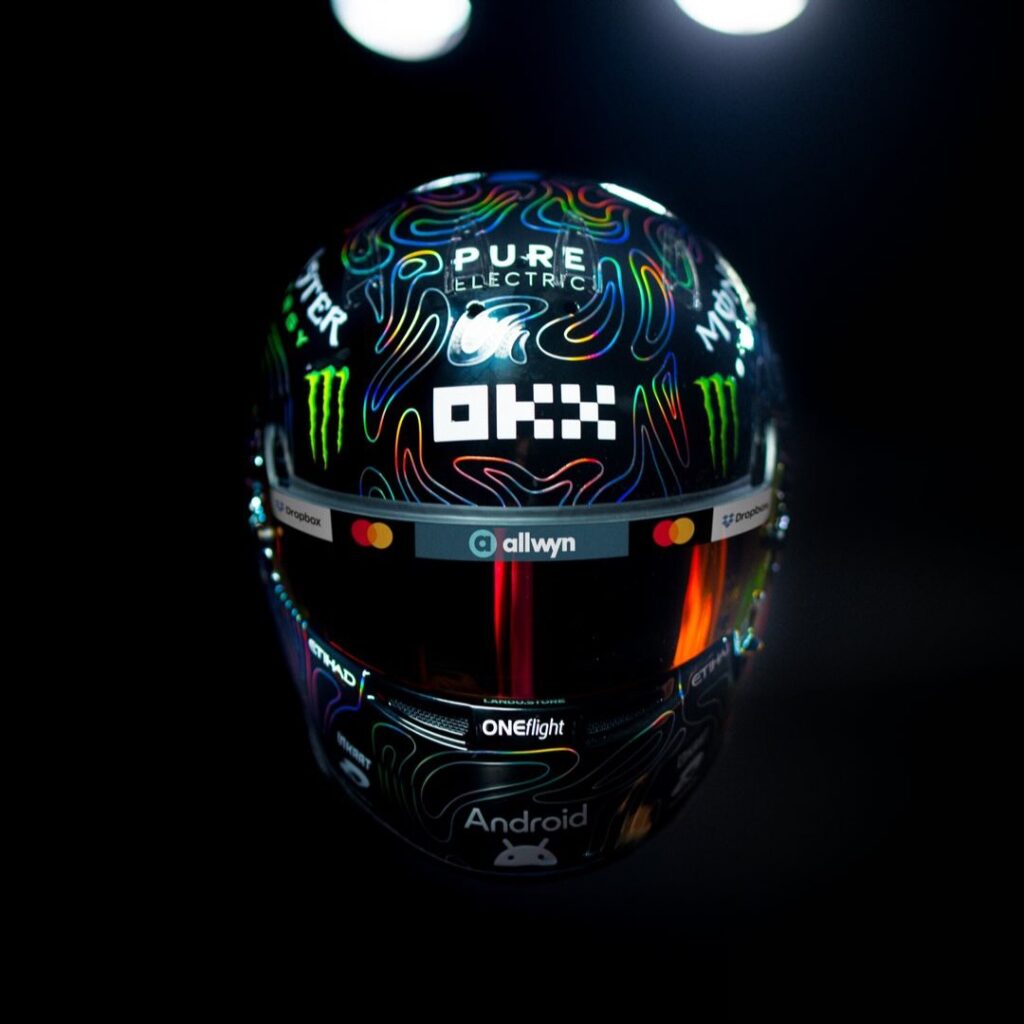
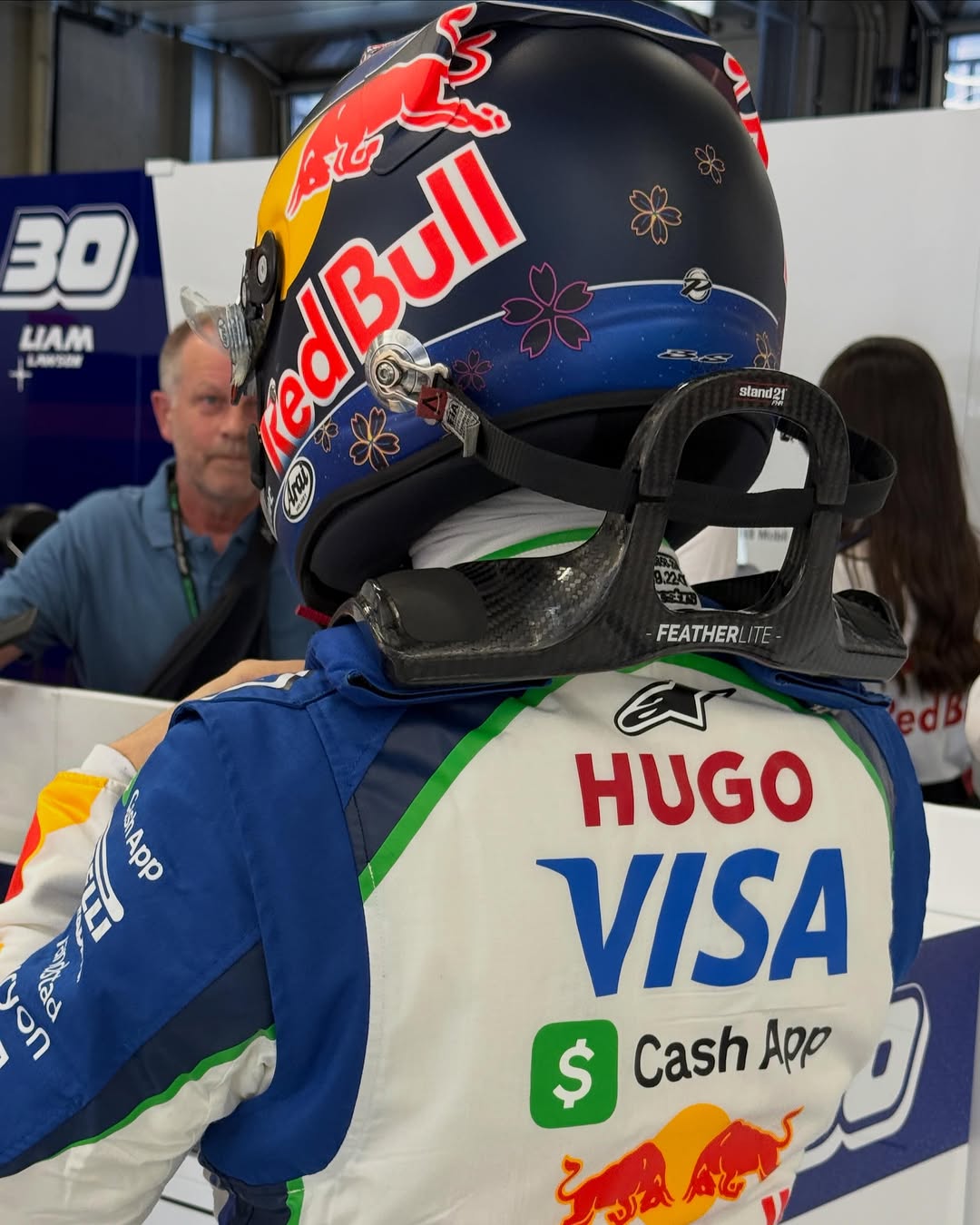
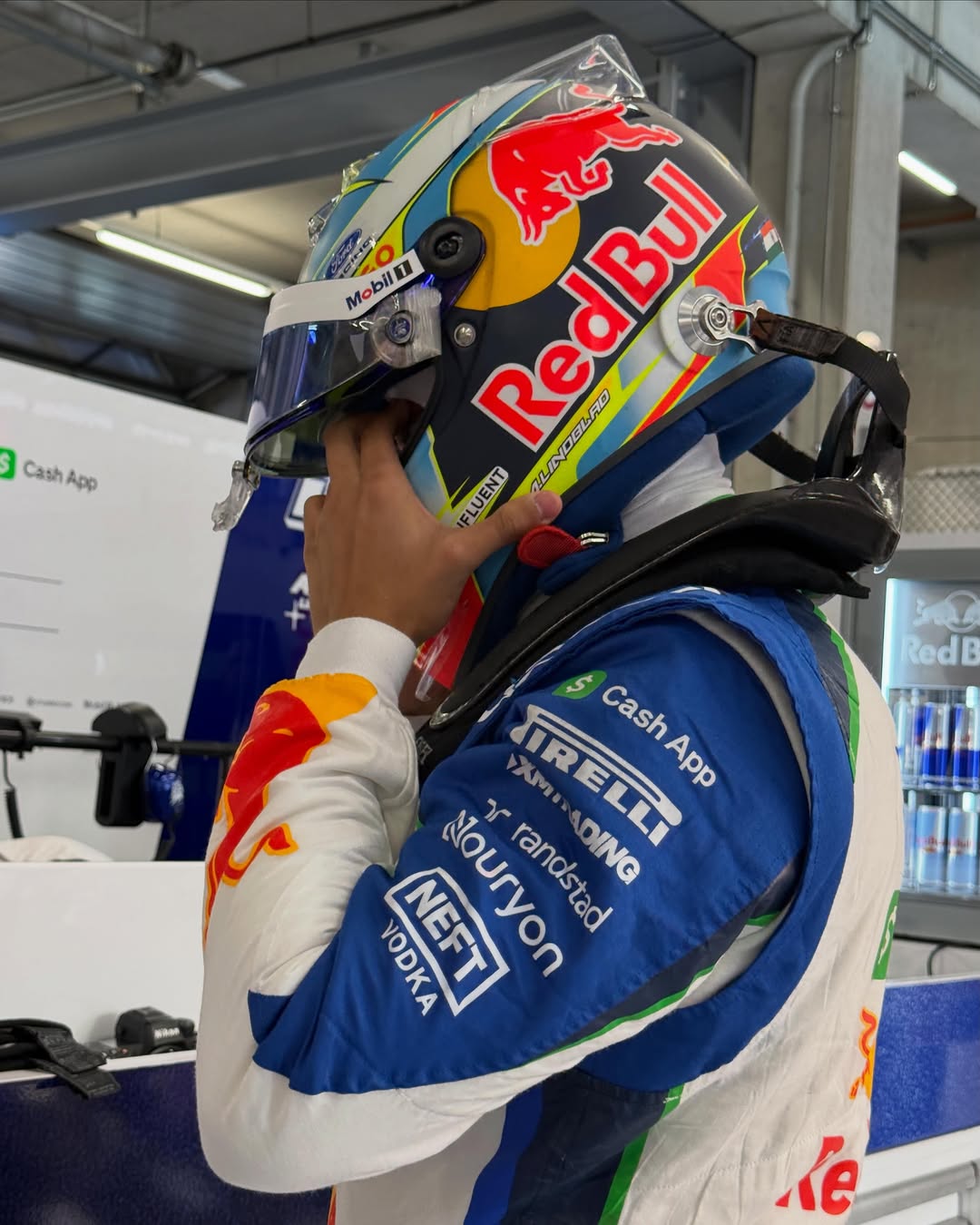
The first helmet described as ‘stunning’ in the team post carries a design language consistent with Racing Bulls’ 2026 visual identity — angular graphic blocks that reference the team’s bull iconography, finished in a base that catches direct sunlight with a high-gloss topcoat. At full-size 1:1 replica scale, the surface area of a standard open-face F1 helmet shell runs approximately 29 × 25 × 35 cm across the main front panel, giving those angular shapes genuine visual weight on a display stand.
The second helmet, also called out as stunning in the same post, reads as a contrast piece. Where the first leans into bold geometry, the second appears to work with a more graphic, illustrative treatment — the kind of one-off or event-specific design teams commission for a home race or a commercially significant round. Austria sits inside the Red Bull Ring, which is Red Bull’s home circuit; Racing Bulls, as the junior Red Bull programme, often aligns special livery moments with events that carry symbolic weight for the parent organisation.
Both helmets were photographed in conditions the team described as hot — summer at Spielberg regularly pushes track temperatures above 50 °C — which means the images capture the lacquer finish under genuine thermal stress. A properly manufactured display replica mirrors that finish layer for layer, with the same depth of colour that was present in the garage on race weekend.
Graphic Layers and Finish Quality
High-end F1 helmet replicas typically involve multiple paint and decal layers before the final clear-coat is applied. The visual result you see in a garage-dump photo — that combination of matte-panel contrast against gloss highlight — requires each layer to be applied in the correct sequence. The garage lighting at Spielberg, partly artificial and partly the harsh Austrian afternoon sun cutting through open bay doors, is one of the most demanding environments for showing whether a finish holds up. Both Racing Bulls helmets did.
The Garage-Dump Format and Why Collectors Trust It
A garage dump — five quick phone images posted directly from the pit lane — has become the most honest form of helmet reveal in modern F1. Studio renders smooth out texture; broadcast footage compresses colour gamut. A phone photo in a hot garage, shot without a tripod or controlled lighting, preserves the actual surface character of the helmet. For a collector evaluating whether a display replica matches the source design, this format is more useful than any official press image.
The five images in this Racing Bulls post from June 26, 2026 cover the helmets from multiple angles — including at least one ‘settled in’ shot showing a helmet in a driver’s seat, giving scale reference. A full-size 1:1 replica placed in the same position would be indistinguishable in proportion. That is the benchmark: a display piece that passes the garage-dump test.
The Racing Bulls team has built a consistent social media habit of dropping livery content directly from the paddock, without the 48-hour embargo cycle that some teams use for commercial reveals. That transparency benefits collectors, who can identify exactly which event a helmet design corresponds to and date their display piece precisely.
Collector Significance of the 2026 Austrian GP Helmets
The 2026 Austrian Grand Prix holds particular collector significance because it takes place at Red Bull Ring — a circuit that carries direct organisational meaning for the Racing Bulls programme. Helmet designs produced for this event sit at the intersection of team identity, circuit heritage, and the 2026 regulation cycle, which introduced substantial aerodynamic and power-unit changes across the grid. Collectors who track Racing Bulls across the season will recognise the Austrian GP lids as a design moment tied to a structurally important race weekend.
Full-size 1:1 display replicas produced from this event are exhibition-quality collector items. They are not safety equipment, not certified for protective use, and not intended for road or track use — they are display pieces and collector items that preserve the exact visual specification of the race-day helmet at a 1:1 scale. The distinction matters: a replica built to display standard holds its graphic fidelity over years of exhibition in a way that a production-run souvenir item does not.
Why Two Helmets at One Race Weekend
Teams occasionally produce separate helmet designs for qualifying and race day, or for each driver, within the same grand prix weekend. The Racing Bulls post showed at least two distinct ‘stunning’ lids, suggesting either a per-driver design difference or a qualifying-versus-race split. Both scenarios increase collector interest — they represent two discrete design artefacts from a single race weekend, each with its own display identity. A collection that holds both captures the full visual story of the team’s 2026 Austrian GP appearance.
Displaying a Racing Bulls Austrian GP Replica
A full-size 1:1 Racing Bulls Austrian GP replica helmet weighs approximately 1.2–1.5 kg in a standard display-grade shell, which is close enough to race-weight to feel authoritative on a stand without requiring specialist mounting hardware. Standard acrylic display domes sized for F1 helmets run to an internal clearance of roughly 40 × 40 × 35 cm, which accommodates the Racing Bulls livery — including any raised aerodynamic fin or visor peak detail — without clipping the graphics.
The visor on a display replica is typically 3 mm to 4 mm polycarbonate, tinted to match the race-day specification photographed in the garage images. In the Spielberg garage photos, both helmets appear fitted with a dark-tinted visor appropriate for the bright Austrian summer conditions — a detail a quality replica will replicate at the correct thickness rather than substituting a generic clear panel.
For shelf positioning, the garage-dump images themselves provide a useful reference: the ‘settled in’ shot shows the helmet sitting naturally at a slight forward lean, which is how most display collectors angle a replica to show the primary front-panel graphic face-on. The Racing Bulls bull motif and team typography read best at that orientation, and a 1:1 replica on a shaped stand will hold the same angle indefinitely.
The 2026 Season Context for Racing Bulls Helmet Designs
Racing Bulls entered the 2026 season with a revised livery direction shaped by the grid’s new technical regulations, which came into force for the first time this year. Helmet designs across the season have reflected that shift — cleaner aerodynamic surfaces on the cars allow graphic designers more visual surface to work with, and helmet liveries in 2026 have correspondingly moved toward bolder, more singular statements rather than the fragmented sponsor-patch aesthetic that was common in earlier seasons.
The Austrian GP falls at round 11 of the 2026 calendar, meaning by June 26, 2026 the team has had ten prior race weekends to establish its visual language. The two helmets shown in the garage dump sit within that established 2026 Racing Bulls identity while appearing to introduce event-specific elements — the kind of design iteration collectors use to differentiate individual-race replica pieces from the team’s baseline season helmet.
For any collector building a systematic record of Racing Bulls helmet designs across the 2026 season, the Austrian GP entry is one of the stronger individual pieces: a home-circuit event, a dual-helmet reveal, and documentation via five direct garage images that establish the exact visual specification without ambiguity.
“Stunning lid!! Another stunning lid!!”
— Racing Bulls official social post, 2026 Austrian Grand Prix
“It’s hot out there.”
— Racing Bulls garage, Spielberg, June 26, 2026
FAQ
Q: What helmets did Racing Bulls reveal at the 2026 Austrian Grand Prix?
Racing Bulls revealed two distinct helmet designs at the 2026 Austrian Grand Prix at Red Bull Ring, Spielberg, both described as stunning in the team’s June 26, 2026 garage-dump social post. The exact driver assignment per lid was not specified in the source post, but both designs were shown in a five-image series shot directly from the pit-lane garage.
Q: Are Racing Bulls Austrian GP helmet replicas full-size 1:1 scale?
Yes — full-size 1:1 display replicas are built to the exact proportions of the race-day helmet, covering approximately 29 × 25 × 35 cm on the primary front panel and weighing around 1.2–1.5 kg in a display-grade shell. They are collector items and display pieces only, not certified for any protective use.
Q: What makes a garage-dump photo useful for helmet collectors?
A garage-dump photo shot on a phone in natural and artificial pit-lane light captures the actual surface texture, graphic edges, and finish contrast of a helmet without the colour compression or retouching that affects broadcast footage and studio press images. For collectors verifying that a display replica matches the source design, it is the most accurate reference format available.
Q: Why does the 2026 Austrian GP have particular collector significance for Racing Bulls?
The 2026 Austrian Grand Prix takes place at Red Bull Ring, the home circuit of the Red Bull organisation that owns Racing Bulls, making it a symbolically significant event for the team. Helmet designs produced for this weekend sit at the intersection of team identity and circuit heritage, and the dual-lid reveal at this race adds further collector interest compared to a single-design weekend.
Q: How should a Racing Bulls Austrian GP replica helmet be displayed?
The garage-dump images show the helmet at a slight forward lean, which presents the primary front-panel graphic face-on — the recommended orientation for a display stand. An acrylic dome with an internal clearance of approximately 40 × 40 × 35 cm accommodates the full helmet profile, and the replica visor at 3–4 mm polycarbonate should match the dark-tinted specification visible in the Spielberg garage photographs.
Browse F1 Helmet Collection
Display and collector replicas only. Not certified for protective use. Full-size 1:1 scale.
This article was written with the help of AI tools. Editorial policy