- Keke Rosberg
- Nigel Mansell
- Jenson Button
- Nico Rosberg
- Gilles Villeneuve
- Mika Hakkinen
- Jackie Stewart
- Mika Salo
- Emerson Fittipaldi
- Charles Leclerc
- Lewis Hamilton
- Max Verstappen
- Lando Norris
- Ayrton Senna
- Michael Schumacher
- Fernando Alonso
- Oscar Piastri
- George Russell
- Kimi Antonelli
- Nico Hülkenberg
- Gabriel Bortoleto
- Pierre Gasly
- Franco Colapinto
- Carlos Sainz
- Oliver Bearman
- Sergio Pérez
- Valtteri Bottas
- Isack Hadjar
- Alain Prost
- James Hunt
Why Honda Only Grasped F1 Problems’ Scale in January
Posted by
 123Helmets Editorial Team
123Helmets Editorial Team
F1 2026
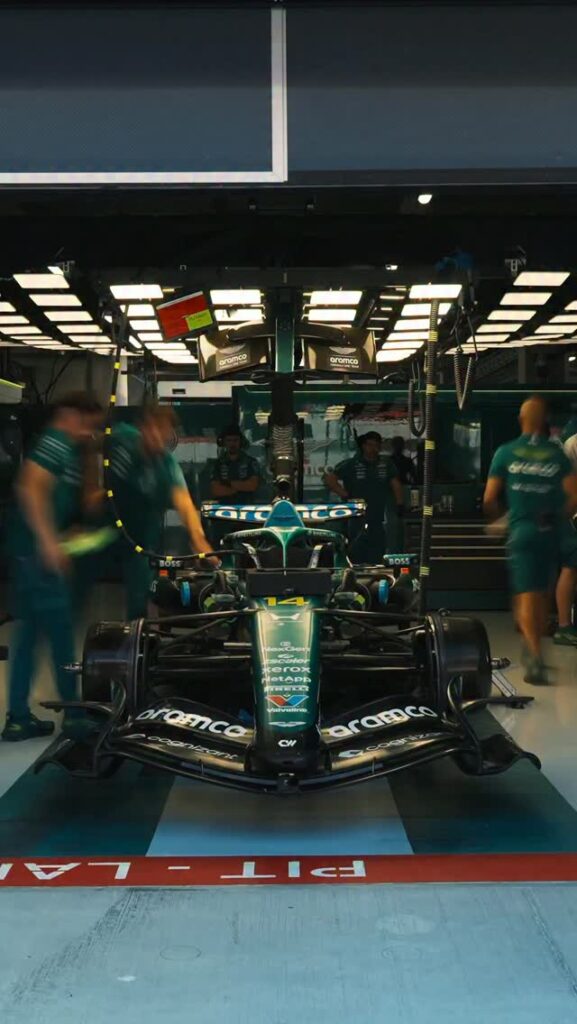
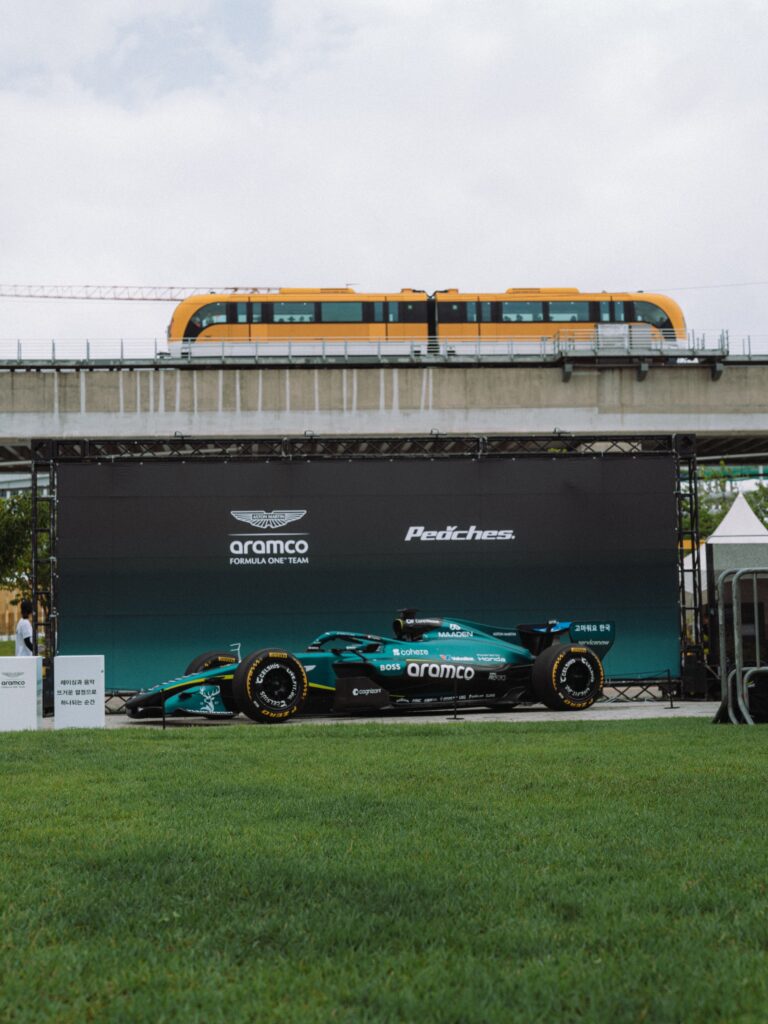
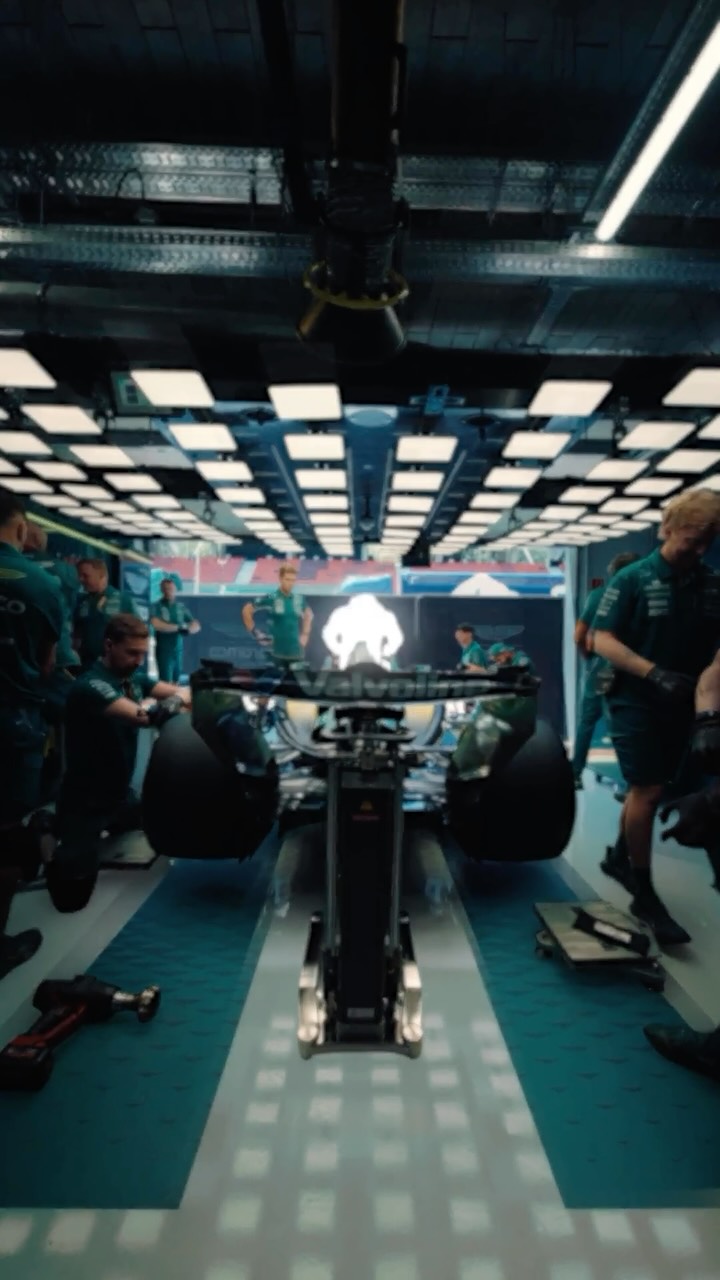
Aston Martin’s Honda-powered restart in 2026 has been far tougher than expected, and trackside manager Shintaro Orihara says the true scale of the power unit’s problems only became clear in January, months after preseason testing began.
Key Takeaways
Honda trackside manager Shintaro Orihara says the full scale of the power unit’s issues only became apparent in January 2026.
Aston Martin was reportedly around one second off the pace of newcomer Cadillac before the summer break.
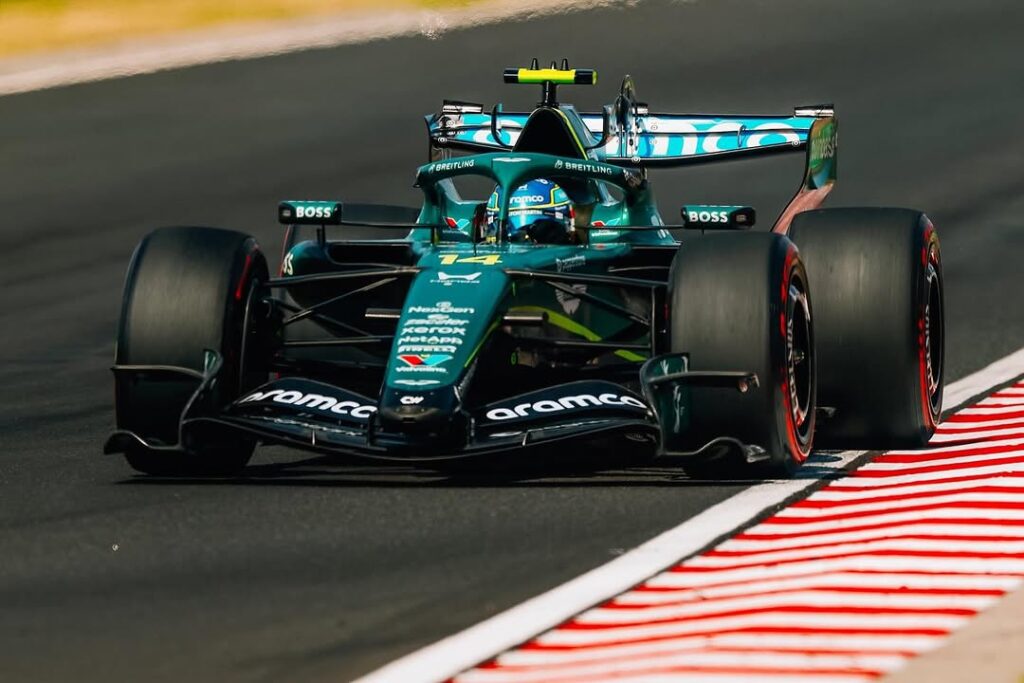
An upgrade package introduced in Hungary marked the first significant step forward for the AMR26 chassis.
Honda had to roll back some performance gains during preseason to protect reliability, slowing its development curve.
What Honda discovered in January 2026
Honda realised in January 2026 that its new F1 power unit’s performance and reliability were not going to be competitive, according to trackside manager and chief engineer Shintaro Orihara. Speaking to Autosport, Orihara said that at the end of the previous year the picture looked manageable, with performance and drivability still in development but appearing acceptable. That changed once engineers dug deeper into the data.
“So, probably at the end of last year, our position was not so bad,” Orihara said. “Still, performance and drivability were in the development stage, but it looked okay. But in January, we realised that in some of the areas we found some, not issues, but we realised that performance was always up, down, up, down. So we found some performance, but then we also found some reliability issues.”
The inconsistency he describes — gains in one area repeatedly offset by losses elsewhere — pushed Honda to reassess its whole development trajectory before the season had even properly begun.
Reliability first, performance second
Honda chose to protect reliability even if it meant giving up performance gains, a decision Orihara confirmed shaped the entire winter program. Because reliability is treated as a non-negotiable priority inside the company, engineers had to step back from several performance improvements once they threatened long-term durability at that output level.
“In January, we realised that our performance and reliability would not be competitive,” Orihara said. “When we started running in Barcelona, we realised…” His account trails into preseason testing at Barcelona, where the deficit against rival manufacturers became harder to ignore on track rather than just on the data sheets.
That trade-off slowed Honda’s overall development pace through the opening months of 2026, with the drivers reporting vibrations during the early rounds of the season as one visible symptom of the underlying issues engineers were still chasing.
Aston Martin’s one-second gap
Aston Martin team principal Mike Krack has said the team was barely racing before the 2026 summer break, with the gap to newcomer Cadillac sitting at roughly one second. That figure reflects both the chassis limitations of the AMR26 and the power unit shortfall Orihara describes, since the two variables cannot be fully separated when a car is off the pace by that margin.
Aston Martin entered the 2026 season with high expectations built around its Silverstone factory, the arrival of Adrian Newey, and a new works partnership with Honda. Those ingredients remain in place for the longer term, but the opening months of the season showed how difficult it is to convert facility and personnel investment into immediate competitiveness once a full technical regulation reset hits every team at the same time.
The Hungary upgrade turning point
Aston Martin’s first significant upgrade package of the season arrived in Hungary, and it marked the point where the AMR26 chassis began closing the gap that had opened up over the first half of 2026. Krack’s comments about the team barely racing referred specifically to the period before that package landed, underlining how much weight the team placed on the Hungary revisions.
The chassis, however, is only part of the equation. Honda’s power unit progress runs on its own timeline, and Orihara’s account suggests the manufacturer is still working through the reliability trade-offs identified back in January before it can fully unlock the performance it originally targeted for the new regulation cycle.
What this means for the rest of the season
Aston Martin’s competitiveness for the remainder of 2026 depends on Honda closing the performance gap without reopening the reliability questions raised in January. With the chassis side showing progress since Hungary, the power unit side is now the bigger variable, and Orihara’s comments suggest Honda is still managing a careful balance between chasing lap time and protecting durability across a season where every point matters in a tightening midfield fight.
Fans following Aston Martin’s Honda-era progress can browse the site’s F1 helmet collection, where display pieces linked to the sport’s biggest teams and moments are available to view.
“In January, we realised that our performance and reliability would not be competitive.”
— Shintaro Orihara, Honda trackside manager and chief engineer
FAQ
Q: When did Honda realise the scale of its F1 2026 problems?
Honda realised the full scale of its problems in January 2026, according to trackside manager Shintaro Orihara, after finding inconsistent performance gains alongside new reliability issues.
Q: How far behind was Aston Martin before the summer break?
Aston Martin was roughly one second off the pace of newcomer Cadillac before the 2026 summer break, according to team principal Mike Krack.
Q: Did Aston Martin introduce upgrades in 2026?
Yes, Aston Martin brought its first major upgrade package for the AMR26 chassis in Hungary, marking a turning point in the car’s competitiveness.
Q: What issues did Honda’s power unit face early in 2026?
Honda’s power unit showed inconsistent performance gains and reliability concerns, along with vibrations reported by drivers during the opening weeks of the 2026 season.
Q: Why did Honda step back on performance development?
Honda stepped back on some performance gains because reliability is treated as a top priority, and engineers found that pushing performance further risked durability at that output level.
Browse F1 Helmet Collection
Display and collector replicas only. Not certified for protective use. Full-size 1:1 scale.