- Keke Rosberg
- Nigel Mansell
- Jenson Button
- Nico Rosberg
- Gilles Villeneuve
- Mika Hakkinen
- Jackie Stewart
- Mika Salo
- Emerson Fittipaldi
- Charles Leclerc
- Lewis Hamilton
- Max Verstappen
- Lando Norris
- Ayrton Senna
- Michael Schumacher
- Fernando Alonso
- Oscar Piastri
- George Russell
- Kimi Antonelli
- Nico Hülkenberg
- Gabriel Bortoleto
- Pierre Gasly
- Franco Colapinto
- Carlos Sainz
- Oliver Bearman
- Sergio Pérez
- Valtteri Bottas
- Isack Hadjar
- Alain Prost
- James Hunt
Honda: F1 Problems Only Became Clear in January 2026
Posted by
 123Helmets Editorial Team
123Helmets Editorial Team
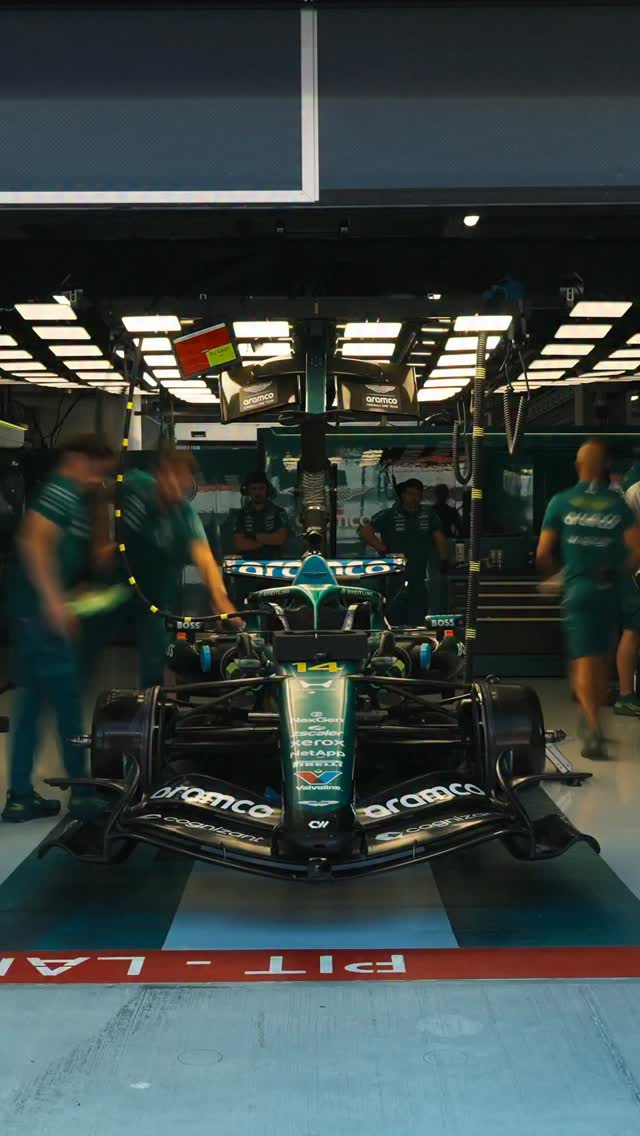
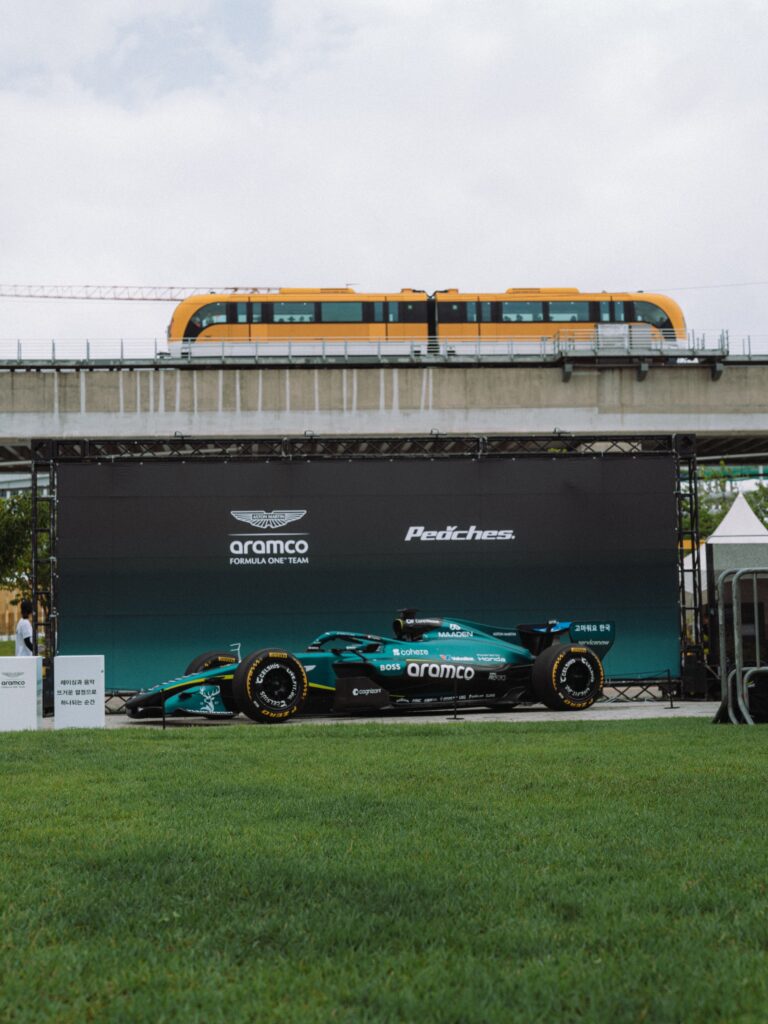
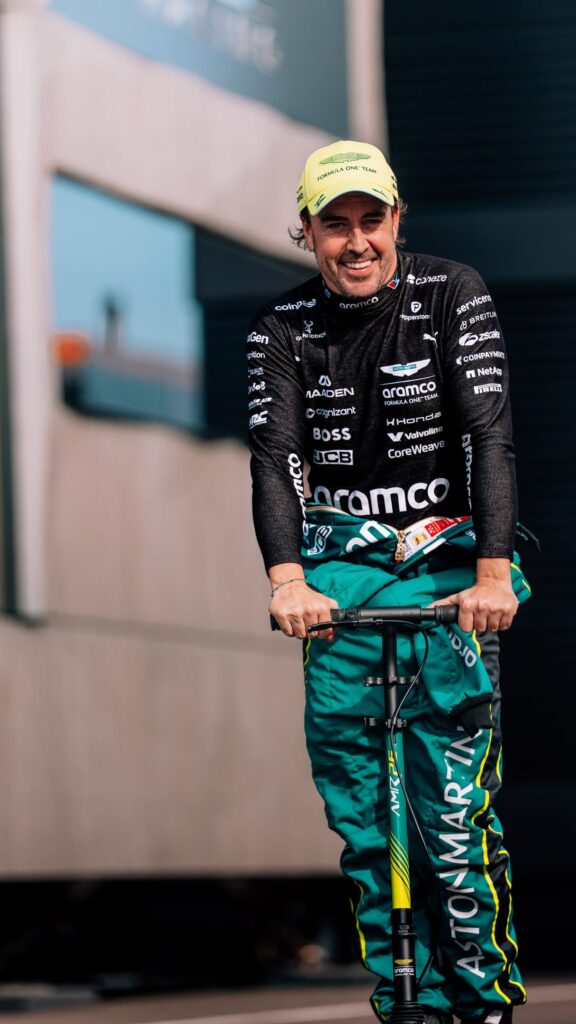
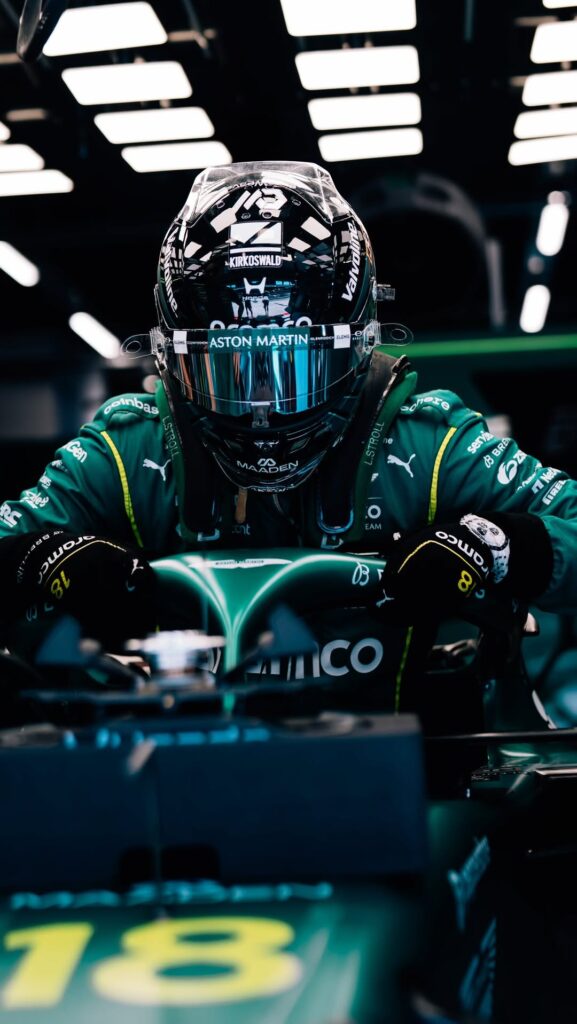
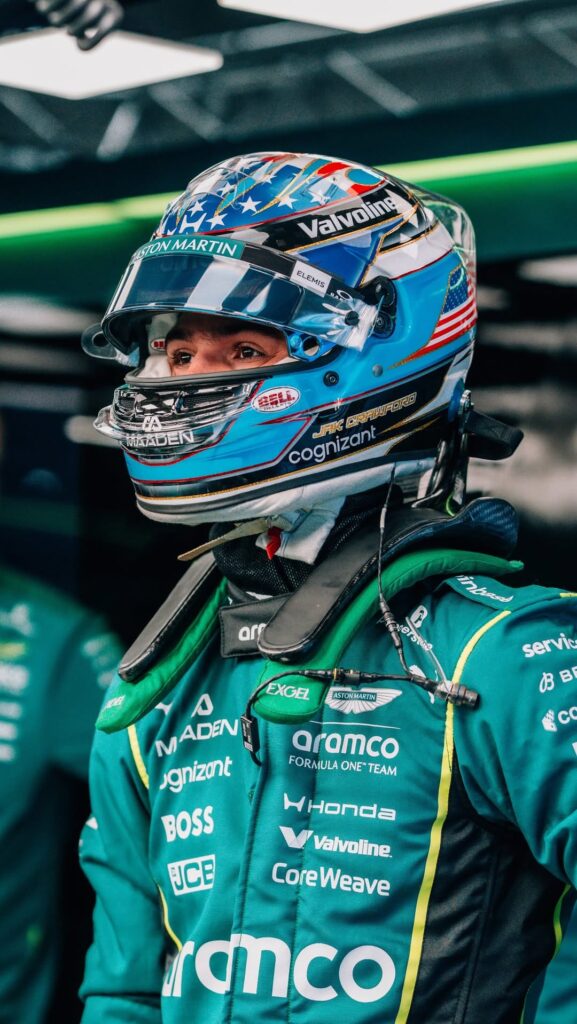
Aston Martin & Honda
Honda has admitted it only grasped the true scale of its 2026 Formula 1 problems in January, months after officially returning to the grid as Aston Martin’s works engine partner.
Key Takeaways
Honda trackside manager and chief engineer Shintaro Orihara says the full scope of the manufacturer’s 2026 problems only became apparent in January.
Team principal Mike Krack confirmed Aston Martin trailed newcomer Cadillac by roughly one second for much of the opening half of the 2026 season.
Honda’s engine issues ranged from early-season vibrations to performance swings and reliability concerns that forced the team to scale back planned gains.
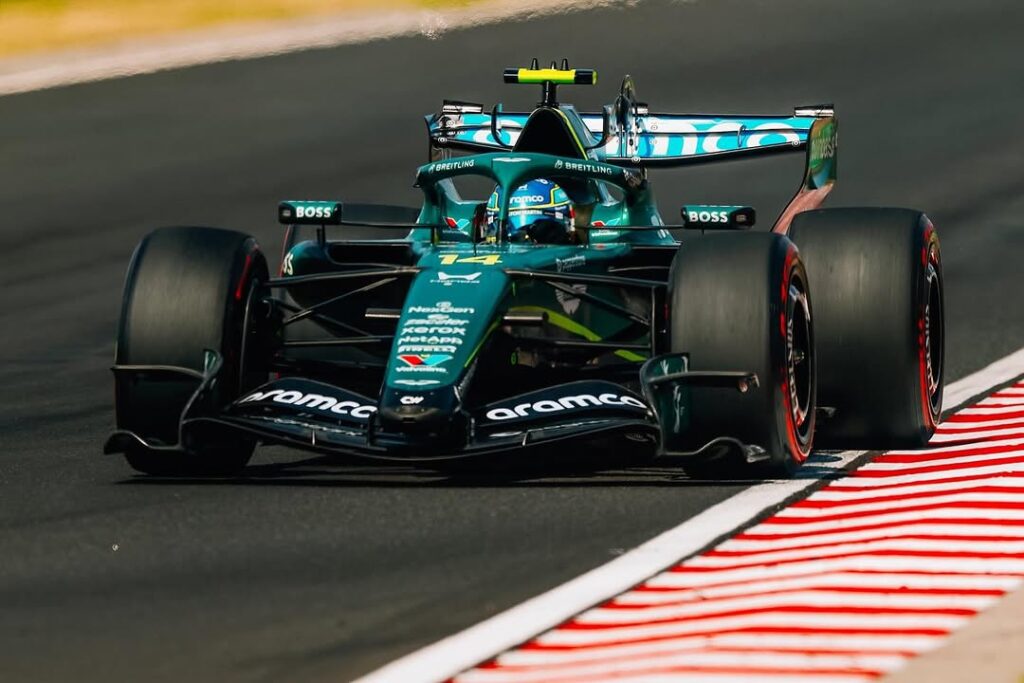
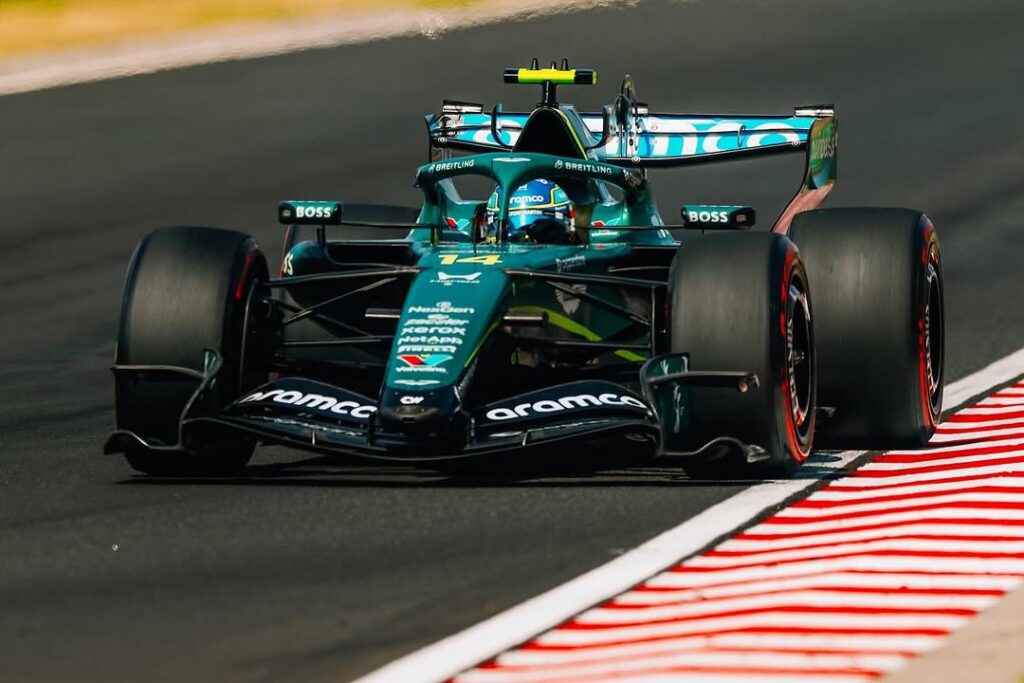
Aston Martin’s first major AMR26 upgrade arrived at the Hungarian Grand Prix, though the chassis was only ever part of a wider works-team equation.
Honda’s January Reality Check
Honda only understood the true depth of its 2026 problems in January, roughly a month before pre-season track running began. Trackside manager and chief engineer Shintaro Orihara told Motorsport.com that at the end of the previous year, the picture inside Honda looked manageable, even encouraging.
“So, probably at the end of last year, our position was not so bad,” Orihara said. “Still, performance and drivability were in the development stage, but it looked okay.” That optimism did not survive contact with January’s data. Engineers began noticing that performance readings were inconsistent from one run to the next, a pattern Orihara described bluntly as “up, down, up, down.”
That inconsistency exposed a second, more serious issue sitting underneath the performance numbers: reliability. Honda’s engineers found that chasing extra output at the top end of the performance window came with a reliability cost the team was not prepared to accept heading into a season with an all-new set of technical regulations.
Aston Martin’s Slow Start to the 2026 Season
Aston Martin has spent most of the opening half of the 2026 season fighting a deficit of around one second per lap. Team principal Mike Krack recently admitted the team had barely been competitive before the summer break, with newcomer Cadillac setting a benchmark that the AMR26 simply could not match.
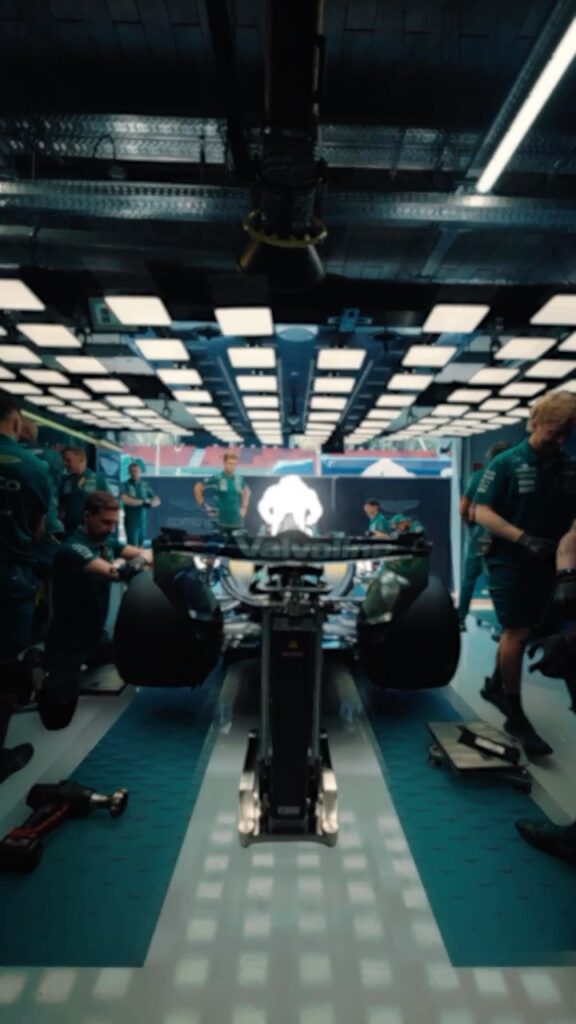
The scale of that gap is notable given the resources Aston Martin committed to this rules reset. The team built a new factory in Silverstone, brought in Adrian Newey as its lead designer, and secured a works partnership with Honda specifically to be competitive from the first race of the new technical era. Instead, the opening months delivered a car that was consistently outpaced, with the first meaningful step forward only arriving when the AMR26 received its first major upgrade package at the Hungarian Grand Prix.
A chassis upgrade, however, only tells part of the story. The car and the engine behind it are two halves of the same competitive equation, and Honda’s own admissions about January show that Aston Martin’s slow start was never purely a Silverstone problem.
See the Aston Martin collection for more on the team behind the 2026 works project.
Engine Trouble Behind the Chassis Numbers
Honda’s 2026 power unit has produced problems ranging from early-season vibrations to a measurable deficit in outright performance. Drivers reported vibrations affecting the car during the opening weeks of the season, a symptom that pointed to deeper issues inside the power unit rather than a simple setup quirk.
Those vibrations were only the visible part of a broader pattern. Once Honda’s engineers dug into the January data, they found that headline performance figures were being undermined by inconsistency, and that inconsistency traced back to component behaviour that also raised reliability questions. In a new-regulation season, where every manufacturer is starting fresh with unfamiliar hardware, that combination of unpredictable performance and reliability risk is close to the worst outcome a power unit supplier can uncover before the season has properly started.
Reliability First: Why Development Slowed
Honda chose to prioritise reliability over chasing every available unit of performance once January’s findings became clear. Because reliability sits at the top of any engine manufacturer’s priority list, Honda’s engineers had to pull back from performance gains that looked promising on paper but carried too much risk in practice.
“In January, we realised that our performance and reliability would not be competitive,” Orihara said. “When we started running in Barcelona, we realised that our performance was definite[ly behind expectations].” That step back inevitably slowed the pace of overall development through the opening rounds, compounding the chassis-side deficit Aston Martin was already fighting against Cadillac and the rest of the grid.
The trade-off explains why Aston Martin’s competitive picture did not improve in a straight line. Chassis upgrades such as the Hungary package could only do so much while the power unit behind them was still being brought back within acceptable reliability margins.
A Historic Partnership Under Early Pressure
Honda’s 2026 return marks its move back into Formula 1 as a full works engine partner, this time paired with Aston Martin rather than operating purely as a supplier. Honda has been present in Formula 1 in various guises across several decades, and the switch to a works arrangement raises the stakes: the manufacturer’s name is now tied directly to Aston Martin’s results rather than sitting one step removed as an engine supplier to a customer team.
That context makes January’s findings more significant than a routine early-season setback. A works partnership is built around long-term alignment between chassis and power unit development, and the admission that Honda only recognised the depth of its issues in January means the team lost valuable preparation time before a season that was always going to be defined by the scale of the regulation change.
Aston Martin’s Hungarian Grand Prix upgrade suggests the chassis side of the operation is starting to respond. Whether Honda can close its own gap before the year is out will decide how much of that progress actually reaches the track.
“So, probably at the end of last year, our position was not so bad. Still, performance and drivability were in the development stage, but it looked okay. But in January, we realised that in some of the areas we found some, not issues, but we realised that performance was always up, down, up, down. So we found some performance, but then we also found some reliability issues.”
— Shintaro Orihara, Honda trackside manager and chief engineer, to Motorsport.com
FAQ
Q: When did Honda realise the scale of its 2026 F1 problems?
Honda says it only understood the true scale of its problems in January 2026, after previously believing its position at the end of the prior year was not too bad. Trackside manager Shintaro Orihara said performance data through January showed inconsistent swings that also exposed reliability concerns.
Q: How far behind was Aston Martin before the Hungary upgrade?
Aston Martin trailed newcomer Cadillac by around one second for much of the opening half of the 2026 season, according to team principal Mike Krack. The gap only began to close after the AMR26 received its first major upgrade package at the Hungarian Grand Prix.
Q: What problems has Honda faced with its 2026 F1 engine?
Honda’s 2026 power unit has produced vibrations during the opening weeks of the season, inconsistent performance readings, and reliability issues uncovered once engineers analysed January data. The manufacturer scaled back some performance gains specifically to protect reliability.
Q: Is this Honda’s first stint as a Formula 1 engine partner?
No, Honda has previously been involved in Formula 1 in different roles, including as an engine supplier. The 2026 season marks its return as a full works partner, this time aligned directly with Aston Martin rather than supplying a separate customer team.
Q: Why did Honda slow down its power unit development?
Honda slowed development to protect reliability after January testing showed that chasing extra performance carried reliability risk. Trackside manager Shintaro Orihara said the manufacturer had to step back once it realised performance and reliability were not both competitive at the same time.
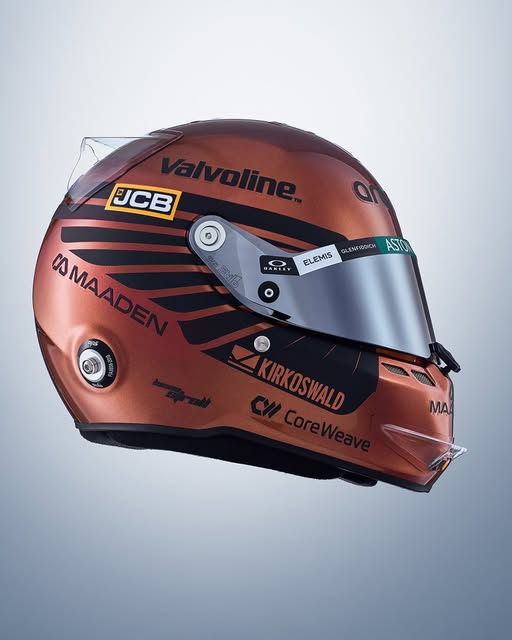
Browse F1 Helmet Collection
Display and collector replicas only. Not certified for protective use. Full-size 1:1 scale.