Blog
Red Bull Tension Grows Amid Verstappen-McLaren Talks
 123Helmets Editorial Team
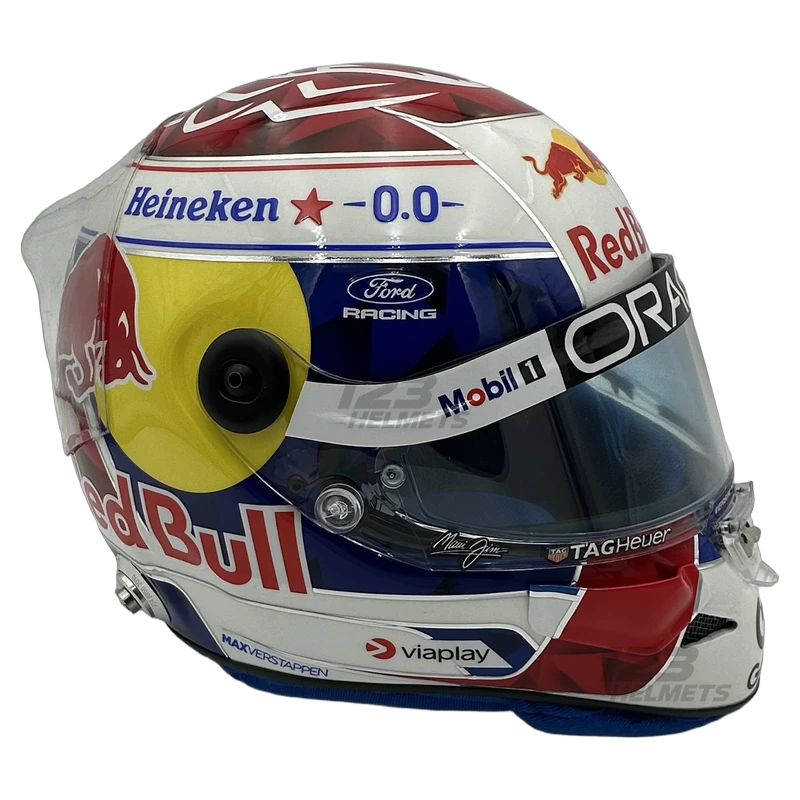
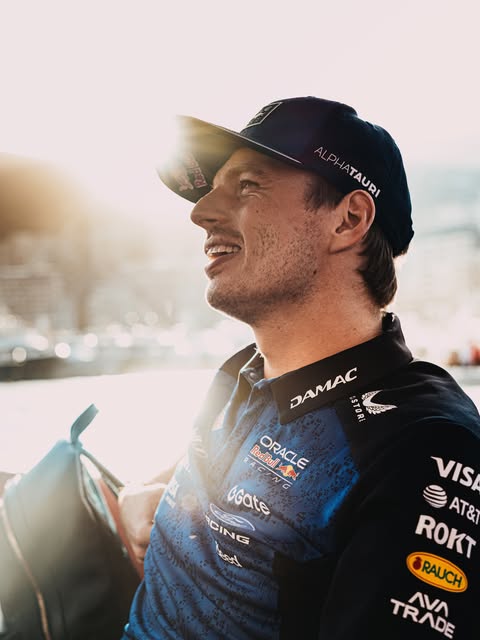
Max Verstappen’s Red Bull future has become the central storyline of the 2026 season, and reports of contact between the four-time champion’s camp and McLaren have turned a contractual footnote into a full-blown crisis inside Milton Keynes.
Key Takeaways
Verstappen remains under contract with Red Bull through 2028, but performance clauses tied to the drivers’ standings give him a route out.
Red Bull reportedly tried to buy out that exit flexibility during talks in Austria involving shareholders Mark Mateschitz and Chalerm Yoovidhya — Verstappen refused.
This marks the third straight year Verstappen’s future has dominated the summer news cycle, following contact with rival teams in 2024 and 2025.
A rear wing failure at the British GP, echoing an earlier issue in Austria, has added technical concern to the contractual standoff.
Why Red Bull frustration is boiling over now
Red Bull’s frustration stems from a repeated pattern: for a third consecutive year, Verstappen’s future has become a central summer storyline rather than a settled matter. Team management and shareholders are reportedly “extremely annoyed” that clarity has again been delayed, especially after the level of freedom, status and financial reward the team has extended to its four-time champion. In 2024 and 2025, Verstappen held talks with rival outfits, including Mercedes, before staying with Red Bull each time. What is different in 2026 is that the team’s competitive picture has shifted alongside the driver’s patience, turning an annual formality into a genuine threat to the relationship.
The contract itself is not in question — Verstappen remains signed through the end of 2028. What is in question is the performance clause reportedly built into that deal, which is understood to activate if Verstappen falls outside the top two in the drivers’ standings by the summer break. Following his retirement from the British Grand Prix, that threshold is now within reach of being triggered, giving the clause real weight rather than theoretical relevance.
The buyout attempt that Verstappen rejected
Red Bull reportedly tried to buy Verstappen out of his exit clause during talks held in Austria, according to Dutch outlet De Limburger. Those discussions are said to have involved senior shareholders, including Mark Mateschitz and Chalerm Yoovidhya, figures who sit well above the day-to-day team principal level and whose direct involvement signals how seriously the ownership group is treating the situation.
Verstappen reportedly declined the offer, choosing to retain the flexibility written into his contract rather than trade it away for a fixed extension. For a driver who has spent his entire senior F1 career with one team, refusing that kind of buyout is a notable signal in itself — it suggests the exit clause is being treated as leverage, or genuine insurance, rather than a formality he is willing to discard for goodwill.
McLaren talks and the shifting competitive picture
Reports of intensifying contact between Verstappen’s camp and McLaren mark the clearest sign yet that the 2026 driver market could produce its biggest shock in years. The RB22 has been inconsistent through the season, and Verstappen’s retirement at the British Grand Prix came after another rear wing-related failure — a repeat of a problem that struck him earlier in Austria. Verstappen has since warned that repeat failures in high-speed corners could become genuinely dangerous, language that raises the stakes on Red Bull’s reliability well beyond a simple form slump.
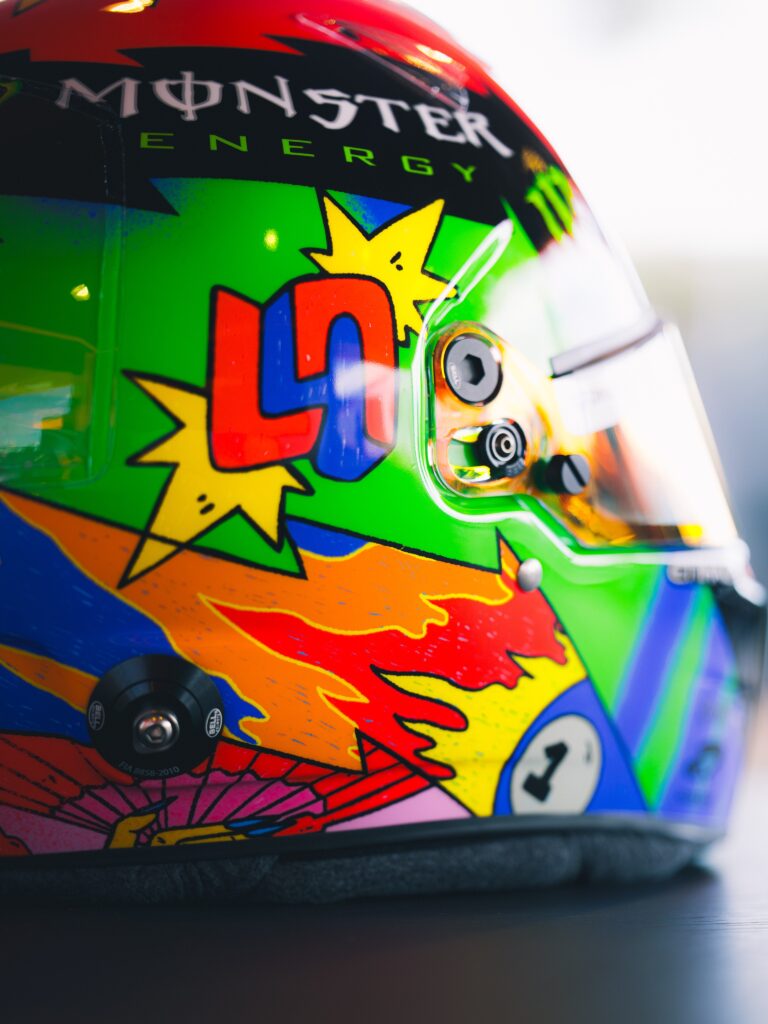
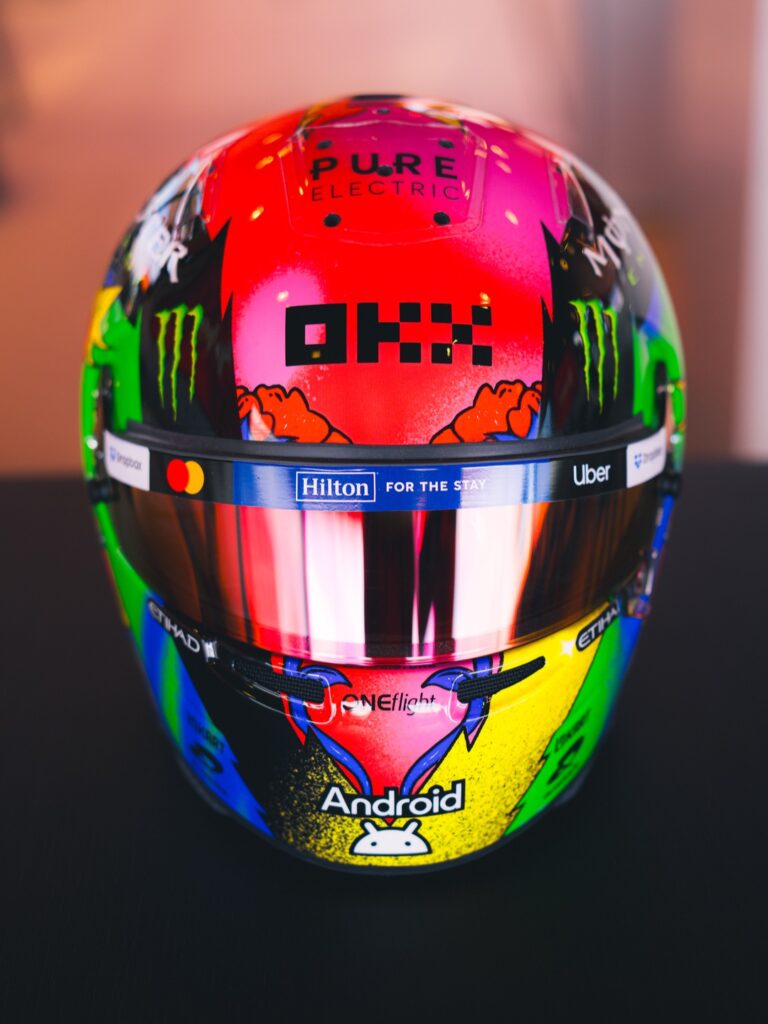
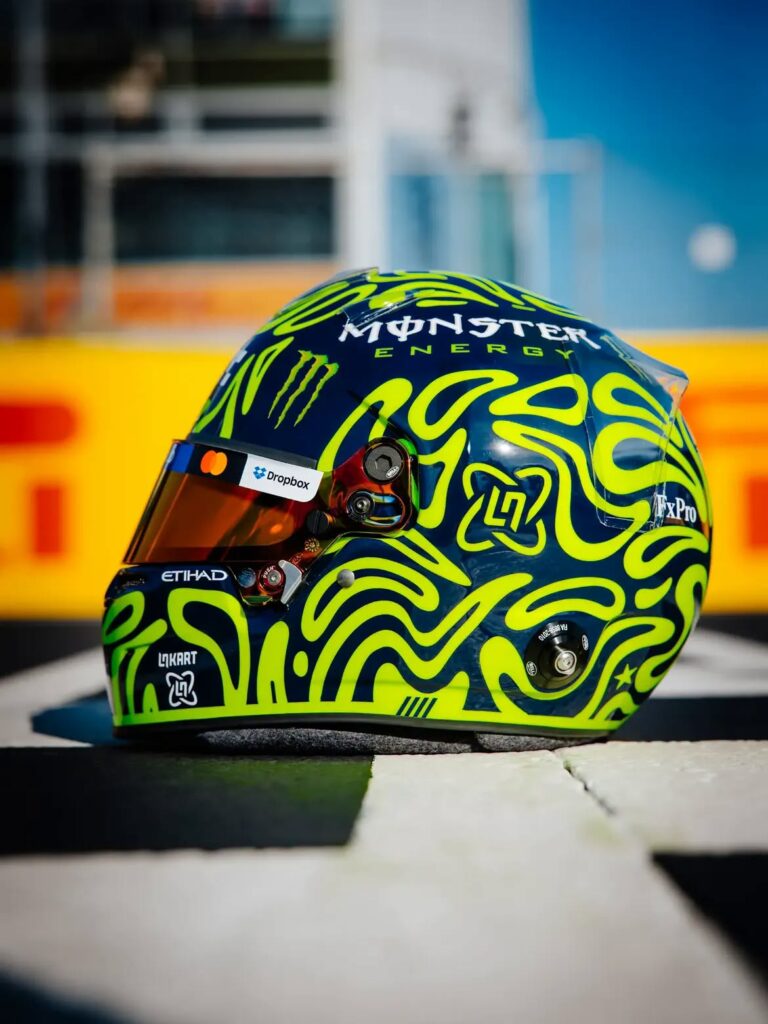
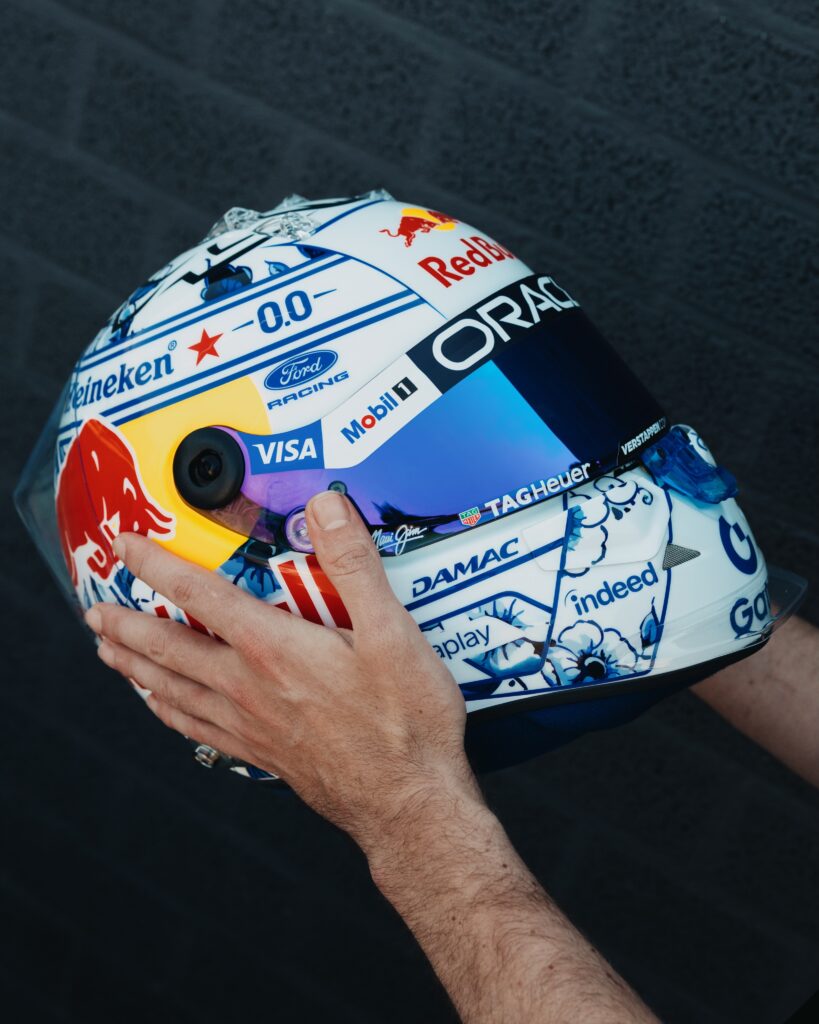
McLaren, by contrast, enters this conversation as one of the grid’s form teams, and any concrete approach toward Verstappen would sit alongside the team’s own uncertainty around Oscar Piastri’s future. A move of this magnitude — a four-time champion switching allegiance mid-contract cycle — would be among the most significant driver transfers of the last decade, reshaping grid dynamics, sponsor alignment and, inevitably, the visual identity fans associate with Verstappen’s helmet designs.
What this means for collectors and display pieces
For collectors, a Verstappen move to McLaren would mark a clean break point in his helmet history — every full-size 1:1 replica tied to his Red Bull years would instantly become a closed chapter rather than an ongoing series. Verstappen has raced under Red Bull livery since his senior F1 debut, and his helmet designs across that spell — from title-winning seasons to circuit-specific specials — form a continuous visual record that a team change would formally end.
Exhibition-quality replicas capturing this Red Bull era carry particular weight precisely because of that potential finality. A full-size 1:1 display helmet from this period is not just a piece of merchandise; it is a marker of a specific, bounded stretch of a driver’s career, the kind that tends to become more sought-after once the era it represents has closed. Collectors watching the Verstappen-McLaren talks unfold are, in effect, watching the value proposition of every current Red Bull-liveried Verstappen collector item shift in real time.
What comes next in the standoff
The next flashpoint is the summer break, the point by which Verstappen’s position in the drivers’ standings determines whether his exit clause becomes fully live. Until then, expect continued reporting on contact between his camp and rival teams, further comment from Red Bull’s ownership group, and scrutiny of every retirement or mechanical issue affecting the RB22 as a potential accelerant. Verstappen’s own public comments — including his warning about the safety implications of repeat rear wing failures — suggest he is not treating this as routine positioning but as a response to a car he no longer fully trusts at high speed.
For Red Bull, the challenge is twofold: fix the reliability issues that have handed Verstappen a technical justification for walking, and repair a relationship that shareholders reportedly feel has not been met with enough goodwill. For everyone else in the paddock, and for the collector market tracking his career, the summer break now carries stakes well beyond the standings.
“When the rear wing doesn’t work properly in a high-speed corner, it’s not just a performance problem anymore — it becomes a safety issue if it keeps happening.”
— Max Verstappen, on the RB22’s rear wing failures
FAQ
Q: Is Max Verstappen still under contract with Red Bull?
Yes, Verstappen remains contracted to Red Bull through the end of 2028, but the deal reportedly contains performance clauses that could allow him to exit early if he falls outside the top two in the drivers’ standings by the summer break.
Q: Did Red Bull try to buy out Verstappen’s exit clause?
According to Dutch outlet De Limburger, Red Bull attempted to buy Verstappen out of his exit flexibility during talks in Austria involving shareholders Mark Mateschitz and Chalerm Yoovidhya, but Verstappen reportedly refused.
Q: Why is this the third year Verstappen’s future has been a story?
Verstappen held talks with rival teams, including Mercedes, in both 2024 and 2025 before staying at Red Bull each time, making 2026 the third consecutive summer his future has dominated headlines.
Q: What caused Verstappen’s retirement at the British Grand Prix?
A rear wing-related failure caused Verstappen’s retirement from the British Grand Prix, echoing a similar issue that affected his car earlier in Austria.
Q: Would a McLaren move affect Verstappen helmet collector value?
A confirmed team change would close out his current Red Bull helmet era, and full-size 1:1 display replicas from that period typically become more sought-after once a driver’s chapter with a team is formally finished.
Shop Max Verstappen Collection
Display and collector replicas only. Not certified for protective use. Full-size 1:1 scale.