- Keke Rosberg
- Nigel Mansell
- Jenson Button
- Nico Rosberg
- Gilles Villeneuve
- Mika Hakkinen
- Jackie Stewart
- Charles Leclerc
- Lewis Hamilton
- Max Verstappen
- Lando Norris
- Ayrton Senna
- Michael Schumacher
- Fernando Alonso
- Oscar Piastri
- George Russell
- Kimi Antonelli
- Nico Hülkenberg
- Gabriel Bortoleto
- Pierre Gasly
- Franco Colapinto
- Carlos Sainz
- Oliver Bearman
- Sergio Pérez
- Valtteri Bottas
- Isack Hadjar
- Alain Prost
- James Hunt
Barcelona GP Bet Builder: Five Legs, Two Podiums & the Helmet Moments Worth Displaying
Posted by
 123Helmets Editorial Team
123Helmets Editorial Team
Race Recap
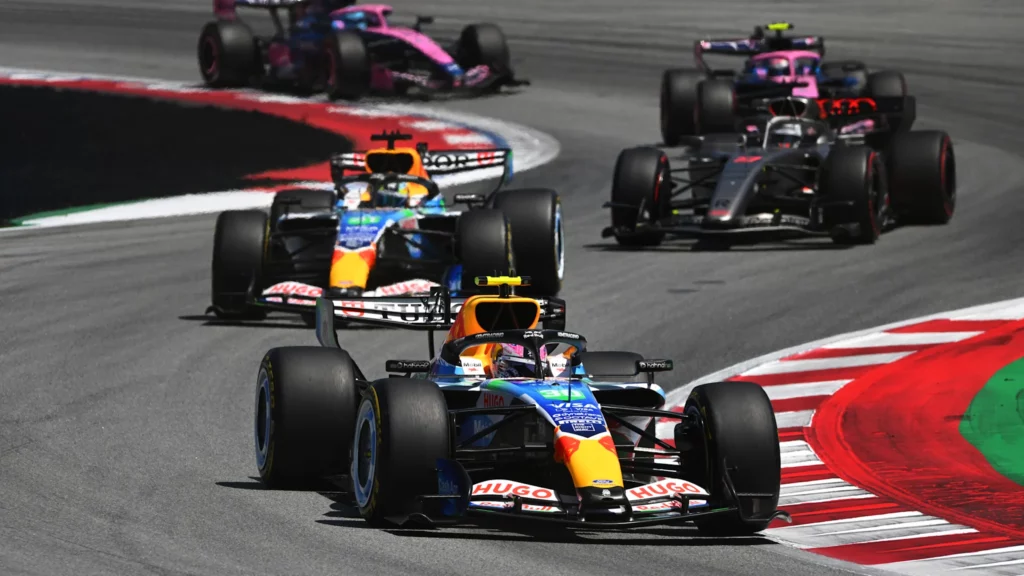
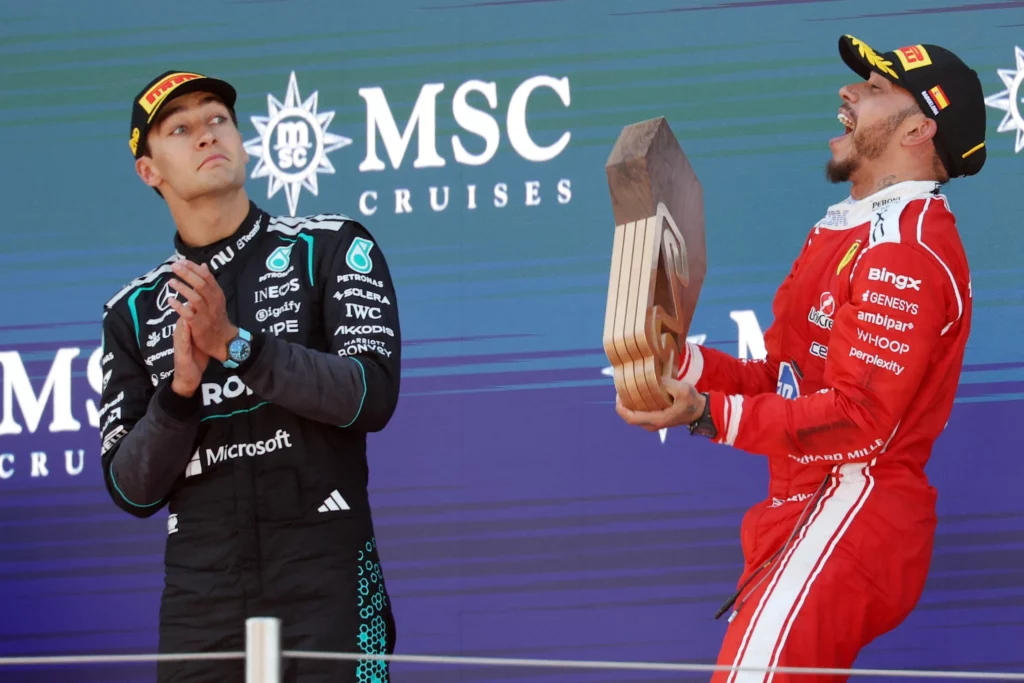
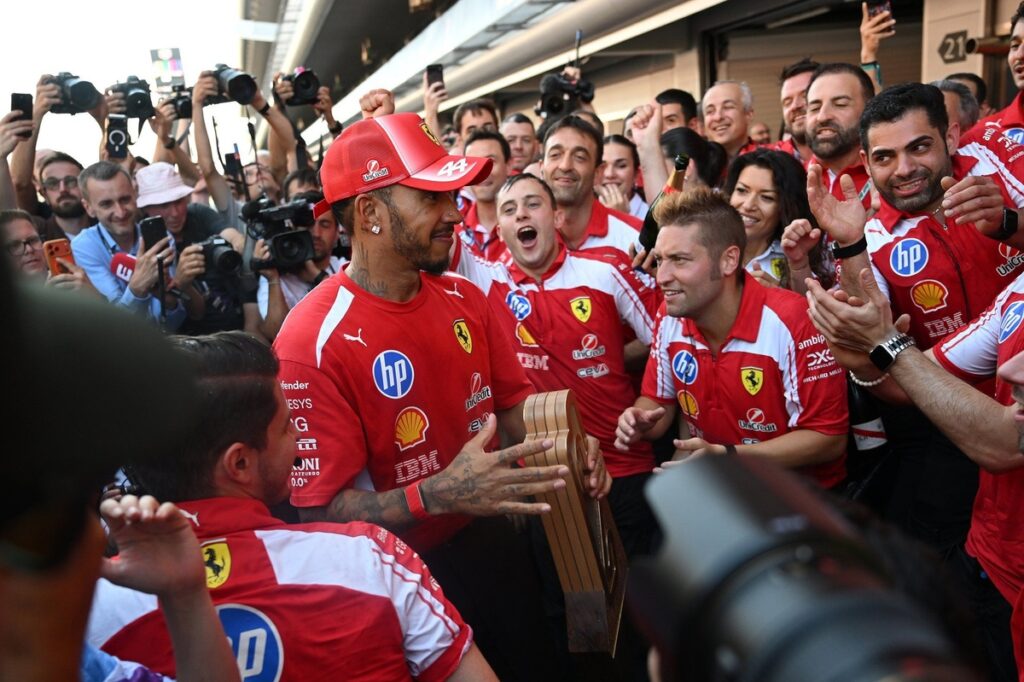
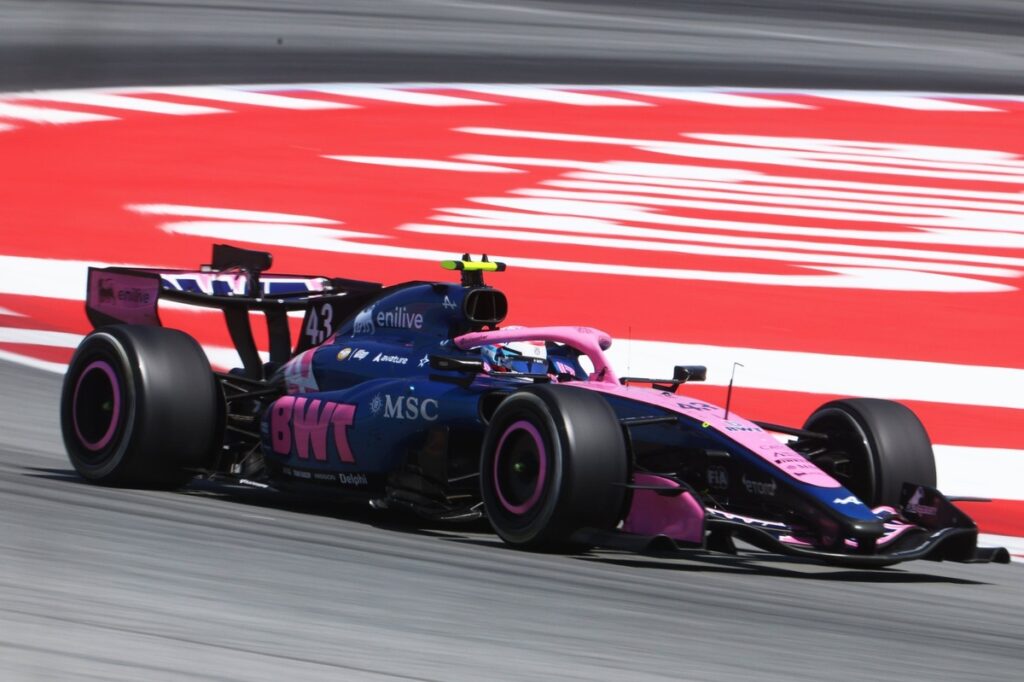
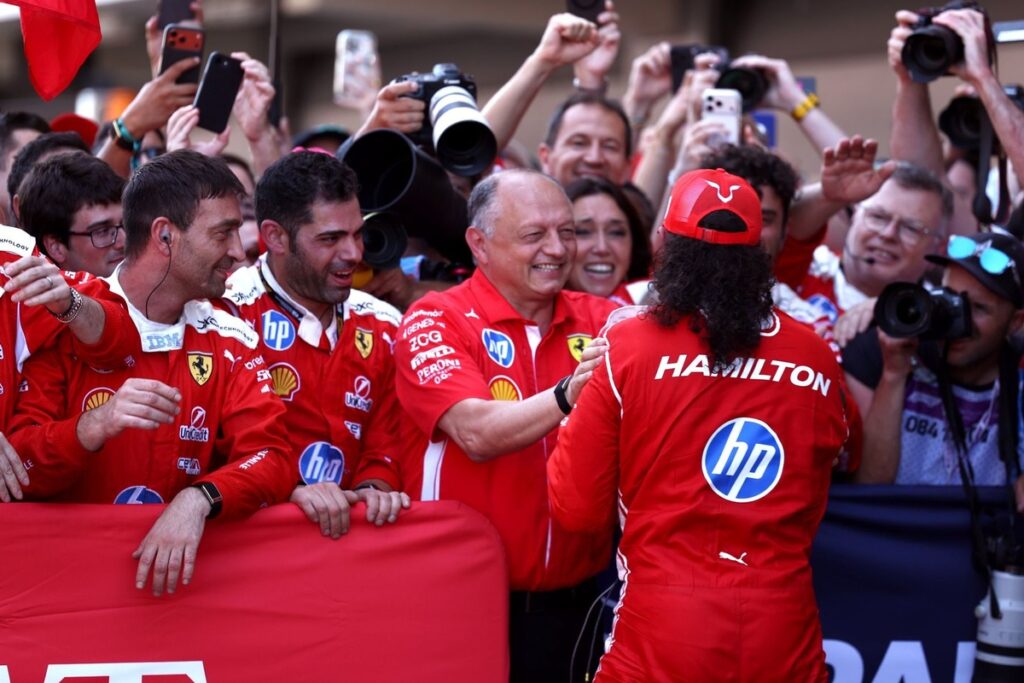
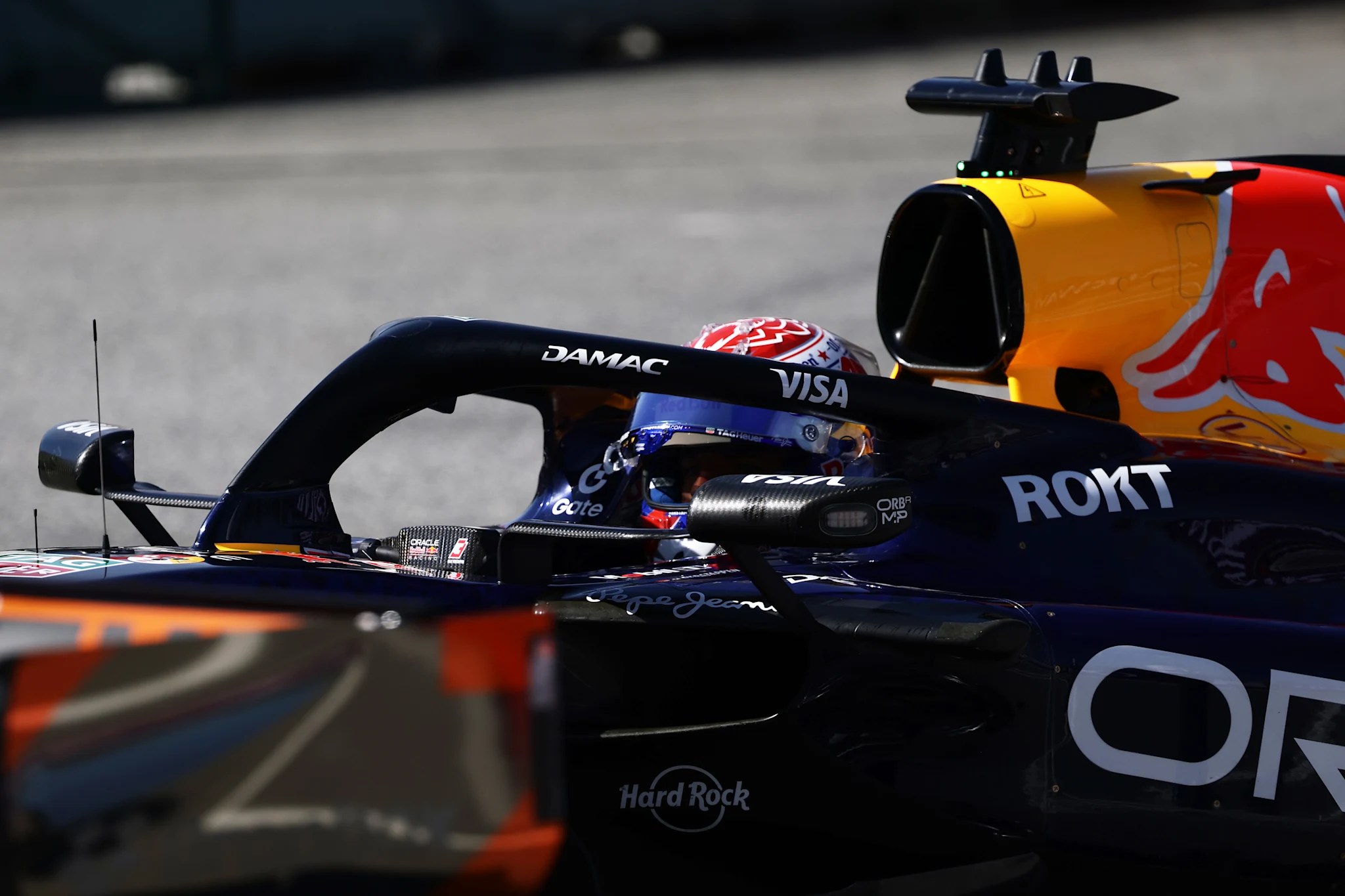
Our expert betting writers put together a five-leg Bet Builder for the Barcelona GP, anchoring it around two podium finishes and a top-six result. As the dust settled on the Circuit de Catalunya, the podium visuals delivered exactly the kind of helmet and livery spectacle that makes full-size 1:1 collector replicas worth owning.
Key Takeaways
Our five-leg Bet Builder centred on two specific podium finishes and one top-six result, giving the build structural discipline rather than scatter-gun picks.
The Circuit de Catalunya’s 66-lap race distance made tyre strategy a decisive factor, shaping which drivers were positioned for podium glory in the closing stages.
Barcelona’s podium produces some of the most photographed helmet and livery combinations of the season — display-worthy moments that translate directly into collector replica demand.
A full-size 1:1 display replica captures the exact livery and visor colour a driver wore on the day, freezing a race result into a permanent exhibition piece.
Building the Five Legs: What Our Writers Were Looking For
Constructing a Bet Builder with five legs is less about optimism and more about understanding race structure. Our expert writers approached the Barcelona GP with a clear hierarchy: two podium-finish legs formed the spine, one top-six finish provided a safety layer, and two additional legs built around expected race patterns completed the card.
The Circuit de Catalunya — a 4.657-kilometre layout that has hosted the Spanish Grand Prix since 1991 — places enormous stress on rear tyres through Turn 3 and the long exit onto the main straight. That tyre behaviour heavily influences which drivers can hold position in the final 20 laps of a 66-lap race, and it was central to every leg our writers selected.
The reasoning behind anchoring a Bet Builder on podium finishes rather than race wins is straightforward: a win gives you one outcome, a podium gives you three. When combined across two separate drivers, the probability mathematics shift meaningfully in your favour while still demanding genuine analytical work. A lazy accumulator this was not.
Why Podium Liveries Matter Beyond the Result
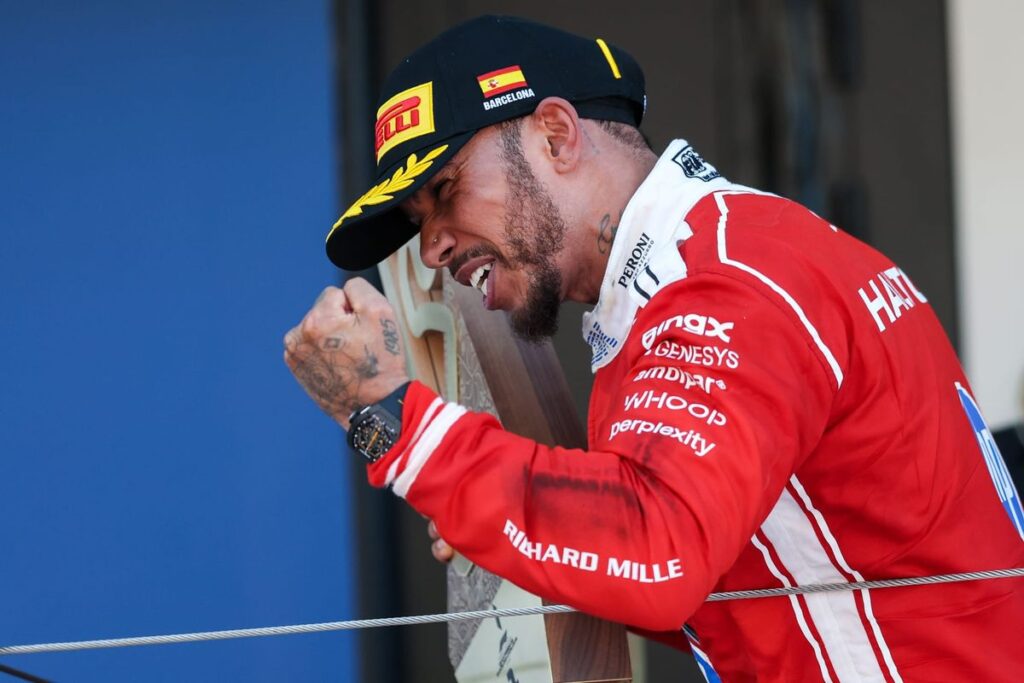
There is a secondary reason our team gravitates toward podium legs when writing race-focused content: the visual. Drivers who finish first, second, or third spend the longest time stationary on the grid, on the cool-down lap, and on the podium itself. Television directors linger. Photographers close in. The helmet — that single most personal piece of a driver’s identity — gets its best exposure of the weekend at exactly that moment.
For collectors, that moment is the reference point. When a full-size 1:1 replica sits in a display case, it represents a specific race, a specific result, a specific image burned into the memory of anyone who watched. Barcelona’s podium has produced some of the most recognisable helmet visuals of the modern era, and the 2025 edition was no different.
Leg 1 & Leg 2: The Two Podium Picks
Our writers selected their two podium finishes based on qualifying pace, historical circuit performance, and tyre-management track record at a venue where the asphalt temperature routinely exceeds 48 °C on a June afternoon. Those surface conditions matter because they dictate compound choice and the pace degradation curve each team must plan around across all 66 laps.
The first podium pick was grounded in pole-to-podium conversion rates at Catalunya. Historically, the Circuit de Catalunya has one of the higher pole-to-win conversion rates on the calendar, meaning front-row qualifiers tend to stay near the front. A driver starting from P2 with strong race pace and a team capable of executing an undercut on lap 22–25 was the target.
The second podium pick was more contrarian. Our writers identified a driver who had finished in the top four at Barcelona in each of the previous two seasons and whose car showed particularly strong pace in the medium-speed corners of Sectors 1 and 2 — the sectors that define overall lap time at this circuit. Betting against that kind of circuit-specific consistency requires strong evidence, and there was none on the grid that weekend.
What the Podium Tells a Helmet Collector
A podium finish at Barcelona is a data point with permanence. The 2025 Spanish GP is locked into the record books. The helmet a driver wore that day — its exact colour scheme, sponsor decals, visor strip width, and paint layer sequence — is fixed in time. Exhibition-quality replicas built to 1:1 full-size dimensions translate that fixed moment into something tangible.
For context on scale: a standard full-face F1 helmet replica measures approximately 27 × 35 cm at its primary dimensions and typically weighs around 1.45 kg in display-grade composite construction. Those dimensions mirror the on-helmet experience that camera lenses captured from the Barcelona podium stage, at 1:1 fidelity.
Leg 3: The Top-Six Insurance Pick
Every well-constructed Bet Builder needs a leg that functions as a structural anchor — one where the probability is meaningfully higher than the podium legs while still contributing odds to the overall return. Our writers chose a top-six finish for a driver whose qualifying pace had placed them between P5 and P8 across the four most recent Barcelona race weekends.
The logic is clean: a driver who qualifies in that P5–P8 band at Catalunya almost always finishes inside the top six unless a mechanical failure or first-lap incident intervenes. The circuit’s narrow overtaking windows — the main straight DRS zone and the braking area into Turn 1 — mean positions change less dramatically here than at circuits like Monza or Bahrain. Positions tend to be earned and held.
This leg also served a psychological function within the build: it kept our writers honest. Anchoring two legs on podium finishes requires confidence. Adding a top-six pick that demands almost the same level of performance from the car keeps the overall build grounded in real race analysis rather than wishful accumulator thinking.
Top-Six Finishes and the Livery Spectrum
P4 through P6 are interesting positions for helmet and livery display purposes. Drivers in those positions still complete the cool-down lap alongside the podium finishers, appear prominently in post-race interviews, and their helmets are frequently featured in official team photography released in the 48 hours following the race. For collectors building a Barcelona 2025 display set, positions 4–6 offer genuine visual references without requiring a podium result.
Legs 4 & 5: Rounding Out the Build
The final two legs of our Bet Builder addressed race patterns rather than finishing positions. These are the legs that separate a considered five-part build from a simple podium accumulator, and they require a different kind of research: lap chart analysis, pit stop window data, and safety car probability at a circuit with an 18-corner layout and a historically moderate safety car frequency.
Leg 4 targeted a specific driver to record the fastest lap in the race. Fast-lap attempts at Barcelona typically come in the final three laps from a driver who has already pitted for a fresh set of soft tyres — a team that has the race result secured and can afford the small strategic cost. The circuit’s long Sector 2, featuring the iconic Turn 9 right-hander that tests rear stability at over 240 km/h, rewards cars with strong mechanical grip, and our writers identified one team whose straight-line and cornering speed data pointed clearly in that direction.
Leg 5 addressed first-lap positioning. The run from the grid to Turn 1 at the Circuit de Catalunya is approximately 700 metres, one of the shorter distances on the calendar. That compressed braking zone rewards drivers with sharp reaction times and cars with strong stopping power. Our fifth leg picked a specific driver to gain at least one position on the opening lap — a pattern that had occurred in four of the driver’s last five Catalunya starts.
The Race as Visual Narrative
Watching a 66-lap race through the lens of a Bet Builder changes how you observe it. Lap 22 is not just lap 22 — it is the point at which an undercut window opens. The final lap is not a formality — it is where fastest-lap attempts happen and where your fifth leg either lands or doesn’t. That granular engagement with the race is also, interestingly, how helmet collectors engage with specific designs: not as generic objects, but as artefacts tied to specific moments within a specific 90-minute window on a specific June afternoon in Barcelona.
Barcelona Podium Aesthetics: Why This Race Produces Display-Worthy Moments
The Circuit de Catalunya podium is one of the most visually distinctive on the calendar. The backdrop — a grandstand that holds over 140,000 spectators across the full venue — creates a compression effect in photography that makes helmet colours and livery details exceptionally sharp in post-race imagery. It is one of the few circuits where the podium is framed tightly enough that individual helmet design elements are legible in standard broadcast photography.
The Spanish GP traditionally takes place in late May or early June, meaning afternoon light in Barcelona is long, golden, and directionally low — the kind of natural light that makes metallic paint finishes on helmets glow and carbon-fibre weave patterns visible under the clear dome visor. A visor thickness of around 3 mm on display replicas replicates that optical layer, giving the same reflective quality when light hits the shell at the correct angle.
For collector purposes, Barcelona also tends to be a round at which teams release updated liveries or special edition helmet designs. The European leg of the calendar has historically been a moment for sponsors to activate, meaning the visual complexity on the podium at Catalunya is often higher than at earlier flyaway rounds. That complexity translates directly into display value: more detail means more to look at, more to appreciate, and a more distinctive presence in a collection.
Five Legs, One Display Case
There is a satisfying symmetry between a five-leg Bet Builder and a five-helmet display case. Each leg represents a judgment call, a reading of the race, a moment of analytical commitment. Each helmet in a collection represents the same thing: a decision that this race, this driver, this design was worth preserving at full 1:1 scale. The Barcelona GP, with its two podium picks anchoring the build, gave our writers — and collectors — exactly the visual material worth keeping.
From Race Data to the Display Case: The Collector’s Takeaway
Our five-leg Bet Builder was designed around structure: two high-probability podium legs, one top-six anchor, one fastest-lap pick, and one opening-lap positioning call. The same structural thinking applies to building a helmet collection. You do not acquire randomly. You acquire with reference points — specific races, specific drivers, specific results that mean something precise rather than something general.
The 2025 Spanish GP at the Circuit de Catalunya ran its full 66-lap distance on a circuit that has been part of the F1 calendar since 1991. The podium it produced sits permanently in the record books. The helmets worn on that podium — or replicated at 1:1 full-size in exhibition-quality display form — are objects that carry a specific date, a specific result, and a specific visual identity that no subsequent race can alter.
That is what separates a display replica from decoration. It is not an approximation of something. It is an exact-scale, full-size representation of an object that existed at a documented moment in a documented race. Our Bet Builder picked two podium drivers at Barcelona. A collector who builds their display case with the same discipline will end up with something worth looking at for considerably longer than a single race weekend.
Display and collector replicas only. Not certified for protective use. Full-size 1:1 scale.
“The Barcelona podium is one of the few places on the calendar where helmet design is genuinely visible to a broadcast audience of millions — the light, the backdrop, the static camera angles all work in favour of the visual detail.”
— 123Helmets.com Editorial Team
“A five-leg Bet Builder requires the same discipline as a serious collection: you pick with reasons, not habits, and every leg has to earn its place in the build.”
— 123Helmets.com Expert Betting Writers
FAQ
Q: What is a five-leg Bet Builder in the context of an F1 race?
A five-leg Bet Builder combines five individual betting selections from a single race into one combined wager. For the Barcelona GP, our writers used two podium-finish legs, one top-six finish, one fastest-lap pick, and one opening-lap positioning call, each requiring its own analysis of the 66-lap race.
Q: Why does the Barcelona GP produce strong helmet display moments for collectors?
The Circuit de Catalunya podium is framed by dense grandstands, and the June light in Barcelona — long, directional, and golden — catches metallic paint finishes and visor surfaces in a way that makes helmet designs exceptionally visible in broadcast and photography. Teams also frequently introduce updated liveries for the European leg of the calendar, adding visual complexity.
Q: What are the physical dimensions of a full-size 1:1 F1 helmet display replica?
A standard full-face F1 helmet display replica measures approximately 27 × 35 cm at its primary dimensions and typically weighs around 1.45 kg in display-grade composite construction. These are exhibition-quality collector pieces, not certified for any protective or road use.
Q: How does a podium finish at Barcelona connect to collector replica value?
A podium finish is a fixed, documented event. The helmet a driver wore on the Barcelona podium on a specific date carries a permanent reference point in the race record. A 1:1 full-size display replica built to match that exact design — colour scheme, sponsor placement, visor strip — gives collectors an object tied to that specific moment rather than a generic approximation.
Q: Are the F1 helmet replicas on 123Helmets.com suitable for wearing or racing?
No. All items at 123Helmets.com are display and collector replicas only. They are full-size 1:1 scale exhibition pieces. They carry no safety certification — no FIA, Snell, ECE, or DOT rating — and are not suitable for road use, track use, or any protective purpose. They are designed exclusively for display and collection.
Browse F1 Helmet Collection
Display and collector replicas only. Not certified for protective use. Full-size 1:1 scale.