
Blog
Canadian GP Upgrade Count: Every Team’s Montreal Package Decoded
 123Helmets Editorial Team
Canadian GP Upgrade Count: Every Team’s Montreal Package Decoded
The Canadian Grand Prix has always been a strategic checkpoint in the Formula 1 calendar — a low-downforce, brake-punishing circuit where teams traditionally roll out their first major upgrade packages of the European stretch ahead. This year’s Montreal weekend produced a fascinating spread of development paths, with some teams pouring resources into the floor, others reshaping sidepods, and a few quietly tweaking suspension geometry. For collectors who track every visual evolution on the cars and the helmets that crown them, this race delivered a treasure trove of display-worthy moments. Here is the full breakdown of who brought what — and what it tells us about the championship narrative heading into the heart of the season.
Key Takeaways
McLaren and Ferrari led the upgrade count in Montreal with multi-component packages targeting floor and aero efficiency.
Mercedes focused on cooling and rear-end stability, a subtle but visually distinct change for livery collectors.
Red Bull arrived with a conservative single-element update, signalling confidence in the existing platform.
Helmet liveries from the Canadian round produced standout designs ideal for full-size 1:1 display replica collections.
The Upgrade Landscape Entering Montreal
The Canadian Grand Prix occupies a unique slot on the calendar. Sandwiched between the European opener in Imola, the glamour of Monaco, and the long-haul stretch into Spain and Austria, Montreal is often where teams reveal whether their early-season trajectory has real legs or whether a corrective package is needed. The Circuit Gilles Villeneuve, with its long straights, heavy braking zones, and chicane-heavy layout, also acts as a stress test for any new floor, wing, or cooling concept.
This year, the FIA submission sheets logged a particularly busy weekend. Across the ten teams, dozens of individual updates were filed — ranging from full-scope aerodynamic overhauls to circuit-specific tweaks designed purely for the unique demands of Montreal. For enthusiasts who collect 1:1 helmet replicas and follow the visual evolution of the sport, the weekend was a goldmine: fresh liveries on cars, fresh visor tear-offs strewn across parc fermé, and a paddock buzzing with debate about who had genuinely moved forward.
Why Montreal Matters for Development
Engineers love Montreal because it punishes any car with weak straight-line efficiency or unstable braking platforms. A team that cannot get its kerb-riding right at the final chicane will haemorrhage lap time, and any cooling deficiency will be exposed on the long blast down to turn ten. That is why the upgrade count here is often a leading indicator of summer form.
McLaren and Ferrari: The Heaviest Hitters
McLaren arrived in Canada with the most full upgrade package on the grid. The Woking squad introduced a revised floor with reshaped edge wings, new floor fences, and a subtly modified diffuser exit. The team also brought a tweaked beam wing optimised for the low-downforce demands of the circuit. The papaya livery — already one of the most photographed on the grid — picked up new sponsor placements that have made the latest specification a particularly attractive subject for display-quality scale models and helmet replica pairings.
Ferrari was not far behind in upgrade volume. The Scuderia logged updates to the floor body, the floor edge, and the front wing endplates, all aimed at recovering downforce lost in the high-speed sections while improving the car’s behaviour over the kerbs. The classic Rosso Corsa paint scheme remained untouched, but the helmet designs from both drivers offered fresh details that collectors of full-size 1:1 replicas will want to study closely.
The Collector’s Angle
For those building a display collection, the Canadian weekend produced a remarkable visual contrast between the two front-running constructors. The papaya-and-blue McLaren helmets stood out against the Montreal grandstand backdrops, while the Ferrari pairings showcased the timeless red livery against the river-island setting. Both make excellent reference points for exhibition-quality replica selection.
Mercedes, Red Bull and Aston Martin: Measured Steps Forward
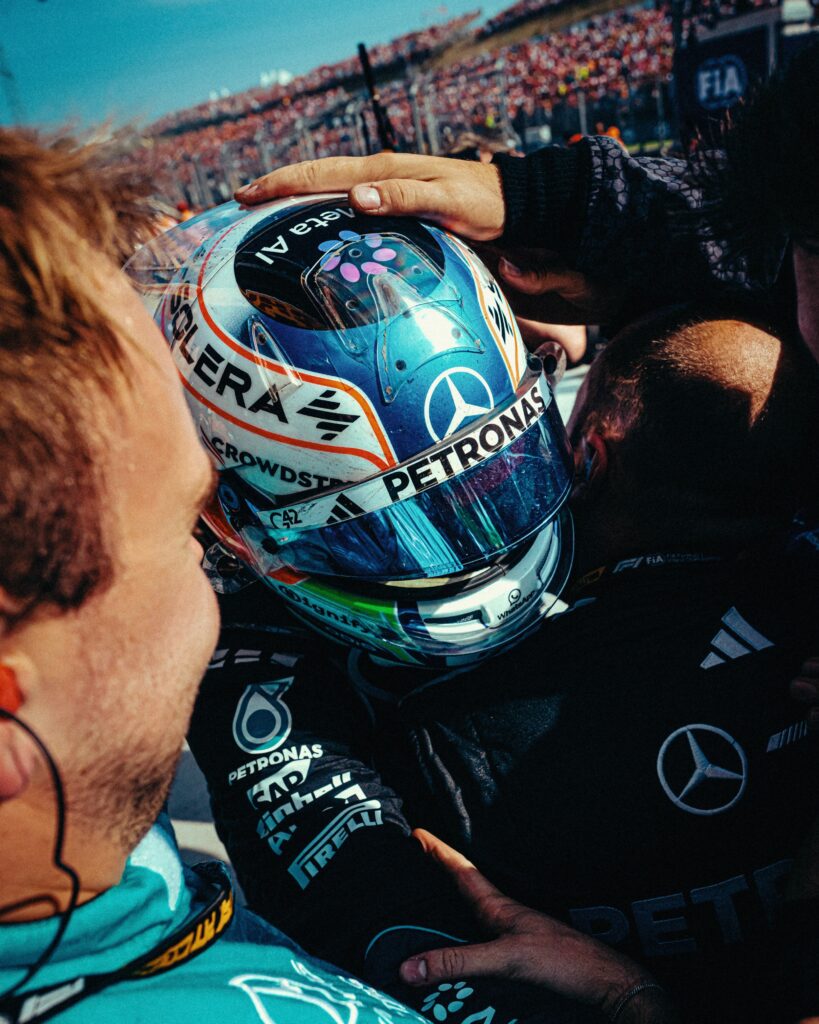
Mercedes brought a more focused package to Canada, prioritising rear-end stability and cooling efficiency. The Brackley team introduced new cooling louvres on the engine cover and a revised rear corner package designed to manage tyre temperatures more effectively across stint lengths. The silver-and-black livery picked up minor decal refreshes, and the helmet designs continued the team’s tradition of clean, geometric layouts that translate beautifully into display replicas.
Red Bull took the most conservative approach of the top four. The Milton Keynes outfit logged just a single significant update — a refined front wing flap intended to fine-tune the car’s balance through Montreal’s chicanes. The decision reflects a team confident in its existing platform and unwilling to risk disrupting a known quantity. The matte navy livery and the helmet designs of the Red Bull drivers remain among the most sought-after subjects for collector display pieces.
Aston Martin’s Targeted Approach
Aston Martin arrived with a mid-sized package focused on the sidepod inlet geometry and a reshaped floor edge. The British Racing Green livery, paired with the distinctive lime accents, continues to be one of the most striking visual identities on the grid. For collectors, the Aston Martin helmet pairings from Montreal offer a particularly rich set of reference imagery for exhibition-quality replica displays.
The Midfield Battle: Williams, Alpine and RB
The midfield brought a mixed bag of upgrades. Williams introduced a revised front wing and floor edge package, continuing the team’s aggressive development trajectory under its current technical leadership. The white-and-blue livery, already a fan favourite, paired beautifully with the helmet designs of both drivers across the Montreal weekend — making it one of the most photographed midfield subjects of the race.
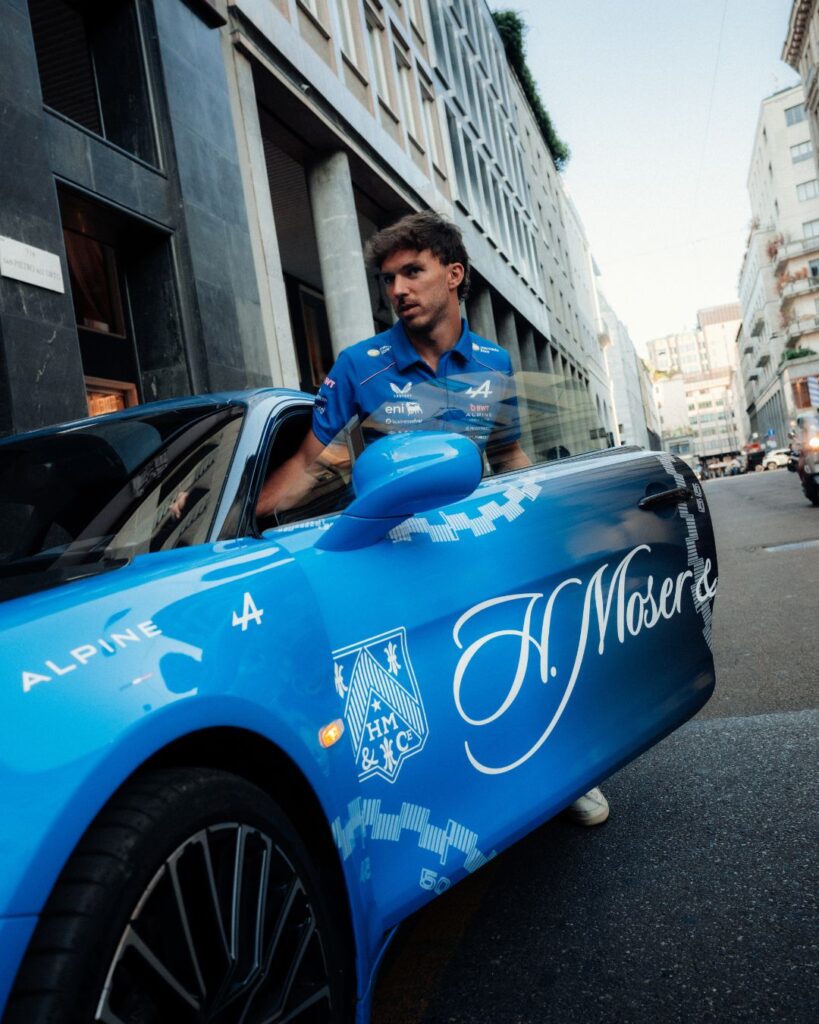
Alpine arrived with a focused update centred on the floor fences and diffuser, aimed at unlocking consistent rear-end grip through the slower sections. The pink-accented blue livery offered strong visual contrast under the Montreal sun, and the helmet designs from the Enstone pairing continued to deliver collector-worthy details.
RB introduced a circuit-specific low-downforce rear wing alongside a modest floor edge revision. The team’s livery, with its distinctive blue-and-white identity, looked particularly sharp under the Quebec lighting conditions. The helmet liveries from this weekend are excellent candidates for any full-size 1:1 display replica focused on the current midfield landscape.
Visual Identity in the Midfield
The midfield often delivers the most creative livery and helmet combinations, and Canada was no exception. Each of these teams brought subtle aesthetic refinements alongside their technical updates, giving collectors fresh visual material to consider when curating an exhibition-quality display.
Haas, Sauber and the Tail-End Strategies
Haas brought a small but meaningful upgrade to Canada, focused on a revised floor edge and a new beam wing. The American team’s livery, with its white-and-red identity, remains one of the cleanest visual packages on the grid — and one that pairs exceptionally well with collector helmet replicas in display settings.
Sauber’s package was the smallest of the weekend, with just a single component update logged. However, the team’s distinctive livery and helmet designs continue to attract collector attention, particularly as the Hinwil squad approaches a major brand transition. Any helmet replica from this era of the team carries significant long-term display value for serious collectors.
Reading Between the Lines
Upgrade volume does not always correlate with performance gain. A single well-targeted update can outperform a multi-component package if the underlying car concept is correct. Montreal’s results sheet will tell the real story, but for collectors focused on visual heritage, every team produced display-worthy material across the weekend.
Podium Visuals and Display Inspiration
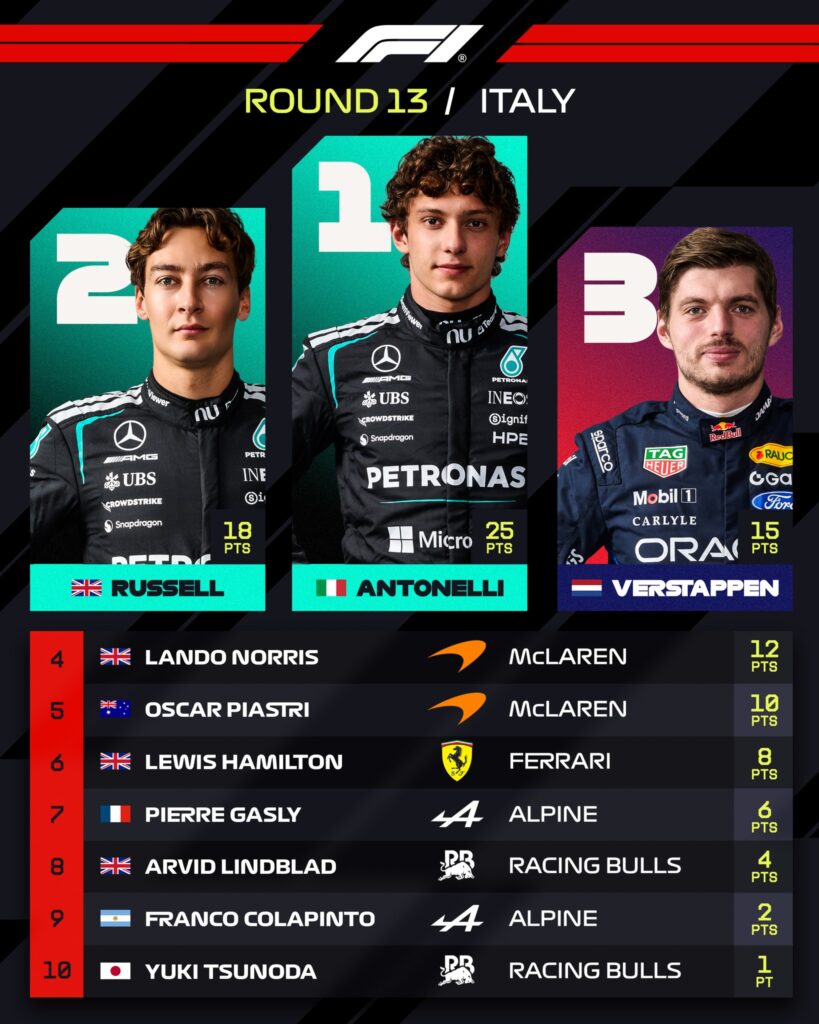
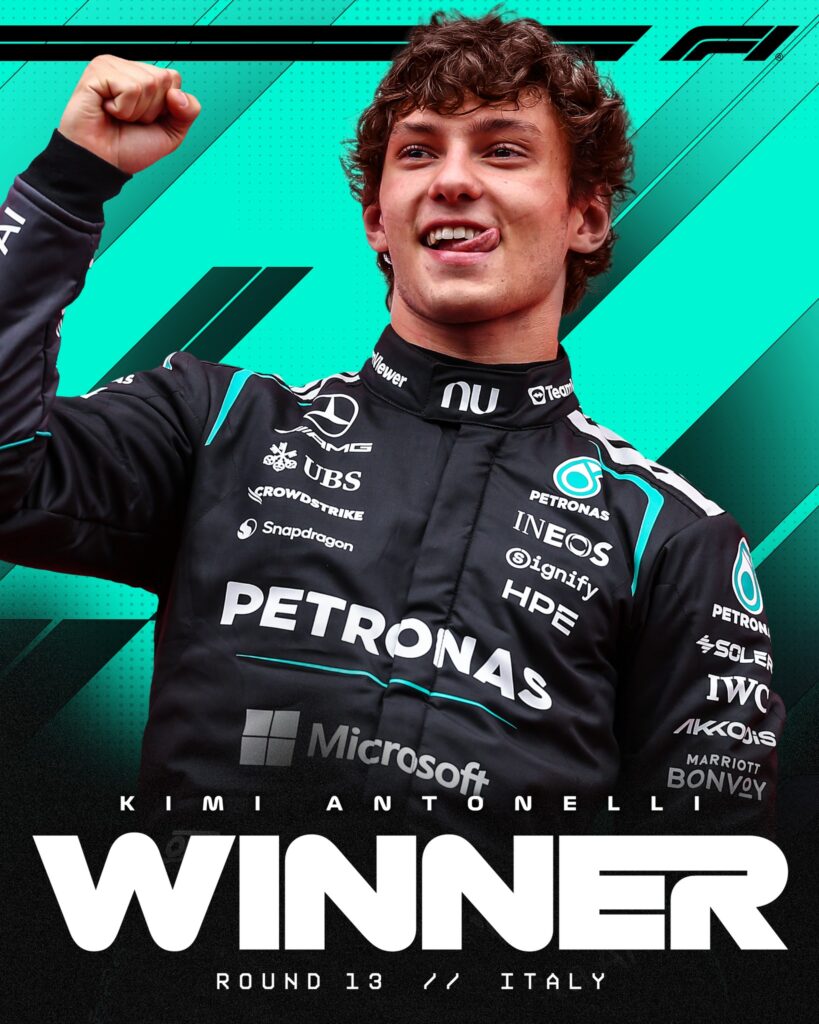
The Canadian podium delivered the kind of imagery that defines a collector’s reference library. The three drivers’ helmets, each with its own distinct livery identity, stood as a snapshot of where the championship sits at this point in the season. For anyone curating a full-size 1:1 replica collection, the Montreal podium is a perfect anchor point — three helmets, three different design languages, and a backdrop steeped in Formula 1 history.
The Canadian Grand Prix has long produced iconic helmet moments, from Gilles Villeneuve’s own designs to the modern era’s increasingly elaborate liveries. This year’s edition continues that tradition, offering exhibition-quality reference imagery for collectors and display enthusiasts alike. Each podium helmet tells a story not just of the race, but of the broader season-long narrative.
Building a Montreal-Themed Display
For collectors planning a Montreal-themed display, the combination of podium helmet replicas with circuit-specific visual context — chequered flags, podium photography, and team livery cards — creates a powerful exhibition piece. Full-size 1:1 replicas anchor such a display, providing the scale and presence that smaller items simply cannot match.
“Montreal is always where development paths reveal themselves. The teams that bring the right package here usually carry that momentum through the summer.”
— Paddock technical observer
FAQ
Q: Which team brought the most upgrades to the Canadian Grand Prix?
McLaren and Ferrari logged the most full upgrade packages, with multiple floor and aerodynamic components introduced across the weekend.
Q: Why is Montreal such an important race for upgrades?
The circuit’s mix of long straights, heavy braking zones, and chicanes acts as a stress test for new floors, wings, and cooling concepts, making it a strategic checkpoint for development.
Q: Did Red Bull bring any major upgrades to Canada?
Red Bull took a conservative approach with just a single significant update — a refined front wing flap — signalling confidence in the existing car platform.
Q: Are 123Helmets replicas suitable for protective use?
No. All helmets offered are full-size 1:1 display and collector replicas only, intended exclusively for exhibition and display purposes. They are not certified for any protective application.
Q: What makes the Canadian Grand Prix interesting for helmet collectors?
Montreal consistently produces strong podium visuals and iconic helmet livery moments, making it a rich source of reference material for building an exhibition-quality 1:1 replica collection.
Browse F1 Helmet Collection
Display and collector replicas only. Not certified for protective use. Full-size 1:1 scale.