
Blog
Race Start Masters: Who Has Gained and Lost the Most Places on Lap One in F1
 123Helmets Editorial Team
Race Start Masters: Who Has Gained and Lost the Most Places on Lap One in F1
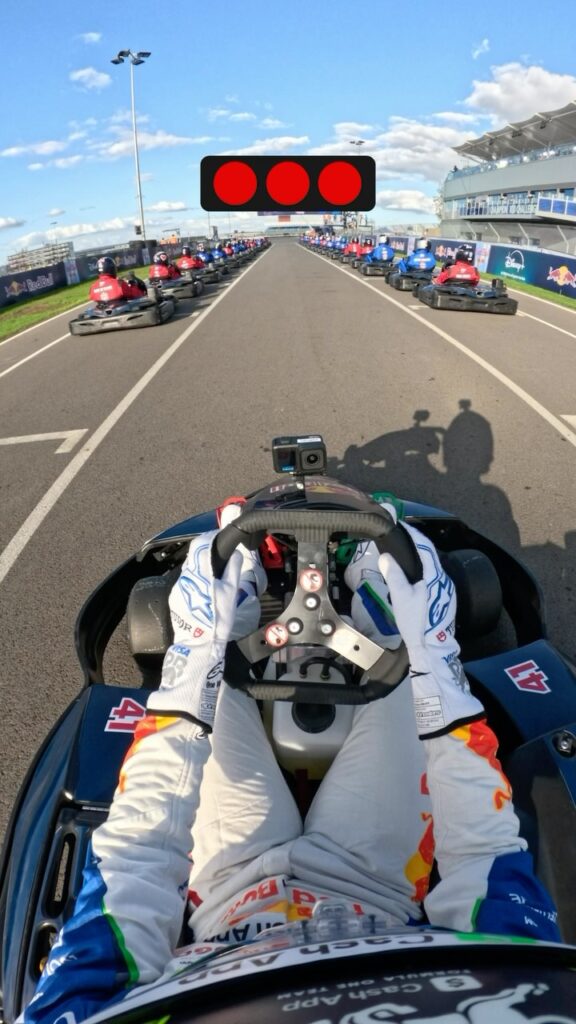
The lights go out, twenty drivers launch toward Turn 1, and within seconds the grid is reshuffled. Some drivers are surgical artists of the opening lap, transforming a midfield slot into a points-paying position before the leaders have even crossed the timing loop. Others, brilliant qualifiers, watch helplessly as the inside line evaporates and a column of rivals streams past. This race-start recap dives into the gainers and losers of recent seasons, with a close eye on the helmet designs and liveries that make those first-corner battles such irresistible display-worthy moments for any collector.
Key Takeaways
Fernando Alonso, Sergio Pérez and Lewis Hamilton consistently rank among the biggest first-lap gainers across modern seasons.
Drivers with strong qualifying pace but weaker race-start traction often top the ‘places lost’ chart, including occasional outings from Lando Norris and Charles Leclerc.
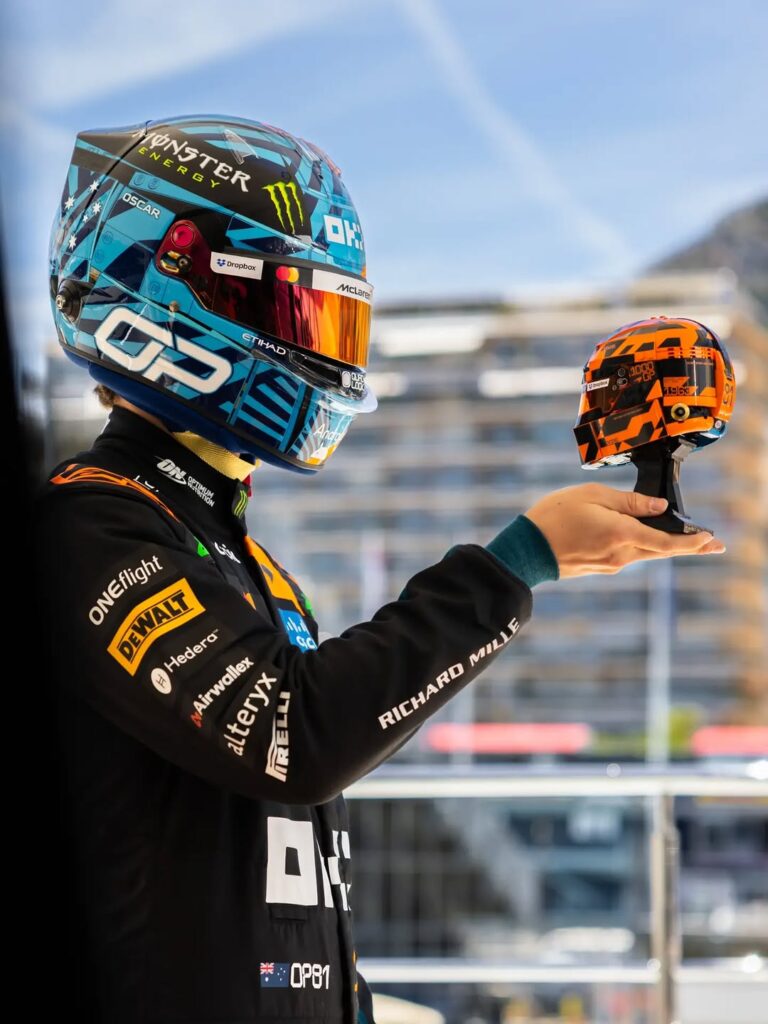
Helmet liveries become instantly identifiable signatures during chaotic Turn 1 sequences, fueling collector demand for full-size 1:1 replicas.
The first lap is now a strategic battleground, blending clutch maps, tyre warm-up, and bravery — a perfect storyline for exhibition-quality display pieces.
The launch phase rewards anticipation more than raw speed, with the best starters reading the grid like a chessboard.
The Art of the Launch: Why Lap One Defines a Driver’s Reputation
Modern Formula 1 grids are separated by hundredths of a second in qualifying, but the opening lap can rearrange a race like a deck of cards thrown in the air. Between the lights going out and the exit of the second corner, drivers can swing four, five, sometimes seven positions — and those swings often dictate the entire afternoon’s strategy.
The art of the launch is a layered discipline. Clutch bite point, throttle modulation, tyre warm-up procedure on the formation lap, anti-stall management, and the courage to commit to a half-gap that may or may not still be there at apex — all of it compresses into roughly six seconds of action. The drivers who consistently nail this phase build reputations that follow them across decades.
Why the Opening Lap Captivates Collectors
For anyone who curates a shelf of full-size 1:1 replica helmets, the first lap is gold. It is the moment when a hundred different liveries are crammed into a single frame, where a yellow Alonso lid sits two metres behind a magenta Pérez crown, and where the cameras find the contrast that turns a still image into a permanent piece of motorsport iconography. These are the snapshots collectors chase — the visual DNA that justifies displaying a replica in a lit cabinet rather than a closet.
The Gainers: Drivers Who Devour the Field on Lap One
Across recent seasons, a handful of names have dominated the ‘places gained at the start’ statistic compiled by FIA timing and independent analysts. Their methods differ, but the result is the same: a regular surge through the midfield within the first 90 seconds.
Fernando Alonso — The Surgical Operator
Few drivers read a grid like the two-time world champion. Alonso’s reputation as a master of the opening lap has been reaffirmed during his Aston Martin era, where strong launches repeatedly converted Q3 fringe positions into clean top-six runs. His helmet — that unmistakable blue, yellow and red Asturian palette — is one of the most photographed lids on any opening lap, and remains a centerpiece in countless collector displays.
Why his starts work
Alonso commits early, picks the gap that opens latest, and uses the brake pedal as a tactical weapon rather than a panic button. The result is often two or three places gained before Turn 1 is even taken.
Sergio Pérez — The Launch Specialist
During his Red Bull tenure, Pérez built a real statistical case as one of the strongest launchers on the grid. Multiple races saw him gain three or more positions in the run to Turn 1, his magenta-and-navy helmet flashing through gaps that looked too narrow on television. The vibrancy of that lid against the matte Red Bull livery makes it one of the most exhibition-worthy combinations of the era.
Lewis Hamilton — The Veteran’s Instinct
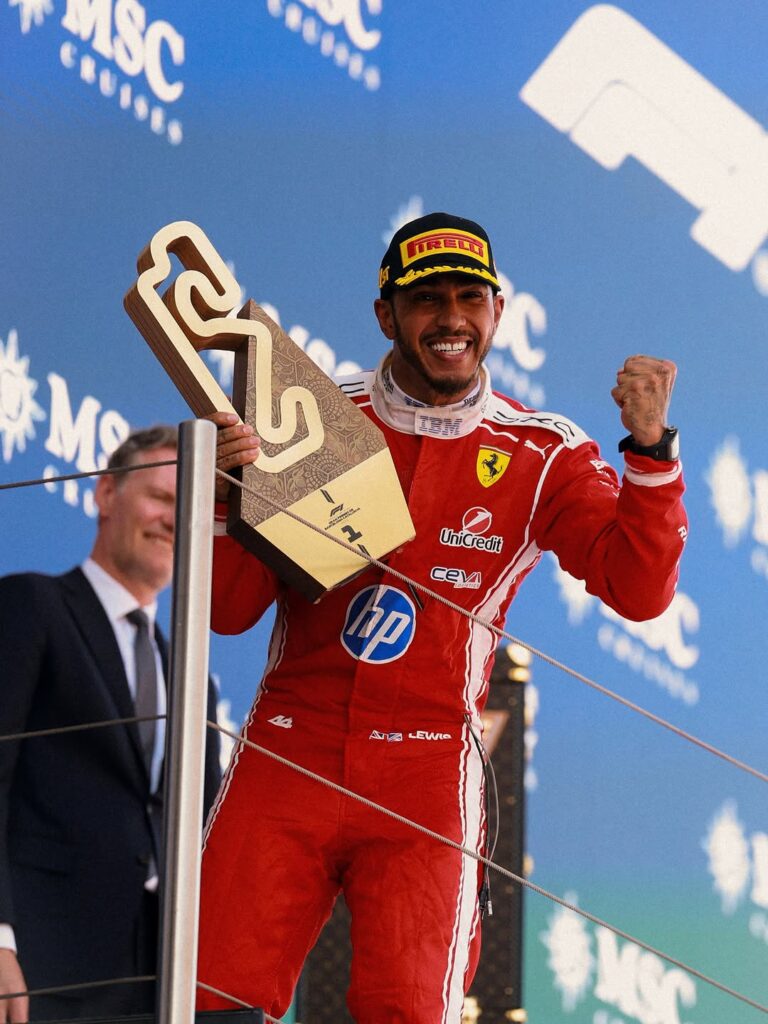
Hamilton’s qualifying form has fluctuated in recent seasons, but his race-start craft has remained elite. From midfield rows he has repeatedly climbed into the top eight before the end of lap one, with his yellow helmet — a signature since karting — leading the eye across the screen. As he transitions to a new chapter at Ferrari, that yellow-on-red contrast is set to become one of the most collected helmet-and-livery pairings in modern F1 display culture.
The Losers: Strong Qualifiers Who Bleed Positions at Lights Out
The flip side of the start chart is often more painful to watch. These are not slow drivers — many are pole contenders — but their launch package, grid slot, or tyre warm-up routine costs them dearly when the lights go out.
Charles Leclerc — The Pole-to-P5 Curse
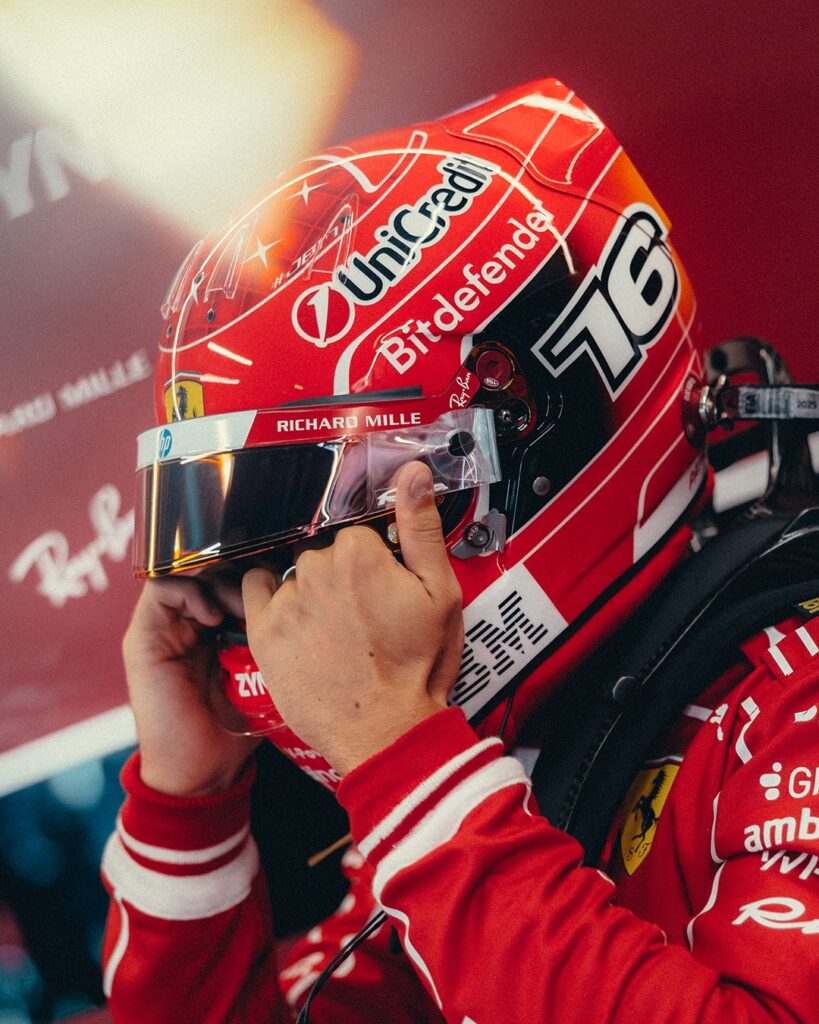
Leclerc’s qualifying brilliance is undisputed, yet several seasons have seen him slip backwards from the front row when others had cleaner getaways. The Monégasque’s red-and-white helmet, with its bold typography, is one of the most distinctive on the grid, and the sight of it being swallowed by darker Mercedes or McLaren liveries on the run to Turn 1 has become a recurring storyline. For collectors, that lid remains one of the standout 1:1 display designs of the modern Ferrari era.
Lando Norris — Qualifying Star, Launch Variable
Norris has produced some of the most jaw-dropping qualifying laps of recent years, yet his starts have at times been the weak link in an otherwise complete package. His helmet — the fluorescent papaya graphics, the personal touches he rotates during the season — is one of the most photographed on lap one, especially when McLaren teammates Oscar Piastri executes a cleaner launch beside him.
Drivers on Dirty-Side Grid Slots
Not every loss is the driver’s fault. Even-numbered grid slots — the so-called ‘dirty side’ at many circuits — historically lose tenths simply because of marbles and reduced grip. Drivers stranded there often appear in the ‘biggest losers’ list through circumstance rather than error, and replays show them being shuffled three or four wide as the field funnels into Turn 1.
Helmet and Livery Focus: The Display-Worthy Moments of Lap One
For the collector community, race starts are a goldmine of reference imagery. A single wide-angle shot of the grid pulling away can capture a dozen iconic helmets in a single frame, each one a candidate for a full-size 1:1 replica display piece.
Iconic Lap-One Frames Worth Framing
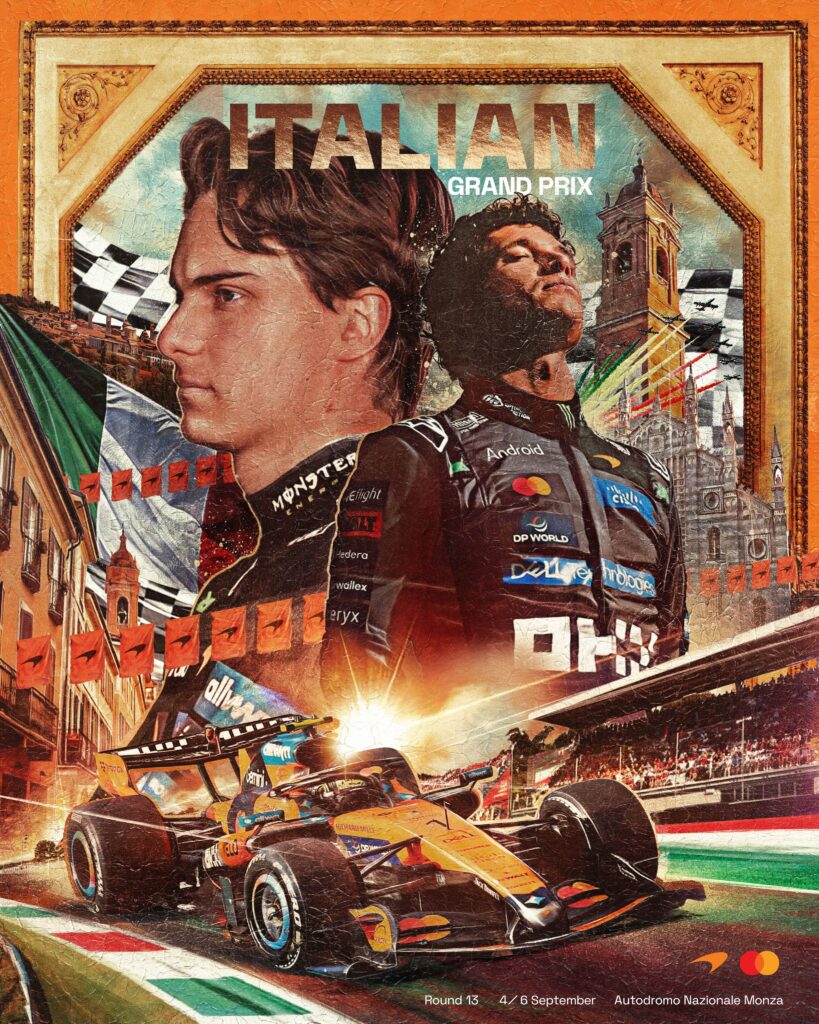
Think of the moments that have defined recent seasons: the multi-car drag race down to Turn 1 at Monza, the wheel-to-wheel triple-abreast at the Red Bull Ring, the chaotic launch into the Suzuka esses. In each, the helmets become the storytelling device — the way you identify a car at 300 km/h when liveries blur into one another.
Why Helmets Steal the Show
Cars change colour scheme almost yearly. Helmets evolve more slowly, anchored by personal heritage. Alonso’s Asturian flag, Hamilton’s yellow, Verstappen’s lion crown, Sainz’s Spanish stripes — these are the constants. That continuity is precisely why exhibition-quality 1:1 replicas have become such a serious collecting category. They preserve the visual identity of an era in a way no diecast car can.
Liveries as Backdrop, Helmets as Headline
The best display setups pair a replica helmet with a tasteful nod to the corresponding livery — a printed backdrop, a shelf colour, a discreet accent light. That contrast is what makes a private collection feel like a small museum rather than a memorabilia pile.
What the Numbers Tell Us: Patterns Behind the Lap-One Chaos
When you aggregate ‘places gained’ and ‘places lost’ over a full season, clear patterns emerge. The biggest gainers are rarely the drivers starting on pole — they cannot, by definition, gain ground. They are the experienced campaigners qualifying P8 to P14, the operators who treat the opening corners as their personal playground.
The Midfield Is Where Reputations Are Made
Drivers like Alonso, Hülkenberg, and at times Gasly and Ocon, have produced eye-catching opening-lap surges from the middle rows. The combination of clean air on the run-up and chaos ahead of them creates a perfect launchpad — provided they have the patience to pick the right gap.
The Front-Row Risk
Front-row starters are statistically the most exposed to losing places, simply because the only direction is backwards. A poor clutch release from P1 or P2 can mean a four-position drop before Turn 2, and several seasons have seen pole sitters fail to lead at the end of lap one. The visual drama — pole-position helmet swallowed mid-pack — is exactly the kind of storytelling moment that makes collector replicas feel alive on a shelf.
The Underrated Role of Formation Lap
Modern launch performance is built on the formation lap. Tyre temperatures, brake bite, fuel-mix settings — all are choreographed in those final corners before the grid forms. The drivers who consistently top the ‘places gained’ chart are usually the ones who treat the formation lap as a precision ritual.
Curating a Lap-One Collection: From Photograph to Display Piece
If you are building a display around the drama of race starts, the goal is not to own every helmet on the grid — it is to curate a narrative. A small cluster of three or four full-size 1:1 replicas, arranged to evoke a specific Turn 1, can carry more emotional weight than a wall of unrelated lids.
Three Curation Ideas for Collectors
- The Gainers Shelf: A trio of replicas representing the era’s strongest starters, arranged in a forward-leaning diagonal to suggest motion.
- The Pole-Position Wall: A single hero helmet from a memorable pole sitter, lit from above, with archival-style printed context cards beneath.
- The Era Capsule: Four to six replicas from a specific season, paired with a printed timeline of that year’s key first-lap moments.
Whichever route you choose, the principle is the same: race starts are theatre, and helmets are the costumes. Treat them with the respect of an exhibition curator and the result is a display that rewards every visitor who stops to look.
“The first lap is the only part of a Grand Prix where everyone is fighting everyone. After that, it becomes mathematics.”
— Paddock observation, modern F1 era
FAQ
Q: Which current F1 driver has the best reputation for gaining places at the start?
Fernando Alonso is widely regarded as one of the most consistent first-lap gainers of the modern era, with Sergio Pérez and Lewis Hamilton frequently appearing alongside him in season-long start statistics.
Q: Why do pole sitters sometimes lose multiple places on lap one?
Pole sitters can only lose ground at the start. A slightly delayed clutch release, suboptimal tyre warm-up, or a ‘dirty side’ grid slot can allow several rivals to slipstream past before Turn 1.
Q: Are these 1:1 helmet replicas certified for any kind of use on track or road?
No. The replicas referenced throughout 123Helmets.com are display and collector pieces only, produced at full 1:1 scale for exhibition-quality presentation. They are not intended for any protective or wearable use.
Q: Why are helmets such a strong focal point during opening-lap photography?
Helmet designs evolve more slowly than car liveries and carry deep personal heritage. In a chaotic Turn 1 frame, the helmet is often the clearest way to identify a driver, which is exactly why collectors prize full-size replicas as display centerpieces.
Q: How should I display a race-start themed helmet collection?
Curate around a story rather than quantity. Three or four replicas representing a specific era’s biggest gainers or a memorable Turn 1, arranged with directional lighting and minimal clutter, will create a far stronger exhibition feel than a crowded shelf.
Browse F1 Helmet Collection
Display and collector replicas only. Not certified for protective use. Full-size 1:1 scale.
This article was written with the help of AI tools. Editorial policy