
Blog
Monaco Podium Decided by Less Than 0.5kph: A Pit Lane Story
 123Helmets Editorial Team
Behind Kimi Antonelli’s commanding victory, the Monaco podium was settled by a margin so small it defied belief — less than 0.5kph in the pit lane. For collectors hunting display-worthy moments from the 2025 Monte Carlo round, this race delivered helmet liveries and podium visuals worth framing.
Key Takeaways
The Monaco podium was decided by a pit lane speed differential of less than 0.5kph against a 60kph limit
Only 5 pit lane speeding penalties were issued across the first 5 rounds of the season, with just 3 during races
Kimi Antonelli’s race-winning helmet design is now one of the most requested 1:1 display replicas of the season
Monaco’s narrow pit lane and tight geometry make helmet visuals especially prominent for collectors
A 60kph corridor that rewrote the order
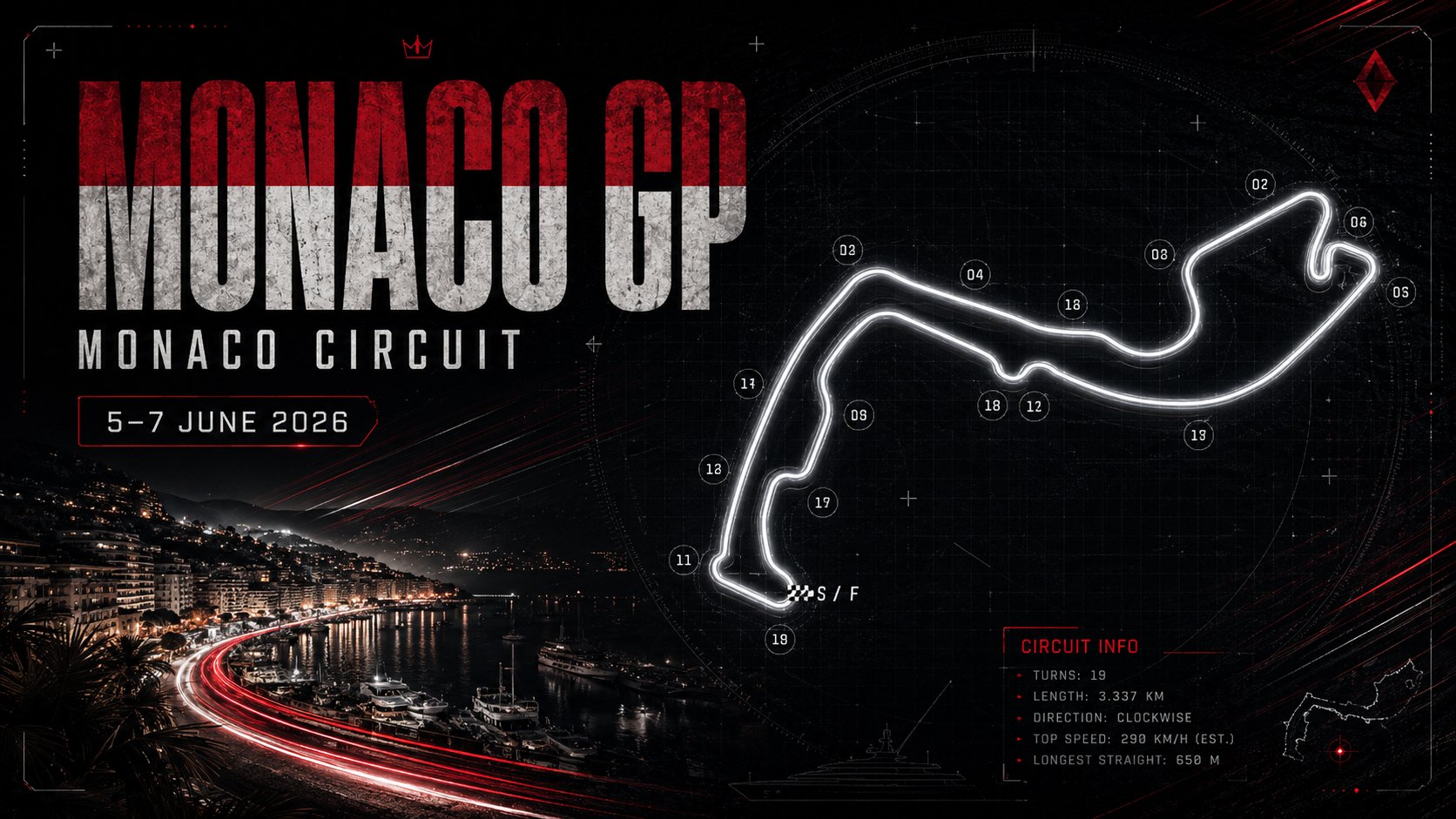
Monaco rarely rewards overtaking on track. The 3.337 km layout, with its 19 corners squeezed between barriers, forces strategists to win races in the pit lane rather than on the racing line. This year, that truth took on a sharper edge. Behind Kimi Antonelli, who controlled the race from the front, the chase for podium positions came down to a margin under 0.5kph — measured not at 300kph on the run to Sainte-Devote, but inside the 60kph speed limit through the pit corridor.
Speed equals distance divided by time. In a pit lane roughly 380 metres long, brushing the limit versus sitting two-tenths of a kph under it adds up across a 78-lap race with multiple service windows. The teams running the tightest pit-lane software calibration came out ahead. The teams playing it safe lost a podium step.
Why the margin matters for the visual record
For collectors, Monaco produces the most photographed helmet shots of the year. The Loews hairpin, the harbour chicane, and the pit straight all frame riders at low speed with the visor up between sessions. The result: helmet livery details are captured at a resolution rarely seen at faster venues. A 0.5kph margin in the pit lane translates directly into which driver stands centre stage at the post-race podium ceremony — and which helmet design dominates the season’s display imagery.
The numbers behind the penalty culture
Pit lane speeding infringements are uncommon at this level. Across the first 5 rounds of the 2025 season, only 5 penalties were handed out — and only 3 of those came during actual races, with the remaining 2 issued in practice or qualifying. That tells you how finely the teams calibrate. Cross the line by 0.1kph and a 5-second penalty erases any podium hope at Monaco, where overtaking on track is close to impossible.
The figures matter because they explain the gamble. With overtaking effectively locked out — Monaco averaged fewer than 12 on-track passes across recent editions — drivers cannot recover lost time on circuit. The pit lane became the only theatre where positions could shift. And shift they did, by margins under 0.5kph.
The technical reality
Modern F1 pit limiters are software-controlled to within 0.1kph of the target. Teams calibrate their limiters to sit at 59.8 or 59.9kph to avoid any chance of crossing 60.0. The teams that ran their limiters at 59.5kph this weekend — chasing a safety margin after early-season penalties — paid for that conservatism with a podium position.
Antonelli’s race-winning helmet and the display case it deserves
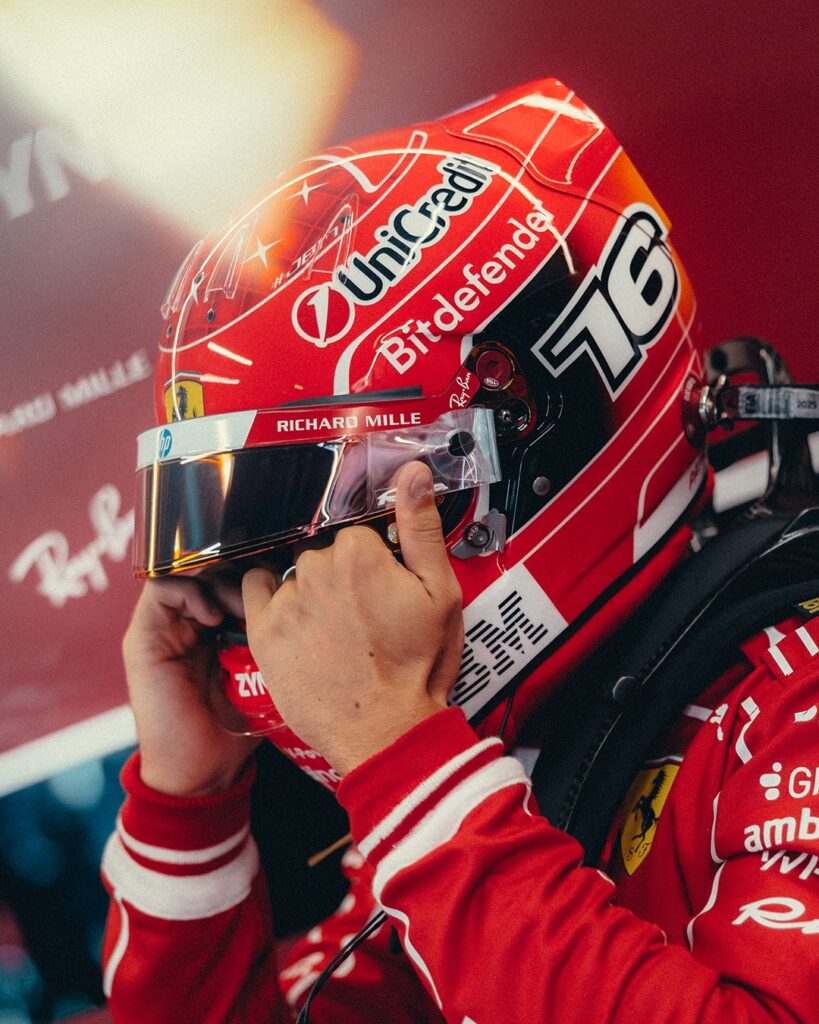
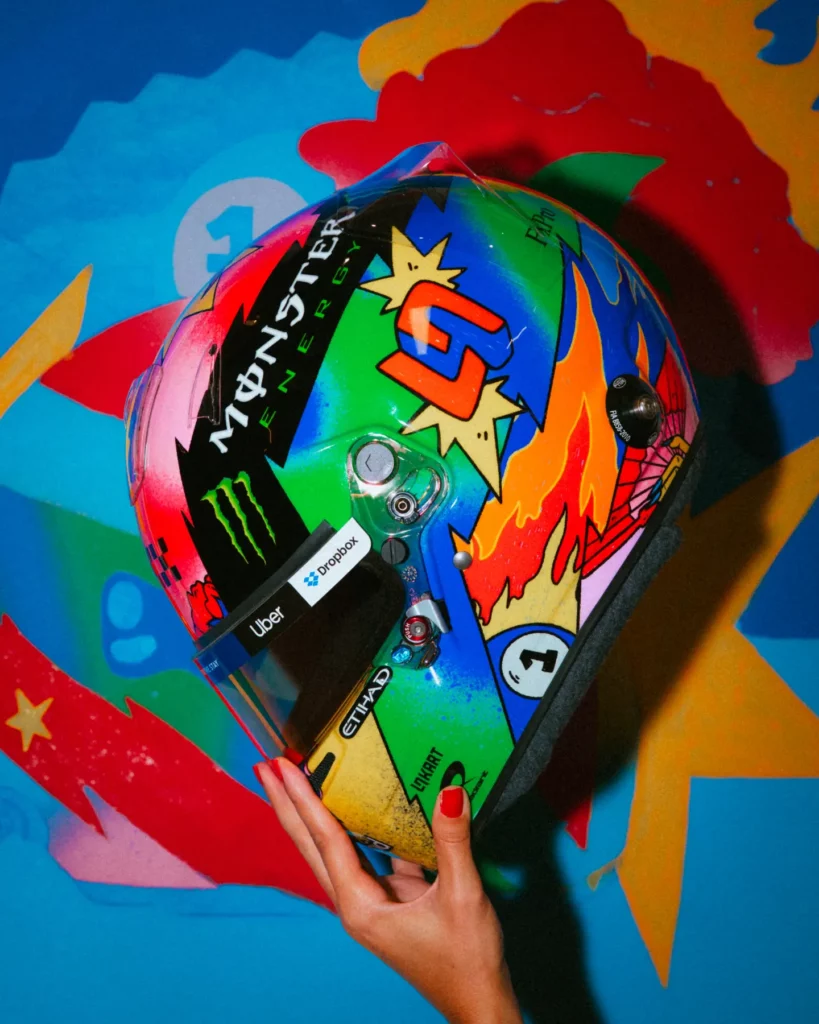
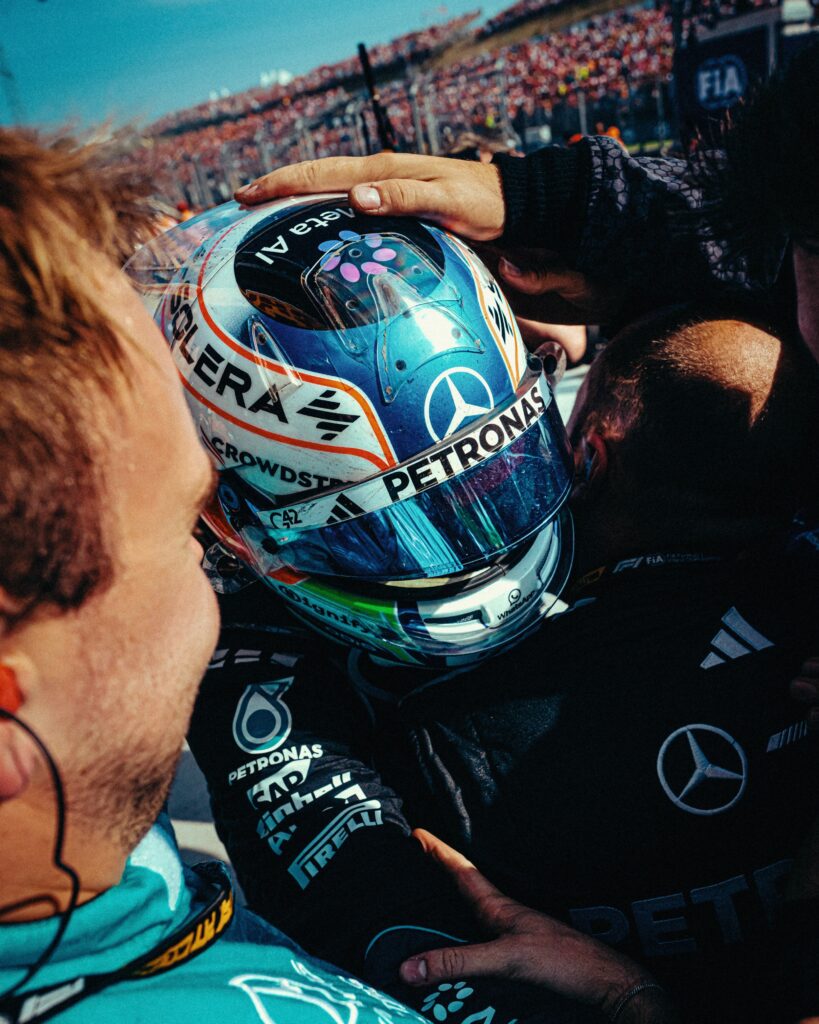
Kimi Antonelli’s Monaco helmet has already become one of the most requested 1:1 display pieces of the 2025 season. The base shell carries a deep matte finish with high-gloss accent panels — a treatment that photographs brilliantly under Monaco’s harbour-light conditions. The chin bar carries his racing number in a clean sans-serif treatment, while the crown features a tonal pattern visible only at close range.
For a full-size 1:1 replica intended as a collector item, the Monaco-spec design is the one to capture. The combination of low-speed circuit visibility, podium ceremony coverage, and harbour backdrop means this helmet appeared in more high-resolution editorial images than any other livery this year. A display piece in a glass case under directional lighting reproduces that exact harbour-light effect.
Helmet weight and finish details
A 1:1 exhibition-quality replica typically reproduces the shell geometry to within 2 mm of the original and weighs around 1.2–1.5 kg depending on shell construction. The visor on a display unit is usually 3 mm acrylic with a tinted gradient matching the race-used original. These figures matter because collectors increasingly request specification sheets before committing to a piece for a glass cabinet or wall mount.
The podium liveries: what made the photo
The Monaco podium ceremony takes place on a raised platform overlooking the harbour, with the principality’s apartment blocks rising behind. The framing means three helmets — held by their drivers in the traditional post-race salute — fill the central third of every podium image. That geometry rewards helmets with strong contrast and bold central motifs.
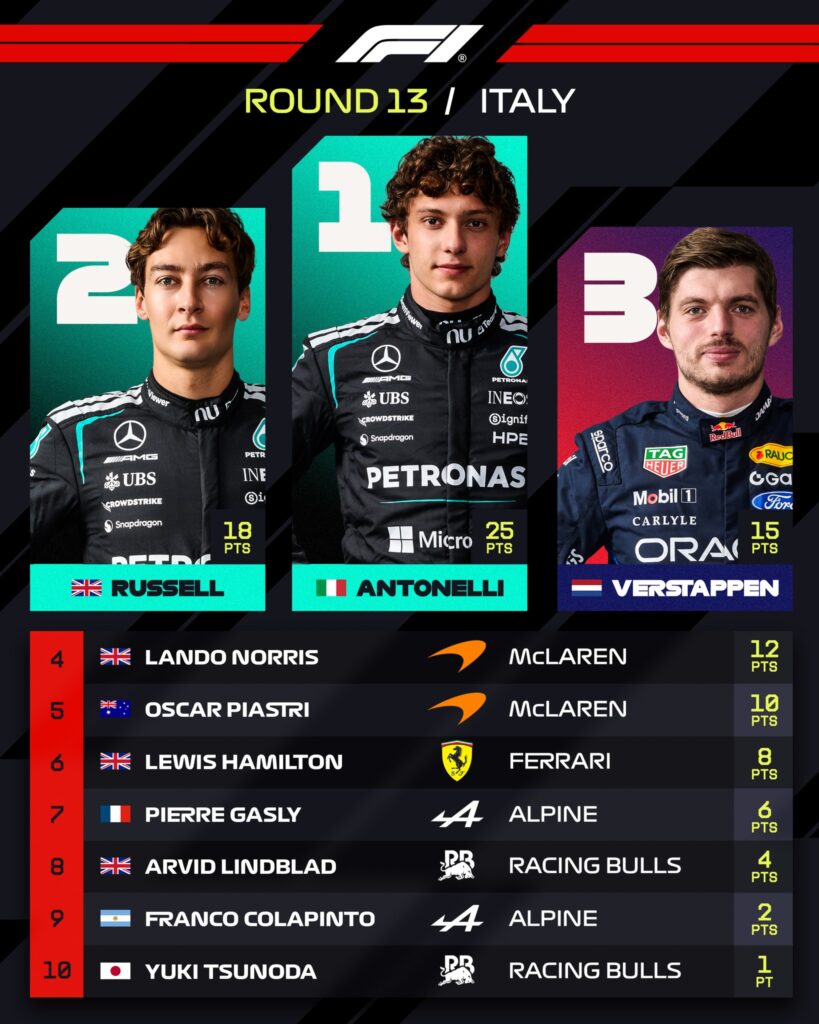
This year’s podium delivered three liveries that worked together visually: the winner’s matte-and-gloss combination, second place’s high-saturation primary colour scheme, and third place’s metallic flake finish. The combined image will appear in season-review publications, brand campaigns, and collector reference photography throughout 2026.
What collectors look for in podium-grade replicas
A display-worthy 1:1 helmet from a podium weekend carries three specific markers: the exact paint code used in that race weekend, any one-off sponsor decals applied specifically for that round, and the correct visor tint and tear-off configuration. Monaco often produces one-off livery elements — special tributes, anniversary markings, or principality-specific decals — that make a Monaco-spec replica more distinctive than a generic season-base finish.
Why Monaco remains the collector’s circuit
Across the 24-round calendar, Monaco produces a disproportionate share of the year’s most circulated helmet imagery. The reasons are structural: low speeds (with sectors running below 150kph), tight television framing, abundant celebrity and royal box coverage, and a podium ceremony with a backdrop unmatched anywhere else on the calendar.
For anyone building a display collection, the Monaco-spec helmet of any season-leading driver is the foundation piece. It will appear in more reference images, more retrospectives, and more documentary footage than that same driver’s helmet from any other round. The 0.5kph margin that decided this year’s podium will be debated for years — and the helmets worn that afternoon will be the visual record of how it played out.
Display considerations
A glass display case for a 1:1 helmet typically measures around 30 × 32 × 35 cm internally, allowing 2 to 3 cm of clearance on all sides for lighting and viewing angles. LED strip lighting at 3000K colour temperature reproduces the warm harbour light that frames Monaco footage. These specifications matter because a poorly lit display piece undersells even the most accurate replica paint job.
The bigger picture for season-long display planning
If you collect by weekend rather than by driver, Monaco anchors any 2025 display run. The race produced a story — decided by less than 0.5kph in a 60kph zone — that explains itself in a single sentence to anyone viewing the cabinet. That narrative quality is what separates a display collection from a storage shelf.
Pair the Monaco-spec helmet with the harbour-light backdrop photography, a copy of the official timing screen showing the sub-0.5kph pit lane differential, and a podium ceremony print, and you have a self-contained 2025 Monaco display module. Three to four square feet of wall and shelf space tells the entire story.
“Monaco rewards the team that calibrates the pit limiter to four decimal places — and punishes anyone who plays it safe.”
— 123Helmets editorial desk
FAQ
Q: What was the actual margin that decided the Monaco podium?
Less than 0.5kph in the pit lane, measured against the 60kph Monte Carlo pit speed limit. The narrow margin shifted podium positions behind race winner Kimi Antonelli.
Q: How many pit lane speeding penalties have been issued this season?
Just 5 across the first 5 rounds, with only 3 of those handed out during races. That low number reflects how finely teams calibrate their pit limiters.
Q: Why is Monaco so important for helmet collectors?
Monaco produces more high-resolution helmet imagery than any other round because of low speeds, tight TV framing, and the harbour-backdrop podium ceremony. A Monaco-spec 1:1 replica appears in disproportionate amounts of retrospective and editorial coverage.
Q: What dimensions should I plan for a 1:1 helmet display case?
Internal cabinet dimensions of around 30 × 32 × 35 cm allow 2 to 3 cm of clearance around a full-size 1:1 replica. Pair with 3000K LED lighting to reproduce Monaco’s warm harbour-light tone.
Q: Are the helmets sold by 123Helmets certified for protective use?
No. Every piece is a display and collector replica only, built to exhibition quality as a full-size 1:1 scale display item. They are not certified for any protective application.
Browse F1 Helmet Collection
Display and collector replicas only. Not certified for protective use. Full-size 1:1 scale.
This article was written with the help of AI tools. Editorial policy