
Blog
Monaco Crash Decoded: Aston Martin Explains the Technical Fault Behind Stroll’s Anthony Noghes Exit
 123Helmets Editorial Team
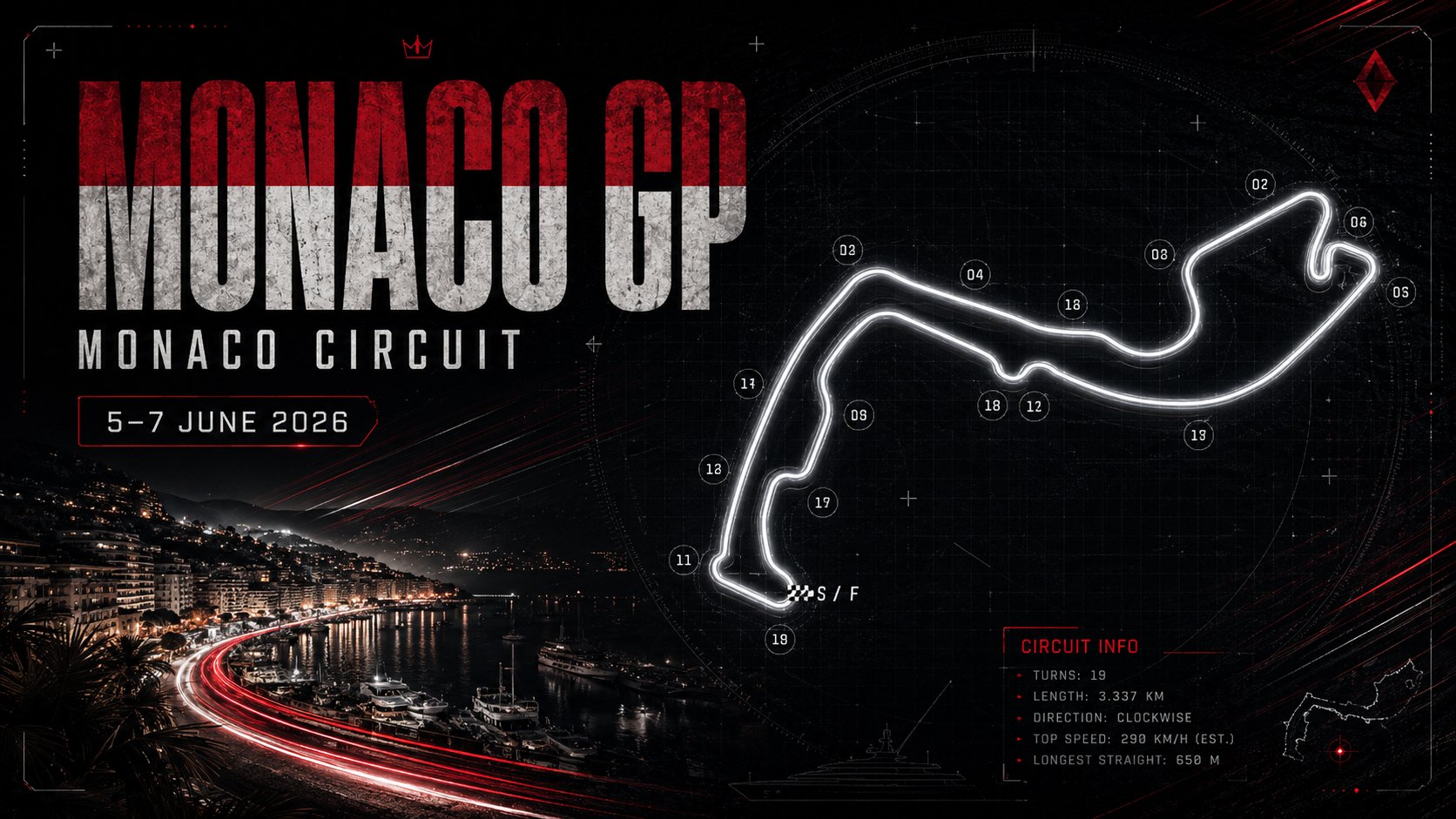
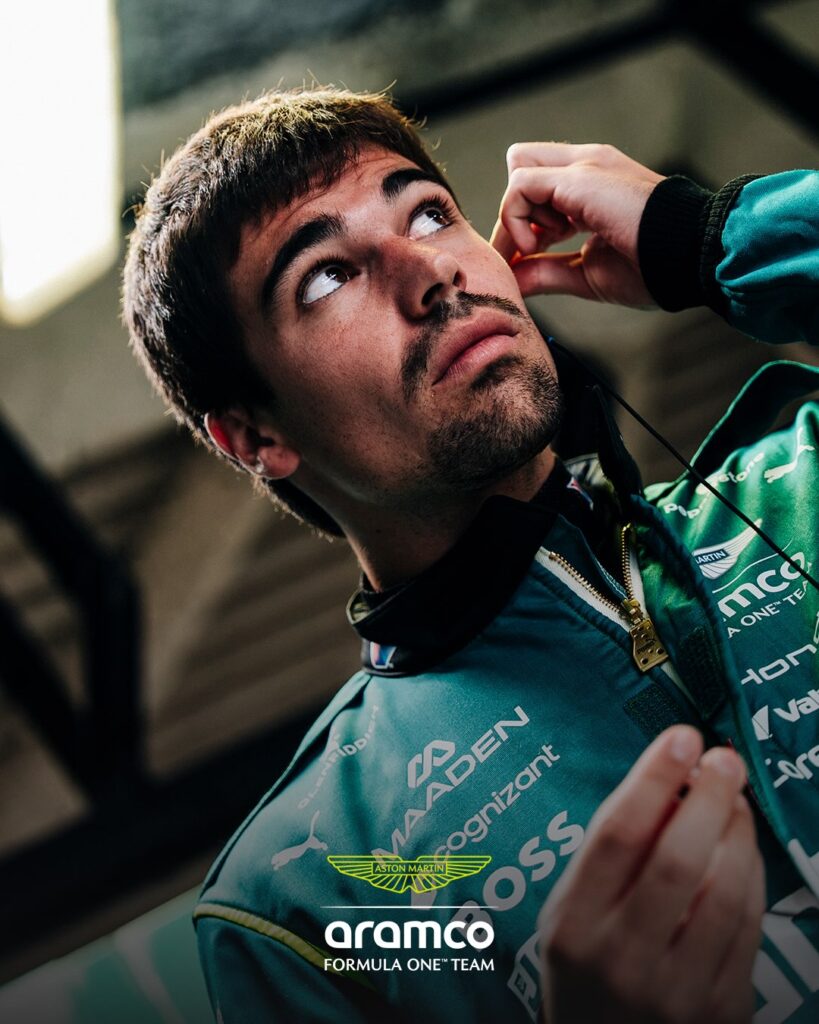
The 2025 Monaco Grand Prix delivered one of the most visually striking weekends of the season for display collectors — and one of the most technically puzzling for Aston Martin. Lance Stroll’s crash at Anthony Noghes on lap 57, followed minutes later by Charles Leclerc’s near-identical incident, raised immediate questions about the patched track surface. Days later, Aston Martin and Honda confirmed the real cause was a powertrain driveability issue that had been quietly affecting both AMR cars all year.
Key Takeaways
Stroll crashed at Anthony Noghes on lap 57 while running 16th, triggering the safety car that preceded Leclerc’s red-flag incident at the same corner.
Aston Martin and Honda confirmed a technical driveability fault — not the patched track surface — as the cause of the accident.
Onboard data showed first-gear engagement with the throttle pedal reading approximately 50% open during the braking phase.
The Monaco weekend produced premium reference visuals of the AMR green livery and Stroll’s maple-leaf helmet design, ideal for 1:1 display replicas.
Lap 57 at Anthony Noghes: what the data showed
Stroll was circulating in 16th place when his Aston Martin AMR speared straight into the outside barrier at the final corner of the Monaco circuit. The contact was hard enough to end his race instantly and bring out the safety car. Moments after the restart, Charles Leclerc lost his Ferrari at exactly the same point, an incident severe enough to trigger a full red flag.
The initial paddock theory was straightforward: the asphalt at Anthony Noghes had been patched after the Historic Grand Prix held one month earlier, and the surface had begun breaking up under the strain of modern F1 downforce loads. Marshals swept the area before the restart, but the timing of two crashes at the same corner pointed many observers toward the track itself.
The radio call that changed the narrative
On the team radio immediately after impact, Stroll was clear about what he had felt through the pedals: “It was like the throttle was just stuck wide open.” Race engineer Gary Gannon’s response — “Yeah we see it in the data, Lance” — confirmed that telemetry matched the driver’s account in real time.
A subsequent overlay released by the team showed Stroll in first gear at the moment of contact, with the throttle pedal reading roughly 50% open during what should have been a full braking phase into the corner.
The Honda driveability problem Aston Martin has carried all season
Stroll’s post-race explanation pulled the curtain back on a complaint that had been brewing inside the team since the opening rounds. “All season we’ve been having engine braking issues,” he said. “Some corners it’s pushing, some corners it’s pulling, and it’s doing different things all the time. So on that particular corner and lap it just pushed me into the wall, like the throttle pedal was 50% open.”
What “driveability” actually means here
The fault sits at the intersection of two systems: fluctuating torque delivery at low revs from the Honda power unit, and a lack of gearbox synchronisation on downshifts. When a driver lifts off and stamps the brake pedal for a slow corner, the internal combustion engine is supposed to contribute to deceleration through engine braking. On the AMR, that contribution has been inconsistent — sometimes the unit pulls as expected, sometimes it pushes the car forward as if the throttle were still partially open.
Fernando Alonso has voiced the same complaint throughout the season. Both drivers have flagged it as the dominant limitation in low-speed sections, which is exactly where Monaco lives. The Loews hairpin, Mirabeau, Rascasse and Anthony Noghes all sit in the speed window where the fault is most exposed.
The oblique reference to driver-engineer disagreement
In confirming the technical cause, Aston Martin and Honda made what reads as a pointed reference to differences of opinion over how the issue should be managed by the drivers in real time. The implication is that engine maps and pedal calibration strategies have been adjusted across the season, but the drivers and the engineers have not always agreed on the trade-offs. Stroll’s verdict was blunt: “Monaco is not the place to have a random downshift problem.”
Helmet and livery focus: collector-grade visuals from the weekend
For display collectors, Monaco is the most photogenic round on the calendar, and the Aston Martin weekend produced strong reference material despite the result.
The Stroll maple-leaf design
Lance Stroll’s 2025 helmet carries his familiar Canadian maple-leaf graphic across the crown, executed in a satin-finish red against a matte black shell. Against the AMR’s British racing green livery, the contrast reads cleanly under Monaco’s harsh Mediterranean light — particularly through the Casino Square chicane sequence where the harbour reflections lift the green to a near-emerald tone. For a full-size 1:1 display replica, this is one of the more demanding paint schemes in the field because the maple-leaf edges have to be crisp from every viewing angle.
The AMR livery in Monaco light
The Aston Martin chassis pairs the deep green base with a lime-yellow accent that runs from the front wing endplates back through the sidepod inlets. In the principality, the green absorbs light while the yellow accents catch the sun on the climb to Massenet — a combination that exhibition-quality replica builders chase when matching colour codes. Even with Stroll out on lap 57, the broadcast footage of the AMR sitting against the Anthony Noghes barrier provided unusually clean rear-three-quarter reference for collectors documenting the 2025 specification.
Aftermath: the red flag, Leclerc, and the surface question
The safety car deployed for Stroll’s car gathered the field, and the restart placed Charles Leclerc into the same corner that had just claimed the Aston Martin. The Ferrari driver’s accident at Anthony Noghes was the trigger for the race red flag, and it reignited debate over whether the patched asphalt was at fault. Aston Martin’s confirmation that Stroll’s incident was powertrain-related does not automatically explain Leclerc’s crash — those are separate investigations — but it does narrow the conversation.
Why the timing matters for the championship
Running 16th, Stroll was not in a points-paying position when he crashed, so the immediate constructors’ damage was limited to repair costs and the loss of a finish. The longer-term concern is competitive: if the Honda driveability fault is genuinely intermittent and unpredictable, both AMR drivers are entering every slow-corner braking zone with a small probability of the same outcome. That is not a sustainable position heading into the Canadian Grand Prix.
Why this weekend matters for replica collectors
Monaco crashes generate a specific kind of collector demand. The combination of the principality backdrop, the helmet-camera footage, and the slow-speed nature of the impact tends to fix particular images in the fan archive. Stroll’s 2025 maple-leaf design photographed against the green barriers at Anthony Noghes is one of those images.
What an exhibition-quality 1:1 replica captures
A full-size collector replica of the Stroll 2025 helmet has to reproduce the maple-leaf graphic at scale, match the satin-versus-matte finish contrast on the shell, and preserve the visor-tape pattern that drivers personalise weekend by weekend. None of these elements are about protective use — they are display details that separate a souvenir from an exhibition piece. The Monaco weekend, despite its abrupt ending for Lance Stroll, provided the kind of high-resolution broadcast and pit-lane footage that replica documentation relies on.
All helmets discussed are display and collector replicas only. Not certified for protective use. Full-size 1:1 scale.
“It was like the throttle was just stuck wide open.”
— Lance Stroll, on team radio after the Anthony Noghes impact
“All season we’ve been having engine braking issues — some corners it’s pushing, some corners it’s pulling. On that particular lap it just pushed me into the wall, like the throttle pedal was 50% open.”
— Lance Stroll, post-race media debrief
FAQ
Q: What caused Lance Stroll’s Monaco crash on lap 57?
Aston Martin and engine partner Honda confirmed it was a technical driveability fault in the power unit — specifically a throttle response and engine-braking inconsistency — not the patched track surface at Anthony Noghes.
Q: What position was Stroll running when he crashed?
Stroll was in 16th place when he went straight into the outside barrier at the final corner on lap 57, ending his race and bringing out the safety car.
Q: Did the same corner cause Charles Leclerc’s crash?
Leclerc crashed at the same Anthony Noghes corner shortly after the safety car restart, which ultimately red-flagged the race. The two incidents are being treated separately — Aston Martin has only confirmed the technical cause of Stroll’s accident.
Q: What does the helmet design on Stroll’s 2025 helmet feature?
Stroll’s 2025 helmet uses a satin-red maple-leaf graphic across the crown on a matte black shell — a clean Canadian identity that contrasts strongly with the Aston Martin British racing green livery in display photography.
Q: Are 123Helmets replicas suitable for track or road use?
No. All helmets sold by 123Helmets are full-size 1:1 collector and display replicas. They are exhibition pieces only and are not certified for protective use of any kind.
Document the 2025 Monaco weekend in your own collection. Browse F1 Helmet Collection — full-size 1:1 display replicas, exhibition quality, built for collectors.
Display and collector replicas only. Not certified for protective use. Full-size 1:1 scale.
This article was written with the help of AI tools. Editorial policy