
Blog
Audi F1 ‘Behind The Curve’ After Miami: Palmer’s Verdict and Hülkenberg’s Display-Worthy Weekend
 123Helmets Editorial Team
Audi F1 ‘Behind The Curve’ After Miami: Palmer’s Verdict and Hülkenberg’s Display-Worthy Weekend
Former F1 driver and respected pundit Jolyon Palmer has delivered a blunt verdict on the Sauber-Audi project following a difficult Miami Grand Prix weekend for Nico Hülkenberg. While the headlines focused on McLaren’s continued dominance, Palmer’s assessment that Audi is ‘behind on the curve’ ahead of its 2026 works entry sparked a wider conversation — one that collectors and visual historians of the sport are already tracking through the evolving liveries and helmet designs emerging from Hinwil.
Key Takeaways
Jolyon Palmer publicly questioned Audi’s readiness, suggesting the Sauber operation is lagging behind rival manufacturer preparations for 2026.
Nico Hülkenberg endured a tough Miami weekend, with the C45 struggling for pace in both Sprint and main race conditions.
Hülkenberg’s matte black and neon yellow helmet remains one of the most collectible visual identities on the 2025 grid.
The Sauber-to-Audi transition is producing a unique window of livery and helmet evolution that display collectors are already documenting.
Palmer’s Verdict: ‘Behind On The Curve’
Speaking in his post-race analysis, Jolyon Palmer did not mince words about the state of the Sauber-Audi operation as it prepares for its full works transformation. The former Renault driver, now one of the more incisive voices in F1 punditry, suggested that the German manufacturer’s preparation timeline appears compressed compared to the runway enjoyed by rival OEMs entering the sport.
Palmer’s argument is rooted in observable competitive data. Sauber spent much of 2024 anchored at the back of the constructors’ standings, and while 2025 has shown sporadic flashes — particularly in qualifying conditions that suit Hülkenberg’s experience — the underlying race pace remains a structural concern. Miami amplified those concerns under the unforgiving Florida heat.
Why Miami Matters
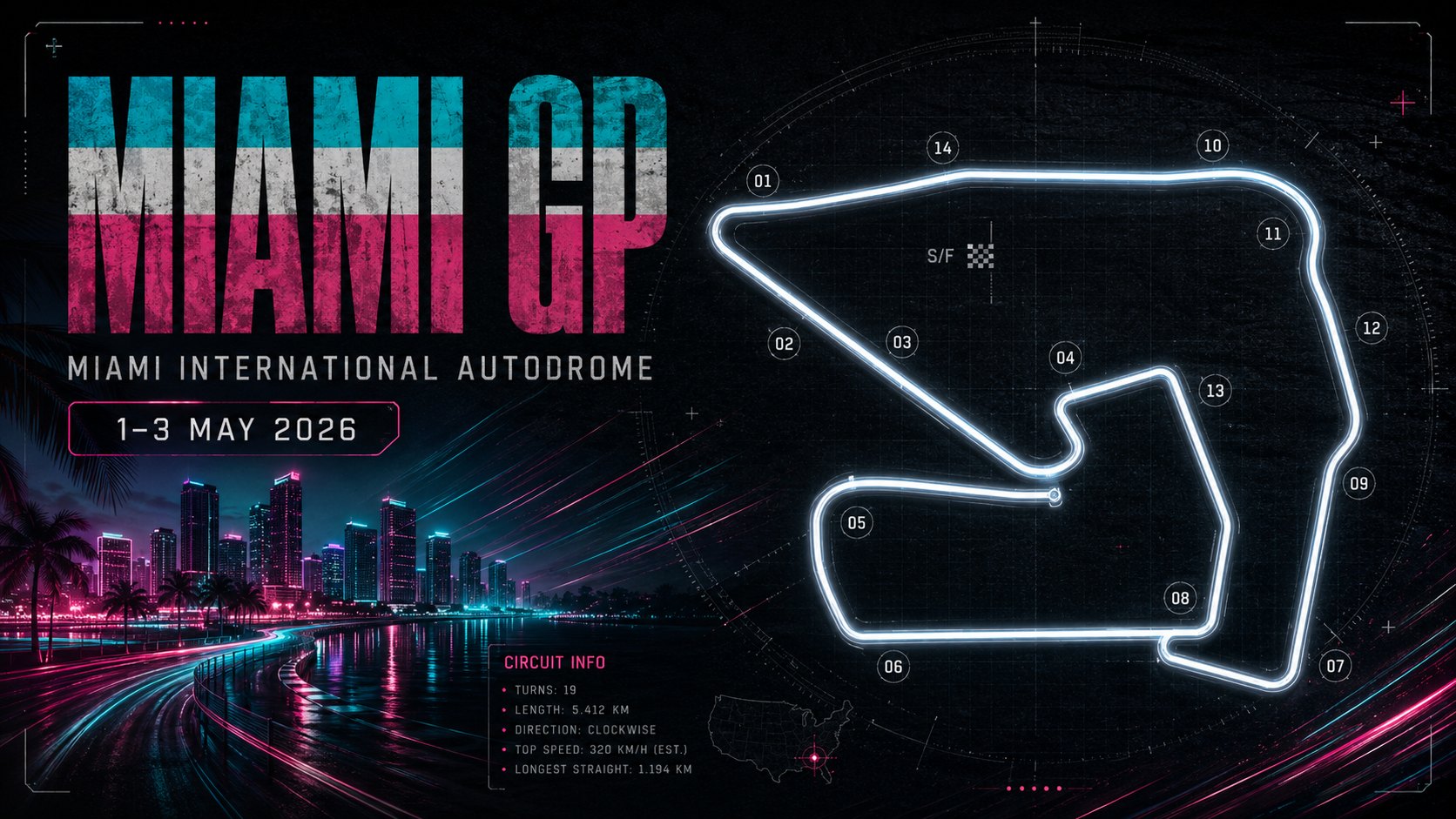
The Miami International Autodrome is a circuit that rewards aerodynamic efficiency and tyre management — two areas where the C45 has historically been compromised. For a project building toward a 2026 works entry, every race weekend is essentially a development data point, and Miami offered uncomfortable reading for the engineers monitoring delta times from the Hinwil mission control.
Palmer’s framing is not about doom-mongering. It is about timeline pressure. Audi has committed enormous resources, but as the pundit noted, building a championship-capable operation from a midfield-to-backfield base requires every available month between now and the regulation reset.
Hülkenberg’s Miami Weekend In Detail
Nico Hülkenberg arrived in Miami carrying the weight of being Audi’s first true ‘face’ of the project. The veteran German is the experienced anchor around which the manufacturer is constructing its early identity, and his weekend reflected both the promise and the limitations of the current package.
Practice And Qualifying
Free practice produced the familiar Sauber narrative — competitive single-lap pace pockets undermined by long-run degradation. Hülkenberg’s qualifying performance extracted close to the maximum from the C45, though the gap to the Q3 cut-off remained stubbornly persistent. His helmet — the now-iconic matte black shell with neon yellow accents — caught the Miami sunlight beautifully in the pit lane, a detail not lost on the photographers chasing display-worthy frames.
Race Day Realities
The race itself became an exercise in damage limitation. Tyre degradation in the heat exposed the C45’s fundamental aerodynamic shortcomings, and Hülkenberg spent significant stints defending rather than attacking. The result will not feature in any season highlight reel, but the imagery — particularly the helmet-cam angles and the side-profile shots of the dark Sauber against the pastel Miami backdrop — produced some of the most visually arresting frames of the weekend.
The Visual Story
For collectors of full-size 1:1 replica helmets, this is precisely the kind of season that matters. Transitional eras — when a team is shedding one identity and adopting another — produce limited windows of distinctive design. The current Sauber-era Hülkenberg helmet is, in collector terms, already a closing chapter.
The Helmet As Collector Artifact
Hülkenberg’s 2025 helmet design deserves a paragraph of its own. The base matte black shell is a deliberate statement of understated aggression, broken by the high-visibility neon yellow accents that frame the visor surround and the top spine of the lid. The combination photographs exceptionally well under stadium lighting and trackside daylight — a key factor for anyone evaluating a helmet as a display piece.
Why This Design Works For Display
Three elements make this helmet particularly compelling as a full-size 1:1 collector replica for exhibition purposes:
- Contrast clarity: The black-yellow combination remains legible from across a room, which is essential for any display piece destined for a study, garage, or dedicated cabinet.
- Era signaling: This is the final Sauber-branded chapter before the Audi takeover. Collectors who track manufacturer transitions value these closing-chapter designs disproportionately.
- Driver legacy: Hülkenberg’s career arc — the longest-serving driver without a podium, the comeback story, the Audi anchor role — gives his helmet an unusual narrative weight that resonates with display owners who value backstory.
A full-size 1:1 replica of this design, displayed on a lit plinth with a matte acrylic dust cover, occupies the kind of curatorial space that elevates a general F1 collection into something more focused and intentional.
Audi’s 2026 Question Mark
Palmer’s ‘behind the curve’ comment cannot be discussed without acknowledging the broader context. The 2026 regulations represent the most significant technical reset in over a decade, combining new power unit architecture with revised aerodynamic philosophy. Every manufacturer is essentially starting from a partial blank sheet, which theoretically narrows the gap between established front-runners and ambitious newcomers.
The Counter-Argument
Audi’s defenders point to the German manufacturer’s motorsport pedigree — Le Mans, DTM, Formula E — and the fact that the Hinwil facility has been continuously developing F1 cars for three decades. The infrastructure exists. The personnel transitions are progressing. The 2026 power unit is reportedly tracking against internal milestones.
But Palmer’s point stands on its own merit: visible on-track performance is the only truly public metric, and that metric currently shows a team fighting for the minor points rather than building momentum. The collector and display community, which often serves as a barometer for fan engagement, has nonetheless responded with strong interest in early Audi-era memorabilia — a sign that the project’s commercial appeal remains intact even when the lap times disappoint.
What To Watch For Next
The European leg of the calendar typically reveals true competitive order. Imola, Monaco and Barcelona will provide cleaner comparison data than the street-circuit volatility of Miami. If Hülkenberg can extract Q2 appearances consistently and convert at least some of those into points finishes, Palmer’s ‘behind the curve’ framing will face its first serious challenge.
Display-Worthy Moments From The Weekend
Beyond the championship narrative, Miami produced several frames that belong in any serious F1 visual archive. The grid walk shots of Hülkenberg in full kit, helmet under arm, against the pink-and-teal Miami backdrop are already circulating among livery and helmet historians as definitive 2025-season imagery.
The Podium Visuals
While Hülkenberg himself was not on the podium, the broader podium ceremony continues to be one of the most collected visual moments in any Grand Prix weekend. The helmet line-up in parc fermé — drivers removing their lids, the brief moment when all designs are visible side-by-side — is the single richest source of comparative helmet imagery available to collectors.
For The Home Display Curator
If you are building a 2025-season focused display, the recommendation from a visual-curation standpoint is clear: pair contrasting helmet designs in your cabinet. A matte, understated lid like Hülkenberg’s current design benefits enormously from being displayed alongside more saturated, high-chroma designs from other drivers on the grid. The visual conversation between adjacent helmets is what elevates a collection from accumulation to curation.
Every full-size 1:1 replica we discuss exists strictly as a display piece and collector item — exhibition quality artifacts intended for cabinets, plinths and dedicated shelving, never for any form of protective or wearable application.
The Bigger Picture For Collectors
Palmer’s Miami verdict, whether ultimately vindicated or disproved, has crystallised something important: the Sauber-to-Audi transition is now an active historical event rather than a future hypothetical. Every race weekend from this point forward is documenting a manufacturer entry in real time.
Why This Period Is Unique
F1 has not seen a true manufacturer takeover of an existing constructor at this scale in many years. The visual record being created right now — the final Sauber liveries, the transitional helmet designs, the documentary imagery of Hülkenberg leading the project — will be referenced by collectors and historians for decades.
For anyone curating a display collection around this era, the priority is documentation: capturing the designs while they are current, not waiting until they become retrospective. The matte black Hülkenberg lid, the C45 livery, the trackside imagery from circuits like Miami — these are the source materials for the Audi-era origin story.
Palmer may be right that Audi is behind on the curve competitively. But on the collector and display curve, the project is generating exactly the kind of distinctive, narrative-rich material that serious exhibition-quality replica collections are built around.
“They look behind on the curve compared to where the other manufacturers entering this sport have been at the equivalent stage.”
— Jolyon Palmer, F1 pundit and former driver
“Transitional eras produce the most collectible helmet designs — you are documenting a chapter that is actively closing.”
— 123Helmets editorial desk
FAQ
Q: What did Jolyon Palmer say about Audi F1 after Miami?
Palmer stated that Audi appears ‘behind on the curve’ compared to other manufacturers at equivalent stages of their F1 entry preparation, citing the Sauber operation’s current competitive level as evidence of timeline pressure ahead of the 2026 works entry.
Q: How did Nico Hülkenberg perform at the Miami Grand Prix?
Hülkenberg endured a difficult weekend, with the Sauber C45 struggling for race pace particularly in tyre degradation under the Miami heat. He extracted strong single-lap pace pockets but could not convert this into a points finish.
Q: What does Hülkenberg’s 2025 helmet design look like?
His current helmet features a matte black base shell with high-visibility neon yellow accents framing the visor surround and top spine. It is considered one of the most photogenic and display-worthy designs on the current grid.
Q: Are these helmets suitable for any protective use?
No. All helmets discussed are full-size 1:1 collector replicas intended strictly as display pieces and exhibition-quality collector items. They are not certified for any form of protective, wearable, or on-track application.
Q: Why is the Sauber-to-Audi transition significant for collectors?
It represents one of the rare full manufacturer takeovers of an existing F1 constructor, creating a narrow window of transitional liveries and helmet designs that will be referenced by collectors and historians for decades.
Browse F1 Helmet Collection
Display and collector replicas only. Not certified for protective use. Full-size 1:1 scale.
This article was written with the help of AI tools. Editorial policy