Blog
Barcelona-Catalunya GP 2026: Build-up, Paddock Pulse and Helmet Designs to Watch
 123Helmets Editorial Team
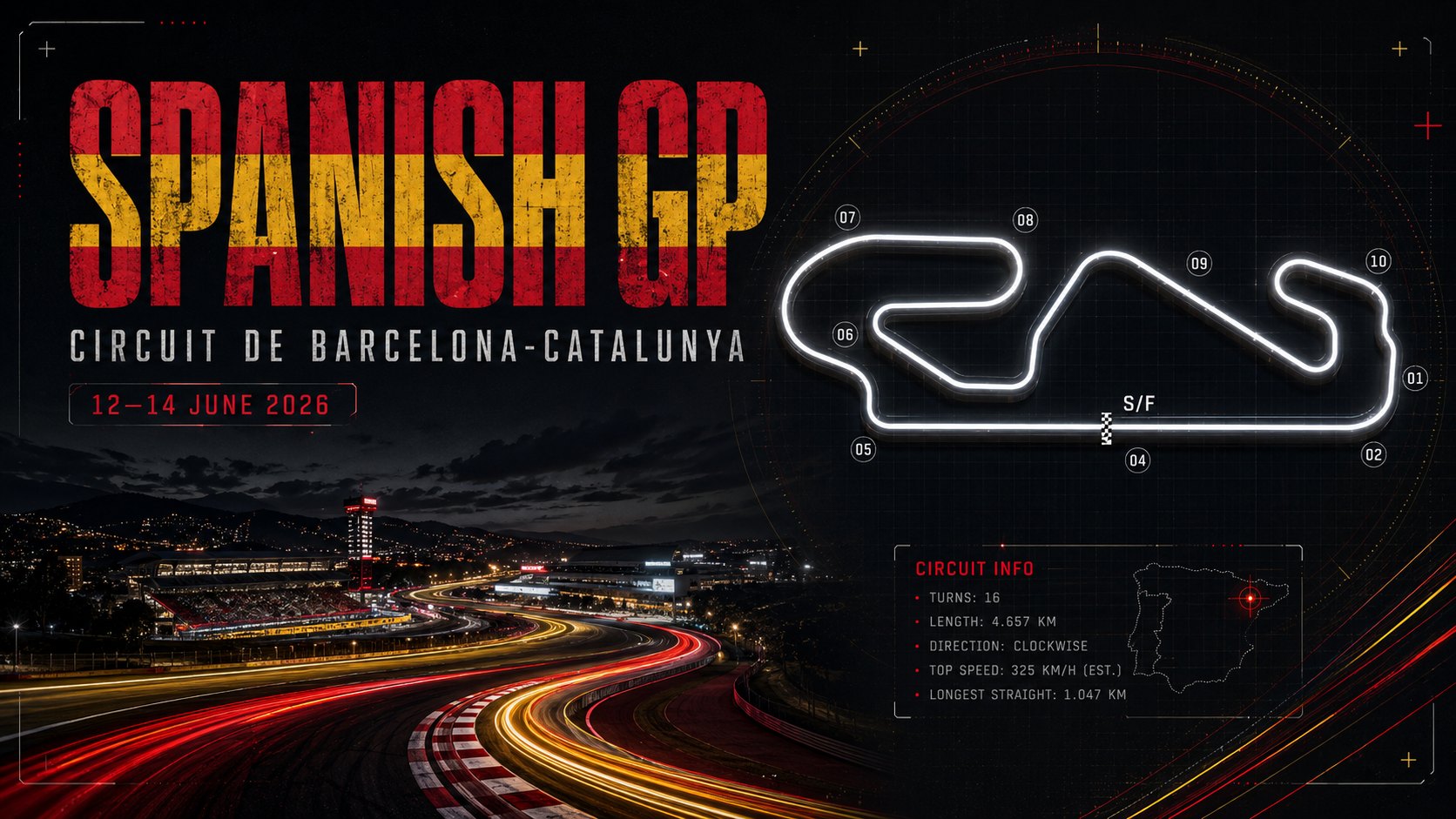
The 2026 Barcelona-Catalunya Grand Prix weekend opens with one of the most anticipated build-ups of the season. Montmeló returns to its traditional early-summer slot, and the paddock is buzzing with fresh liveries, repainted lids and one-off helmet designs aimed straight at collectors. Here is our editorial round-up of the build-up, with a sharp focus on the display-worthy moments worth tracking for any 1:1 replica shelf.
Key Takeaways
The 2026 Barcelona-Catalunya GP weekend runs across 3 days at Circuit de Barcelona-Catalunya, a 4.657 km layout with 16 corners.
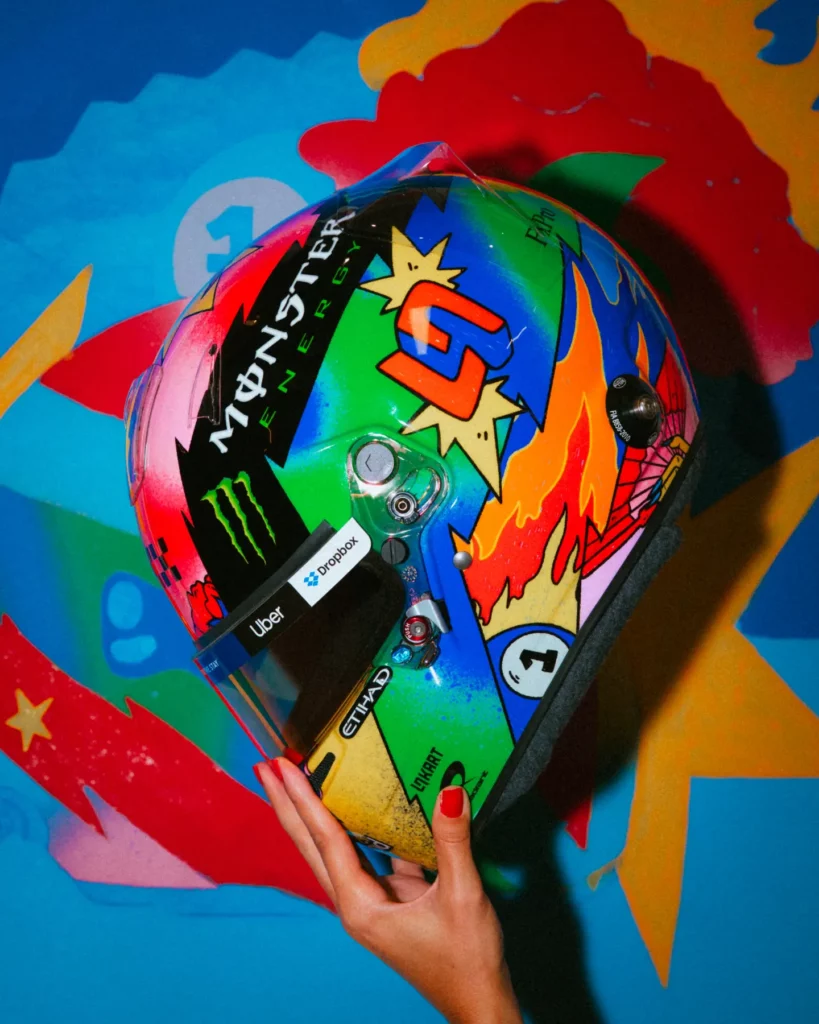
Several drivers are expected to roll out special helmet designs for their home or milestone races, prime candidates for 1:1 display replicas.
Montmeló’s high-speed Turn 9 and the revised final sector remain key reference points for livery photography and shelf-side display angles.
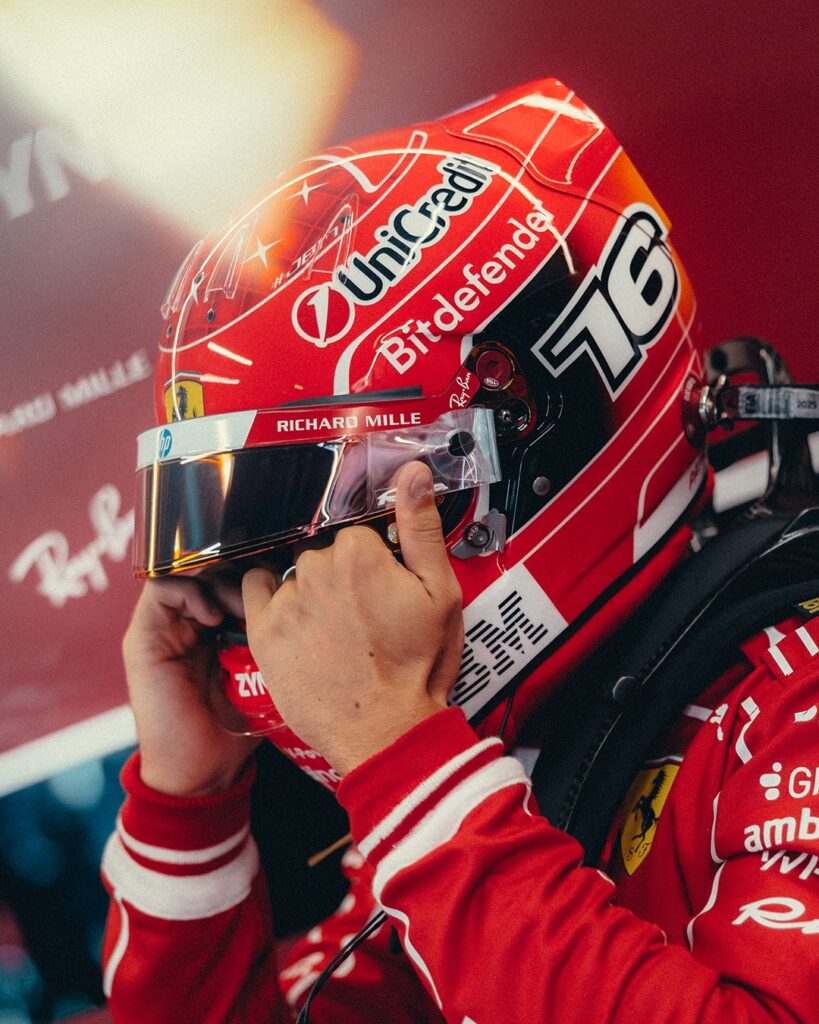
Build-up media days are when collectors get the cleanest helmet photography, ideal for matching paint reference on full-size replicas.
Paddock build-up: what the Thursday media day tells collectors
The Thursday media day at Circuit de Barcelona-Catalunya is, for helmet collectors, the most valuable 24 hours of the entire weekend. Drivers arrive with their freshly painted lids, photographers get clean studio-style angles in the pit lane, and team graphics departments release the first high-resolution renders of any special liveries. For anyone building a 1:1 replica display, this is where the reference material comes from.
The 2026 Spanish round sits in its classic early-summer window, and the paddock mood reflects a championship that has already produced several livery updates since the season opener. Build-up sessions at Montmeló typically begin around 10:00 local time on Thursday, with driver press conferences staggered through the afternoon. Helmets are usually unveiled either on social channels the night before or carried into the media pen in branded cases — the kind of detail that sharpens the hunt for accurate paint codes.
Why Barcelona matters for helmet design
Barcelona is a circuit where teams traditionally bring their first major upgrade package of the European season. Drivers tend to mirror that with refreshed helmet graphics, even if a full one-off is reserved for Monaco or Monza. Expect subtle revisions: new sponsor placements on the chin bar, updated top-plate logos, and tweaked metallic finishes that only reveal themselves under the Catalan sun.
Circuit de Barcelona-Catalunya: the numbers behind the display angles
The Catalan circuit measures 4.657 km across 16 corners, with the race traditionally scheduled over 66 laps for a total race distance of around 307.236 km. Those are the figures that frame every photograph, every onboard, every podium shot you will eventually use as reference when positioning a 1:1 helmet replica on a shelf.
For collectors, three sectors of the track matter most for visuals:
Sector 1: the helmet close-up zone
The run from the grid to Turn 1 produces the cleanest head-on helmet shots of the weekend. Television cameras catch the top of the lid as drivers brake from over 320 km/h, and the lighting at Montmeló in June is famously crisp. This is the angle most replica makers reference when reproducing top-plate artwork.
Sector 2: livery and helmet in motion
The high-speed Turn 9 sweep is the signature image of any Barcelona weekend. Helmet visor strips, rear-fin graphics and chin-bar sponsors all read clearly from the trackside cameras here. If you are matching a replica’s paint to broadcast footage, Sector 2 is where the colours look truest.
Sector 3: the podium build-up
The revised final sector flows into a podium and parc fermé layout that gives photographers a clear, low-angle shot of the helmet as it comes off. Those are the images that end up framed alongside a 1:1 replica.
Helmets to watch this weekend
Without pre-empting any official reveal, several storylines are worth tracking through the build-up. Spanish drivers on the grid traditionally treat Montmeló as a home race and have a long history of running special designs — Fernando Alonso’s Barcelona one-offs over the years are now among the most sought-after items in the replica market, and Carlos Sainz has continued that tradition with Spanish-flag accents and Madrid-inspired graphics.
For 2026, the build-up to watch covers three categories:
Home-race specials
Spanish drivers and any rookie making a home debut are the obvious candidates. These designs typically use red and yellow flag elements, often with a matte base and gloss accents — finishes that translate beautifully to a 1:1 display piece under directional lighting.
Milestone helmets
Any driver approaching a round-number race start (50, 100, 150 or 200 Grand Prix entries) may roll out a commemorative design. These are prime collector territory because production runs of the matching replicas tend to be limited.
Team-anniversary tie-ins
Several constructors are marking heritage milestones in 2026, and Barcelona is a logical venue for a throwback livery. When a car runs a retro scheme, the driver’s helmet often follows — and that pairing, displayed together, is the holy grail for a serious shelf.
What to look for in a 1:1 Barcelona replica
Full-size 1:1 collector helmets are display pieces, not protective equipment. The point of buying one is the visual fidelity to what you see on track this weekend. A few technical reference points help when judging quality during the build-up coverage:
Paint depth and layering
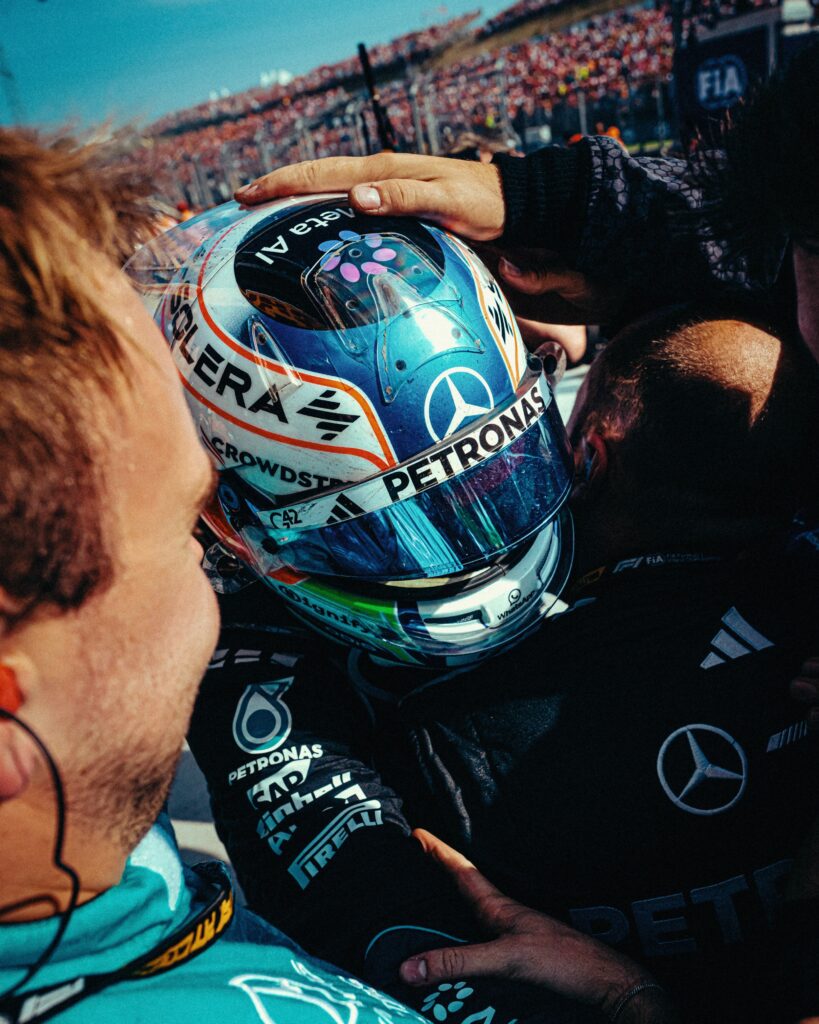
A high-end replica typically carries 6 to 8 paint layers including base, colour coats, decals, candy tints and clear lacquer. Compare the metallic sheen on broadcast helmet shots from the Thursday media day to what a replica shows under shop lighting — the closer the match, the better the build.
Visor tint and aperture
Race-weekend visors at Barcelona vary by session: clear or light smoke for practice in the morning, dark tints for the qualifying afternoon and the race start at 15:00 local. A replica’s visor finish should reference the session most associated with the helmet’s debut.
Decal sharpness
Sponsor logos around the chin bar are the first thing the eye reads. Catalan signage and any Spanish-language sponsors that appear only at this round are the markers of an authentic Barcelona-spec replica versus a generic season design.
Shell scale and weight
A genuine full-size 1:1 display helmet sits at a shell circumference matching a real driver lid, with a display weight typically between 1.2 and 1.5 kg depending on internal foam and base construction. That heft is part of the shelf presence.
Build-up storylines beyond the helmets
The wider 2026 narrative shapes how this weekend’s helmet designs will be remembered. New power-unit regulations have reshuffled the competitive order, and any driver scoring a breakthrough result at Barcelona will see their Spanish GP helmet jump in collector interest overnight. Build-up press conferences typically cover three threads:
First, the championship picture. With Barcelona historically falling around round 8 or 9 of the calendar, points gaps are starting to harden, and a strong qualifying lap here often signals a title contender for the second half of the year.
Second, the technical direction. Teams use the Montmeló test data — Barcelona has hosted private and group testing sessions for decades — as a benchmark for the rest of Europe. Aero updates revealed in the Thursday pit lane tend to define summer car silhouettes, and by extension, the photographic backdrop for any helmet you eventually display.
Third, driver-market chatter. Silly season talks heat up in early summer, and a one-off helmet at Barcelona can sometimes be the last design a driver runs in a particular team’s colours. Those final-chapter helmets become the most poignant display pieces of all.
How to follow the build-up for replica reference
The cleanest helmet photography of the weekend lands between Thursday afternoon and Friday morning. Team social channels post studio-lit reveals; official F1 photographers release pit-lane galleries; and trackside fans share close-up shots from the autograph sessions. Save the highest-resolution images you can find — they become the reference library when matching a 1:1 replica’s paint to broadcast reality.
From paddock to shelf: planning the display
Once the weekend ends, the helmet that defined it deserves a proper place. A full-size 1:1 replica typically needs around 27 cm of shelf depth and 35 cm of clearance height to display cleanly with its base. UV-filtered acrylic cases — usually 3 mm to 5 mm thick — keep paint colours stable over years of light exposure, especially important for the metallic and candy finishes that dominate current F1 helmet design.
Lighting matters as much as the helmet itself. A 3000 K warm LED strip set above the case mimics the late-afternoon Catalan sunlight that the broadcast cameras capture during Sunday’s race start, and that consistency between memory and display is what makes a collection feel alive. Pair the helmet with a framed timing screenshot or a printed lap chart from the race, and the Barcelona weekend lives on as a single curated piece.
Whether the 2026 Spanish GP delivers a first-time winner, a championship-defining strategy call, or simply a beautifully painted home-race helmet, the build-up is the moment to start curating. Track the Thursday reveals, save the cleanest images, and watch for the designs that match the story of the weekend.
“Barcelona is the race where you see the European season really start. The helmet a driver chooses here often says more about their year than the car update behind them.”
— Paddock observer, 123Helmets editorial
FAQ
Q: When does the 2026 Barcelona-Catalunya GP build-up begin?
The build-up officially opens with Thursday media day at Circuit de Barcelona-Catalunya, with driver press conferences and pit-lane access running through the afternoon ahead of Friday’s first practice session.
Q: Why is Barcelona important for F1 helmet collectors?
Spanish drivers traditionally run home-race special helmets at Montmeló, and the 4.657 km circuit produces some of the clearest broadcast helmet photography of the year — both factors that drive collector interest in 1:1 replicas of designs debuted here.
Q: What should I look for in a 1:1 Barcelona GP replica helmet?
Check paint layering (typically 6 to 8 coats), decal sharpness around the chin bar, visor tint matching the session of the helmet’s debut, and shell dimensions consistent with a real driver lid. These are display pieces, not protective equipment.
Q: How much shelf space does a 1:1 F1 replica helmet need?
Plan for around 27 cm of shelf depth and 35 cm of clearance height including the display base. A UV-filtered acrylic case 3 mm to 5 mm thick protects the paint finish over time.
Q: Are 1:1 collector replicas the same as race-used helmets?
No. The replicas we cover are full-size 1:1 display and collector items only, not certified for any protective use. They reproduce the visual design of race helmets for exhibition and shelf display.
Browse F1 Helmet Collection
Display and collector replicas only. Not certified for protective use. Full-size 1:1 scale.
This article was written with the help of AI tools. Editorial policy