- Keke Rosberg
- Nigel Mansell
- Jenson Button
- Nico Rosberg
- Gilles Villeneuve
- Mika Hakkinen
- Jackie Stewart
- Charles Leclerc
- Lewis Hamilton
- Max Verstappen
- Lando Norris
- Ayrton Senna
- Michael Schumacher
- Fernando Alonso
- Oscar Piastri
- George Russell
- Kimi Antonelli
- Nico Hülkenberg
- Gabriel Bortoleto
- Pierre Gasly
- Franco Colapinto
- Carlos Sainz
- Oliver Bearman
- Sergio Pérez
- Valtteri Bottas
- Isack Hadjar
- Alain Prost
- James Hunt
Ferrari’s Steel-Alloy Engine and New Shell Fuel: Austria Is the Upgrade Moment
Posted by
 123Helmets Editorial Team
123Helmets Editorial Team
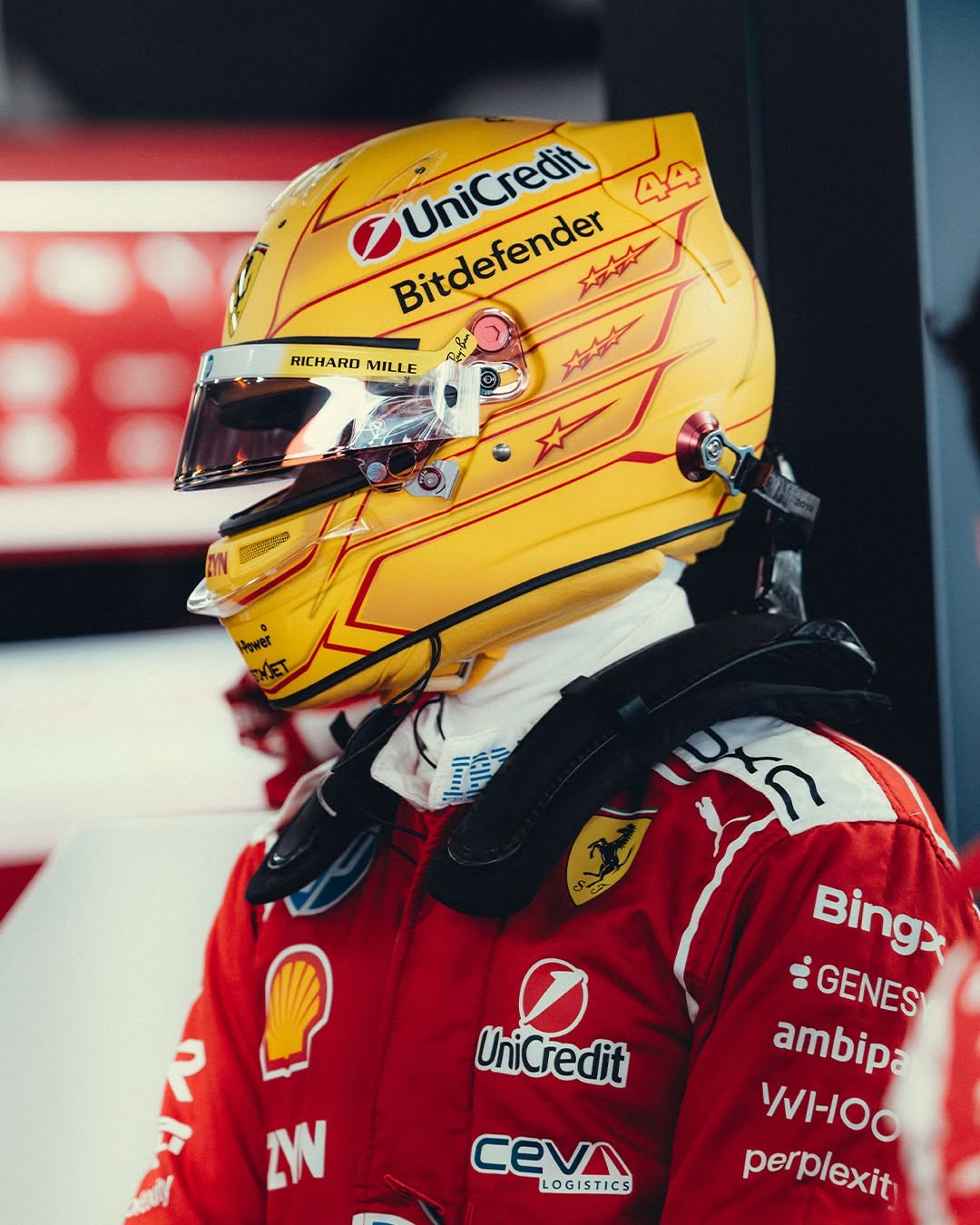
Ferrari Power Unit Update
Ferrari is preparing to introduce the third version of its 067/6 power unit at the Austrian Grand Prix in Spielberg, pending FIA approval — a package that pushes steel-alloy cylinder head technology further than ever and pairs it with a purpose-built Shell fuel developed in Hamburg. Here is what the upgrade means on track, and why the visual story it tells belongs in any serious F1 display collection.
Key Takeaways
Ferrari’s 067/6 V3 power unit ships to Spielberg under ADUO regulations, pending FIA sign-off before it can run in competition.
The steel-alloy cylinder head allows intake air temperatures above 115°C — up from the previous 100°C threshold — enabling a more complete fuel burn.
A new Shell fuel, developed specifically for this high-temperature combustion configuration at Shell’s Hamburg laboratory, works in tandem with the engine modifications.
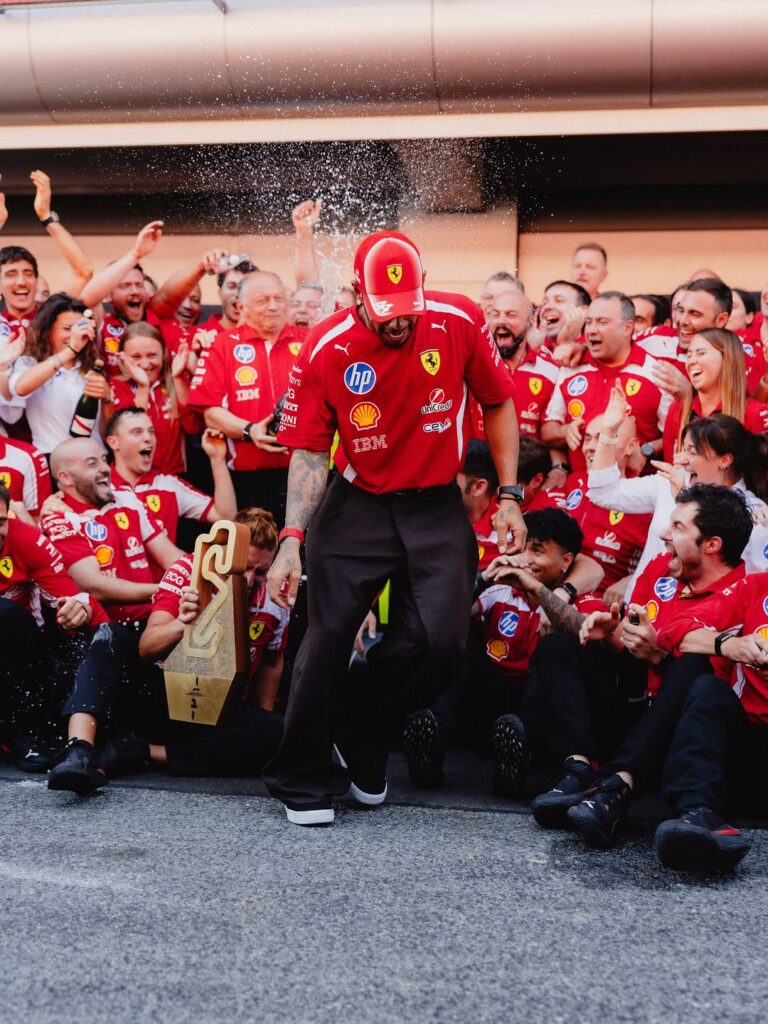
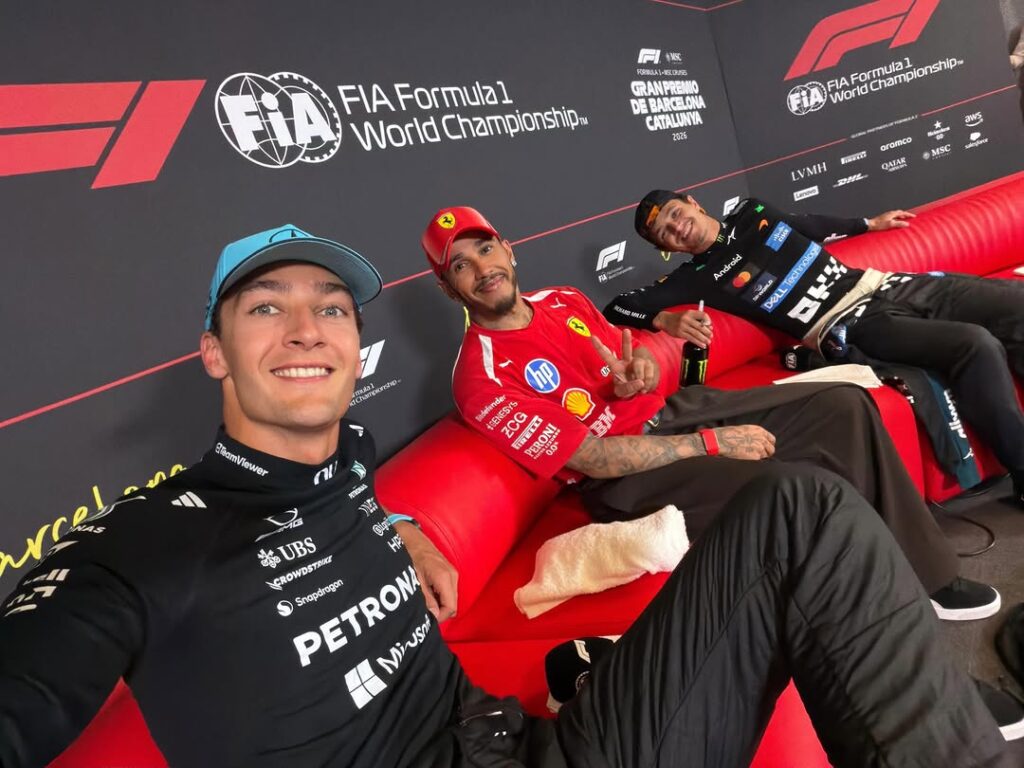
The combined ICE upgrade is Ferrari’s direct answer to the horsepower gap that Lewis Hamilton’s Barcelona win made impossible to ignore.
Why Austria Is Ferrari’s Target Window
Ferrari has chosen the Austrian Grand Prix at the Red Bull Ring in Spielberg as the provisional introduction point for its upgraded 067/6 power unit — subject to FIA approval arriving in time. The team is shipping the third specification of that unit to Austria regardless, running it in the garage while the governing body processes the formal clearance. If approval lands before practice begins, the upgrade goes in. That is not a gamble; it is careful logistics — the hardware is already there, ready to bolt in the moment the paperwork clears.
The Red Bull Ring’s layout matters here. At 4.318 km in length and featuring some of the longest full-throttle sections on the calendar, Spielberg places a heavy demand on raw internal combustion engine output. A power unit that delivers more mechanical work from each combustion cycle will translate those gains into lap-time more directly here than at a circuit dominated by slow corners. Ferrari’s engineers know the timing is not accidental.
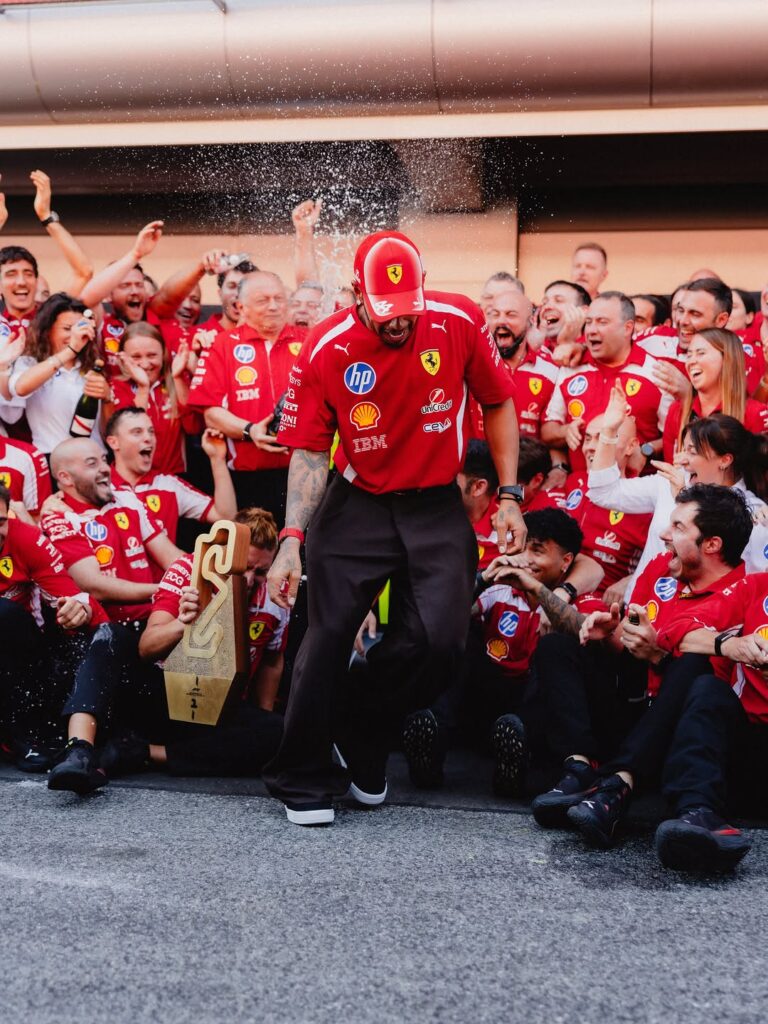
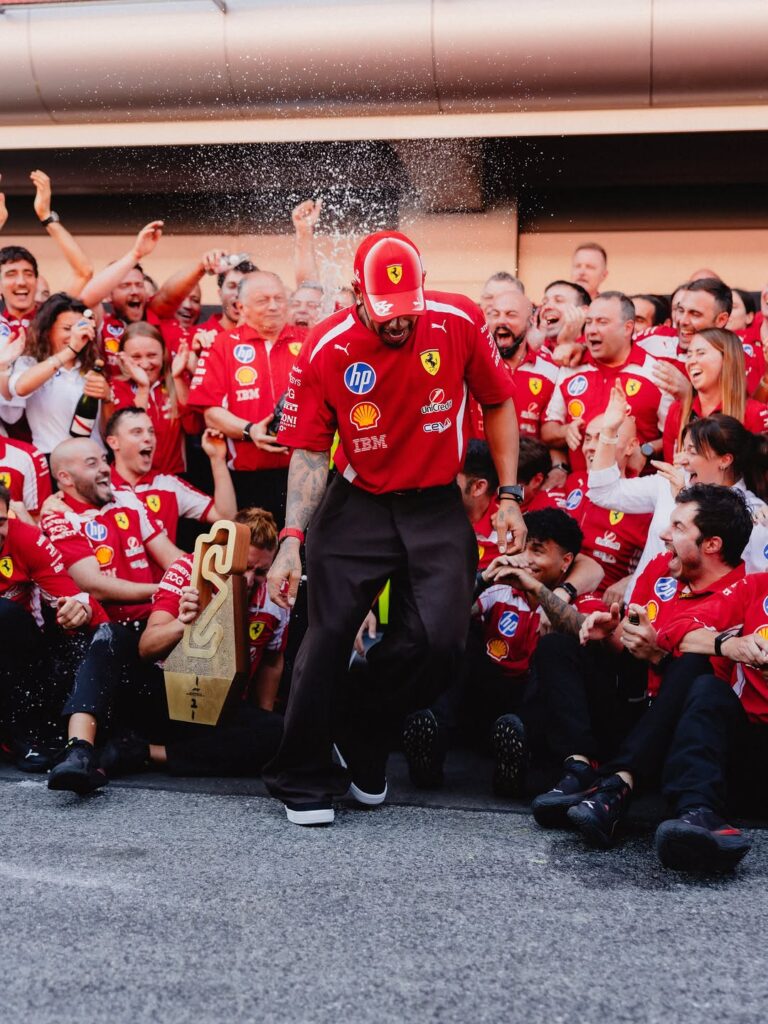
Lewis Hamilton’s win in Barcelona — driving for Ferrari — threw the horsepower deficit into sharp relief. A victory is a victory, but the data Ferrari collected across that race weekend confirmed that Mercedes still held an ICE advantage the Scuderia needed to close. Austria is the first realistic point on the 2025 calendar where the new package can arrive, receive FIA clearance, and compete.
The Steel-Alloy Cylinder Head: How It Changes Everything
Ferrari’s steel-alloy cylinder head is the structural reason the Austria upgrade exists at all. A steel alloy rather than aluminium is used for the cylinder head because it tolerates far higher combustion chamber temperatures — temperatures at which an aluminium head would suffer structural failure. That single material choice is what unlocks the rest of the performance package.
Previously, Ferrari was already running what the team describes as a “hot” engine configuration, with intake air entering the intercooler at temperatures exceeding 100°C. That figure is already well above the 60–70°C seen in conventional F1 designs. From the Austrian Grand Prix onward, the ceiling rises to over 115°C — a threshold no conventional aluminium cylinder head could sustain.
Higher temperature and higher pressure inside the combustion chamber mean a greater proportion of fuel particles complete combustion rather than passing through partially burned. The result is a cleaner burn, fewer unburned hydrocarbons in the exhaust, and — critically — more of the fuel’s chemical potential energy converted into mechanical work. In simple terms: more power from the same amount of fuel, with less waste energy lost as heat and exhaust gases.
The engineering behind this sits primarily with Enrico Gualtieri’s engine department at Maranello. The collaboration with Shell’s Hamburg laboratory then adds the second half of the equation — a fuel formulated specifically to work with combustion conditions the 067/6 V3 now makes possible.
Shell Hamburg and the Purpose-Built Fuel
The new Shell fuel introduced alongside the 067/6 V3 was developed specifically for Ferrari’s high-temperature, high-pressure combustion configuration at Shell’s laboratory in Hamburg. Fuel and engine are not independent upgrades stacked on top of each other — they were designed together, each tuned to what the other makes possible.
Quantifying the exact contribution of the fuel versus the mechanical engine modifications is, by Ferrari’s own admission, extremely difficult. Both the newly homologated fuel and the FIA-approved engine changes feed the same output: more complete combustion, more mechanical work, a smaller horsepower deficit to Mercedes. Isolating which delivers what percentage of the gain would require running one without the other — and Ferrari has no interest in doing that at a race weekend.
What the Hamburg collaboration represents in broader terms is a long-cycle development programme finally reaching its operational phase. Shell and Ferrari did not design this fuel in a few weeks in response to Barcelona. The chemistry needed to match a steel-alloy head running above 115°C intake temperatures is months of laboratory work. Austria is where that work becomes race kilometres.
The upgrade is filed under ADUO — Additional Development and Upgrade Opportunities — the FIA’s framework that governs how and when power unit manufacturers can introduce modifications outside the standard homologation freeze window. Ferrari shipping the V3 unit to Spielberg while awaiting approval is fully within those rules; the team simply cannot run it in competition until the FIA formally clears the package.
Podium Visuals: The Helmet and Livery Story Austria Will Tell
An Austria podium for Ferrari, if the upgrade delivers, would carry one of the most immediately recognisable visual signatures in the sport. The Scuderia’s racing red — unchanged in its fundamental identity across decades — sits at its most striking against the green Alpine backdrop of the Red Bull Ring, a circuit surrounded by grass banks packed with orange-clad fans and, increasingly, Ferrari supporter groups flying the prancing horse.
For display collectors, the Austrian Grand Prix has a long history of producing helmet moments worth preserving in full-size 1:1 replica form. The combination of a high-altitude venue, strong natural light, and the compressed drama of a short circuit tends to produce podium celebrations that are photographically distinct — arms raised on a narrow top step, the Spielberg grandstands filling the background, helmets catching the Austrian afternoon sun at an angle that flatters lacquer and chrome.
Any collector-grade full-size 1:1 replica helmet from a Ferrari Austrian Grand Prix campaign captures that specific visual identity: the prancing horse on the nose, the team’s Scuderia shield on the chin, and the driver’s personal livery against the deep red base that makes Ferrari helmets among the most requested display pieces in the hobby. These are exhibition-quality items — display pieces for shelves, cabinets, and dedicated motorsport rooms — not equipment for track or road use.
If Ferrari’s 067/6 V3 performs as the engineering team expects, Austria 2025 may become one of those race weekends that defines a season’s turning point. Helmets from turning-point weekends carry added collector significance. The display case tells the story of the moment, not just the livery.
What the Power Gap to Mercedes Actually Means
Ferrari’s horsepower deficit to Mercedes’ internal combustion engine is the specific gap the Austria package targets — not downforce, not tyre strategy, but raw ICE output. Hamilton’s Barcelona win in a Ferrari chassis made the deficit visible in a way that lap charts alone could not: the car can win, but it would win more, and more comfortably, with more power.
The Mercedes ICE has long been considered the benchmark in the hybrid era. Ferrari’s steel-alloy cylinder head programme is the team’s structural answer — not a software map adjustment or a fuel additive tweak, but a fundamental change to what temperatures the engine can sustain, and therefore what combustion efficiency is physically achievable. Running above 115°C where rivals run at 60–70°C is not a marginal tuning difference. It is a different operating philosophy.
Whether the V3 closes the gap entirely, partially, or creates a new performance parity will only be known once the unit runs competitive laps in Austria. Ferrari and Shell are not making specific horsepower claims publicly, and the ADUO framework under which this upgrade is filed does not require them to. The team’s position is clear enough: the collaboration between Gualtieri’s department and the Hamburg laboratory has produced something they believe is worth shipping to Spielberg before FIA approval has even landed.
That confidence, expressed through logistics rather than press releases, is the most reliable signal the paddock has that this upgrade is real and that Ferrari expects it to work.
Austria as a Collector Milestone: Replica Helmets From a Pivotal Round
The Austrian Grand Prix has repeatedly served as a season inflection point across F1’s modern era — a round early enough in the European swing to matter strategically, late enough in the development cycle for meaningful upgrades to arrive. A Ferrari power breakthrough at Austria 2025 would make this round a collector reference point for years.
Full-size 1:1 display replica helmets from grands prix that mark genuine technical shifts carry a different weight on the shelf. The livery is the same as any other round — the prancing horse, the red base, the driver’s personal design — but the context is what a collector communicates when they place that piece in a display cabinet. This is from the weekend Ferrari changed its engine. That sentence is what distinguishes one replica from another when both are exhibition quality.
A properly produced full-size replica of a Ferrari Austria 2025 helmet would sit at 1:1 scale, matching the geometry of the race helmet worn that weekend. The display piece is not a safety item and carries no FIA, Snell, ECE, or DOT certification — it is a collector item, produced for visual fidelity and display quality, not protective performance. The value is entirely in what it represents: the moment, the livery, and the engineering story the driver was wearing on their head when Ferrari turned a corner.
For anyone building a display collection around Ferrari’s technical history, the Austria 2025 round — whenever the FIA formally clears the 067/6 V3 — marks the point from which to date the steel-alloy, high-temperature combustion era of the Scuderia’s engine programme. That is a story worth putting on a shelf.
“The collaboration between Enrico Gualtieri’s engine department and Shell’s laboratory in Hamburg is aimed at reducing the power gap to Mercedes’ internal combustion engine.”
— Ferrari technical programme context, 2025
“From the Austrian Grand Prix onward, the intake air temperature limit will be increased to over 115°C — up from the previous threshold of exceeding 100°C.”
— Ferrari 067/6 V3 power unit technical briefing, 2025
FAQ
Q: What is the Ferrari 067/6 V3 power unit?
The 067/6 V3 is the third specification of Ferrari’s current Formula 1 power unit, featuring a further-developed steel-alloy cylinder head that allows combustion chamber temperatures significantly higher than aluminium-head designs could sustain. It is being shipped to the Austrian Grand Prix pending FIA approval under the ADUO framework.
Q: Why does Ferrari use a steel-alloy cylinder head instead of aluminium?
Steel alloy tolerates far higher combustion temperatures than aluminium — temperatures at which an aluminium head would suffer structural failure. Ferrari’s hot engine configuration already ran intake air above 100°C; the V3 raises that ceiling to over 115°C, enabling a more complete and efficient fuel burn.
Q: What is the new Shell fuel and where was it developed?
The new Shell fuel is a purpose-built formulation developed at Shell’s laboratory in Hamburg specifically for Ferrari’s high-temperature combustion configuration. It was designed in tandem with the 067/6 V3 engine modifications, not as a standalone product.
Q: Are Ferrari replica helmets from the Austrian Grand Prix certified for safety use?
No — full-size 1:1 replica Ferrari helmets are display and collector items only. They carry no FIA, Snell, ECE, or DOT certification and are not intended for road, track, or any protective use. They are exhibition-quality display pieces produced for visual fidelity and collector value.
Q: Why is the Austrian Grand Prix important for Ferrari’s 2025 season?
Austria is the provisional introduction point for Ferrari’s 067/6 V3 power unit — the team’s primary answer to its horsepower deficit to Mercedes. The Red Bull Ring’s long full-throttle sections make it one of the circuits where an ICE power gain translates most directly into lap-time, making Spielberg the logical debut window for this specific upgrade.
Shop Ferrari Helmets — add an exhibition-quality full-size 1:1 replica from Ferrari’s most technically significant season chapter to your display collection.
Display and collector replicas only. Not certified for protective use. Full-size 1:1 scale.