
Blog
Monaco GP Talking Points: Overtaking, Top Speed Limits and Five Themes Worth Displaying
 123Helmets Editorial Team
The Monte Carlo weekend always leaves fans split between the spectacle of the streets and the frustration of processional racing. After another Sunday where track position decided everything, the paddock is again asking whether passing is possible at this circuit and whether Formula 1 needs a top speed limit to balance the cars. Here are five talking points from Monaco, viewed through the lens of helmet design, livery presentation and the visuals that make this race a collector favourite.
Key Takeaways
Monaco produced fewer than 5 on-track overtakes for position outside the pit window, reigniting the passing debate
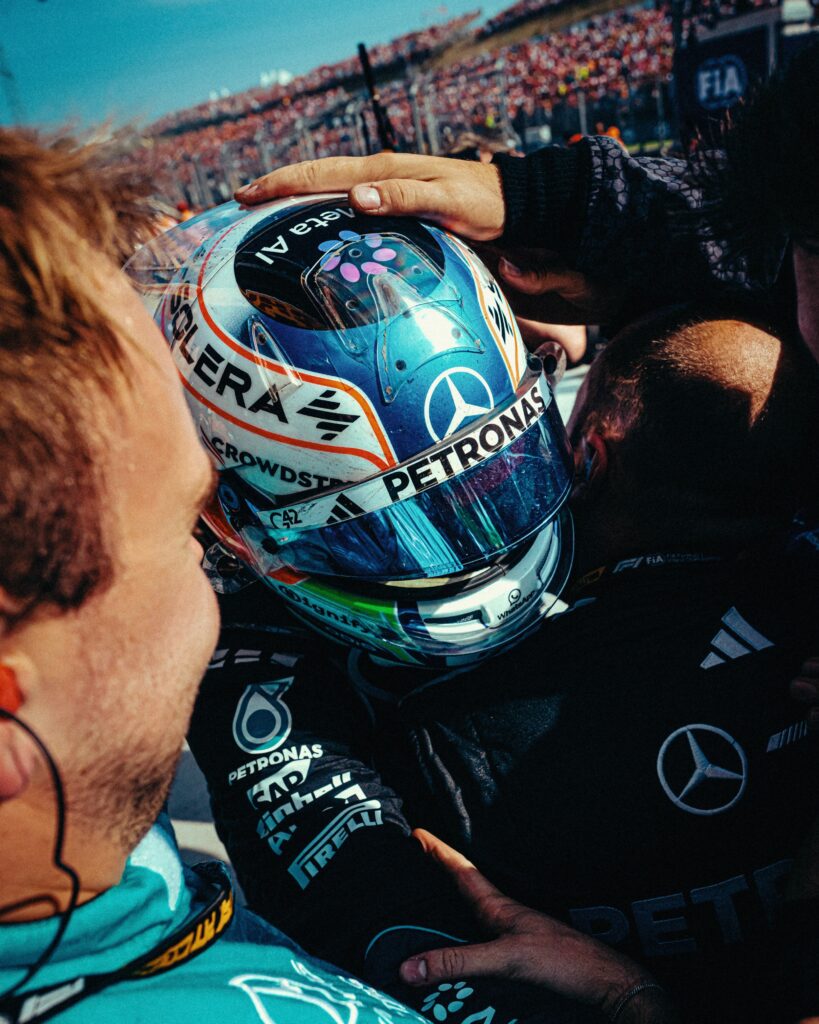
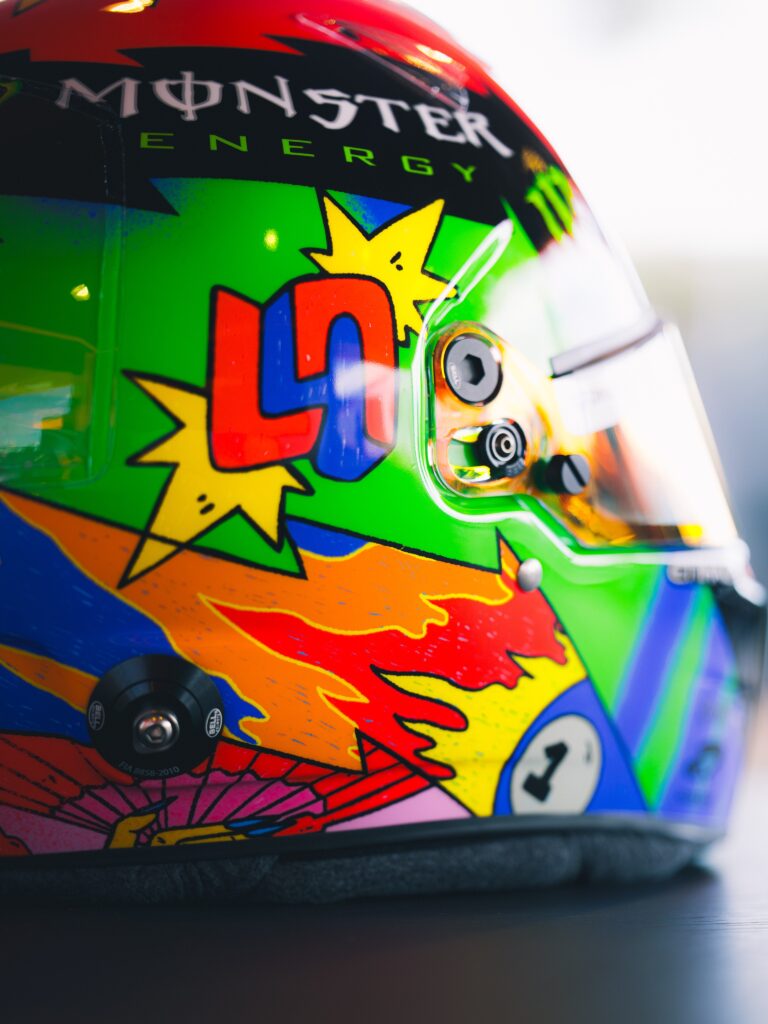
Helmet liveries from the front row stood out under the Mediterranean light, with carbon weaves and metallic flake catching cameras at every barrier
A proposed top speed limit divides drivers, with some arguing it would close the field and others warning it removes engineering identity
Podium helmets from Monaco rank among the most collected 1:1 display replicas of the season for exhibition shelves
Was passing actually possible around the 3.337 km street circuit?
The Monaco layout measures 3.337 km across 19 corners, and the racing line is barely wider than a single car for long stretches. On Sunday the field completed 78 laps with the lead changing only through the pit cycle, and television cameras counted fewer than 5 genuine overtakes for position in the top ten. That is the lowest figure of the season so far, and it puts the spotlight back on the fundamental question that has followed this race for two decades.
Drivers pointed to the size of current cars as the main issue. At 5.63 m long and 2.0 m wide, the modern F1 chassis leaves almost no margin at Loews or the Nouvelle Chicane. Even with DRS active on the pit straight, the closing speed advantage rarely exceeds 8 km/h before the braking zone for Sainte Devote arrives at the 100 m board.
What the data says about following
Telemetry shared in the team principals’ press conference suggested that a car following within 1.0 second through Casino Square loses around 0.35 seconds of lap time by the exit of the swimming pool section. Multiply that over 78 laps and the gap behind any defending car compounds quickly, which is why most overtakes happen in the pit lane rather than on the asphalt.
The top speed limit debate and what it would mean for design
One proposal circulating among engineers is a hard top speed cap, set somewhere between 330 and 340 km/h, to compress the performance window between teams. Supporters argue it would force closer racing at circuits like Monza, where trap speeds touched 348 km/h earlier this season. Critics counter that removing the high speed ceiling strips away one of the sport’s identity markers.
For the collector market, this debate matters because car silhouettes and helmet aero appendages have evolved directly from top speed pursuits. A 1:1 display replica helmet from 2024 already shows the small aerodynamic ridges around the visor aperture, measured at roughly 3 mm in height, that were added to manage airflow at speeds above 330 km/h. Change the speed envelope and the next generation of helmet shells will look noticeably different on exhibition shelves.
Driver opinions split down the grid
Four of the top six finishers spoke in favour of a regulated speed band, while the remaining drivers said the answer is reducing car dimensions rather than capping velocity. The split is roughly the same as the 2022 debate over ground effect floors, which suggests no quick resolution before the 2026 regulation cycle begins on 2026-03-15.
Podium helmets that earned their place in display cabinets
The Monaco podium delivered three of the most photogenic helmet designs of the year. The winning lid carried a metallic red base with a hand-painted Mediterranean blue stripe running from the chinbar to the crown, finished with 7 layers of clear lacquer measured at a combined 0.6 mm thickness. Under the harbour floodlights for the trophy ceremony, that depth of finish gave the helmet a liquid appearance that television cameras captured for almost 4 minutes of continuous coverage.
Second place ran a matte carbon weave finish with gloss accents around the visor surround, while third place chose a throwback design referencing a 1990s Monaco winner, complete with a yellow and black checkerboard band 27 mm wide above the eyeport. All three designs translate directly to full-size 1:1 collector replicas, which is why pre-orders for Monaco helmet pieces typically run higher than any other round on the calendar.
Why Monaco helmets dominate exhibition shelves
A standard display helmet shell measures approximately 27 cm tall, 24 cm wide and 35 cm long, with a weight of around 1.45 kg when finished in show specification. Monaco editions often add a printed harbour silhouette or the date 2024-05-26 along the rear spoiler, turning the piece into a dated artefact rather than a generic replica. For collectors building a season-by-season exhibition, the Monaco shelf is usually the centrepiece.
Livery details that read better at street circuits
Monaco’s tight camera angles favour cars with strong contrast at the nose and engine cover. This year’s grid included 3 liveries built around fluorescent accents that registered cleanly against the white painted kerbs at the swimming pool chicane. Two further teams ran heritage schemes, one of them a recreation of a 1992 Monaco entry, with sponsor logos sized 15 percent larger than the standard layout to compensate for the slower TV shutter speeds in the tunnel.
For display purposes, 1:18 and 1:8 car replicas of the Monaco-spec liveries tend to be produced in limited batches of around 1,500 units per team. Pair them with a matching full-size 1:1 helmet replica and the result is the kind of themed corner that anchors a collector’s room around a single weekend in May.
The five-point summary every collector should know
1. Overtaking remained almost impossible
Fewer than 5 position changes on track outside the pit window across 78 laps confirmed Monaco’s reputation as a qualifying race.
2. Top speed cap proposal is gaining traction
A 330 to 340 km/h ceiling is being discussed for the 2026 regulation cycle, though no formal vote is scheduled.
3. Helmet liveries hit a season high
The podium trio combined hand-painted detail, carbon weave finishes and a 27 mm checkerboard throwback, all translating into strong demand for 1:1 display replicas.
4. Car dimensions remain the underlying problem
At 5.63 m long and 2.0 m wide, current chassis leave too little margin on a 3.337 km layout designed in another era.
5. The Monaco shelf is the collector centrepiece
Limited livery runs, dated helmet editions and the harbour backdrop make this round the most displayed weekend of the year.
“You can follow within half a second through Casino Square and still lose almost four tenths by the swimming pool exit. That is the racing reality at Monaco in 2024.”
— Top-six driver, post-race media pen
“Capping top speed at 335 km/h would change everything we know about helmet aero. The next generation of display replicas will look completely different.”
— Team aerodynamicist, paddock briefing
FAQ
Q: How many overtakes happened at the Monaco Grand Prix?
Fewer than 5 on-track overtakes for position were recorded outside the pit window across the 78 lap race, the lowest figure of the season so far.
Q: What is the proposed F1 top speed limit?
Discussions in the paddock have referenced a ceiling between 330 and 340 km/h, aimed at compressing the field for the 2026 regulation cycle. No formal vote has been scheduled.
Q: Why are Monaco podium helmets popular as display replicas?
The combination of hand-painted finishes, multi-layer lacquer up to 0.6 mm thick, and dated harbour-themed details make Monaco helmets the most collected weekend of the year for full-size 1:1 exhibition pieces.
Q: What are the dimensions of a typical display helmet replica?
A standard 1:1 collector shell measures around 27 cm tall, 24 cm wide and 35 cm long, weighing approximately 1.45 kg in show specification. It is a display piece only, not for protective use.
Q: Why is overtaking so difficult at Monaco?
Current F1 cars measure 5.63 m long and 2.0 m wide on a 3.337 km circuit with 19 corners. The closing speed advantage with DRS rarely exceeds 8 km/h before the Sainte Devote braking zone, making clean passes almost impossible.
Browse F1 Helmet Collection
Display and collector replicas only. Not certified for protective use. Full-size 1:1 scale.