
Blog
Verstappen, Mercedes and Piastri: The Display-Worthy Threads of F1’s 2026 Silly Season
 123Helmets Editorial Team
Monaco’s marina backdrop set the stage for paddock chess as Ferrari locked in Charles Leclerc into the next decade, leaving Max Verstappen as the headline figure of the 2026 driver market. For collectors tracking helmet liveries and team transitions, this weekend produced display-worthy moments that will shape the 1:1 replica catalogue for seasons to come.
Key Takeaways
Charles Leclerc extended his Ferrari deal into the next decade ahead of the Monaco Grand Prix, removing him from the 2026 market
Max Verstappen has 2 years remaining on his Red Bull contract through the end of 2028 and is in no rush to sign an extension
The 28-year-old Dutchman wants clarity on the 2026 regulation reset before committing to any team beyond 2028
Mercedes and Oscar Piastri’s situations remain the other key pieces of the silly season puzzle for collectors tracking future helmet liveries
Monaco as the Silly Season Backdrop
The start of summer traditionally marks the moment when paddock attention shifts towards next year’s driver market. Monaco, with its 3.337 km street layout and 78-lap race distance, has historically been the venue where contract whispers turn into headlines. The 2025 edition was no exception.
Ferrari moved first. The Scuderia confirmed a multi-year extension with Charles Leclerc ahead of race weekend, tying the Monégasque to the red cars into the next decade. The exact duration has not been disclosed, but the announcement effectively removes the 27-year-old from the market and reshuffles the order of dominos still to fall.
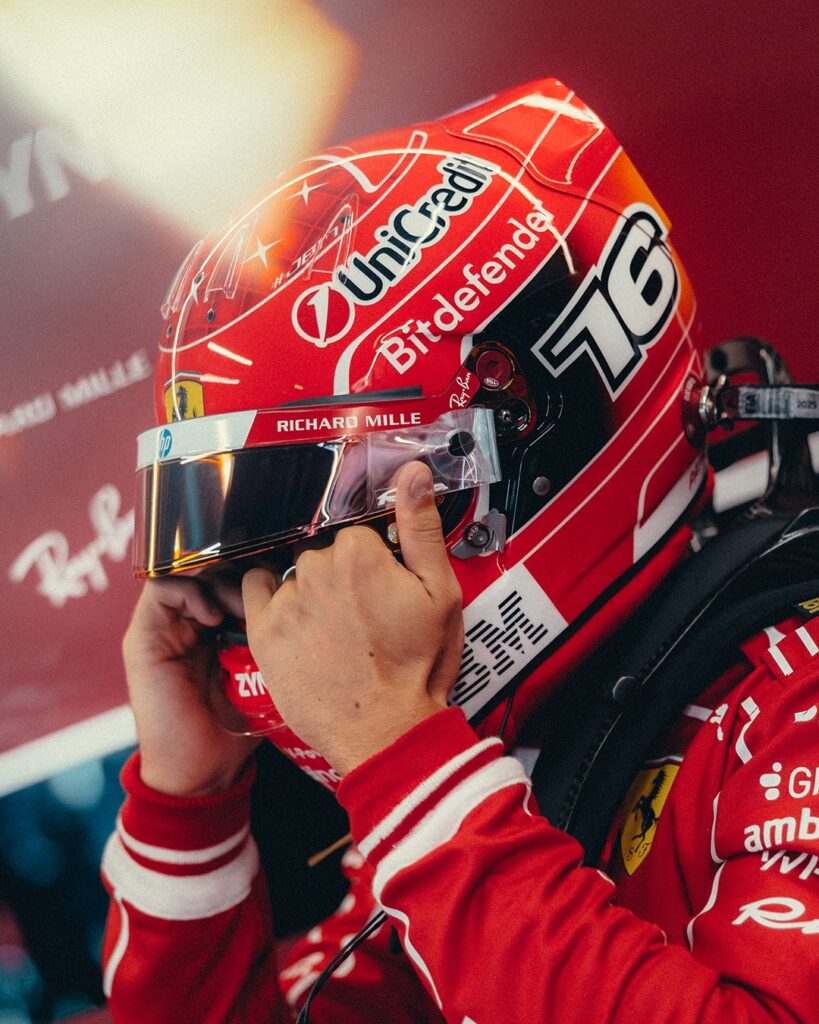
For collectors, the Leclerc extension matters beyond the contract page. It guarantees that the gold-on-red Monaco-spec helmet — a piece routinely produced as a 1:1 display replica with hand-applied paint layers — will continue to evolve under Ferrari colours for years to come. The home-race livery he wore around the Principality is already a candidate for exhibition-quality reproduction.
Why Verstappen Sits at the Centre
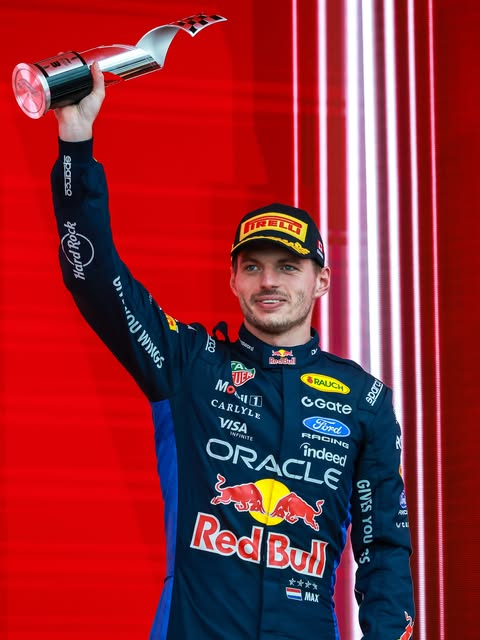
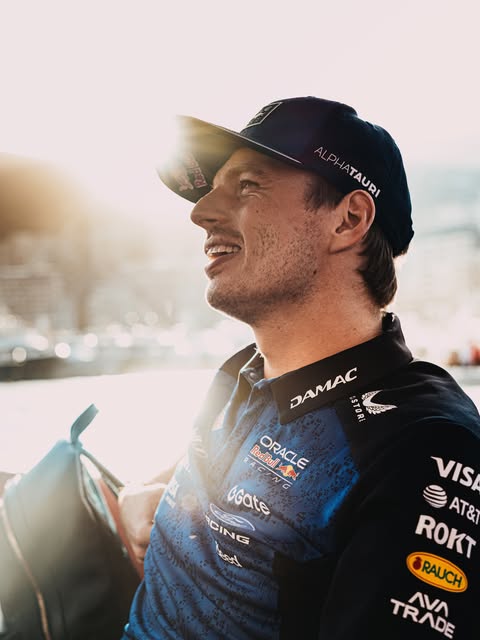
With Leclerc off the board, Max Verstappen is the headline name still in play. The Red Bull driver previously held the longest contract on the grid, a deal running through to the end of 2028. Leclerc’s new agreement has now overtaken him in length, but Verstappen’s situation remains the one that could rearrange the entire grid.
Speaking to Dutch media including Motorsport.com in Monaco, the 28-year-old made it clear he is not thinking about a new deal at all. “I haven’t signed a new contract for quite a while, but that’s normal,” Verstappen said. “It’s absolutely not my biggest concern at the moment, a new contract. I still have 2 years left.”
Verstappen’s Two Open Questions
Verstappen framed his thinking around two separate decisions. The first is whether he wants to continue in Formula 1 at all beyond 2028. The second, only relevant if the answer to the first is yes, is which team would offer the best competitive package and working environment under the 2026 regulation reset.
“I first need to decide for myself whether I want to continue beyond 2028,” he explained. “That’s why I’m not in a hurry at all. Otherwise, I would have signed a contract until 2040 a long time ago.”
The candour matters. For a driver who has won 4 consecutive Drivers’ Championships, the calculation is no longer about securing a seat — it is about whether the next chapter is worth the time investment. That uncertainty is precisely what keeps Mercedes interested and the silly season open.
The Helmet Catalogue Implications
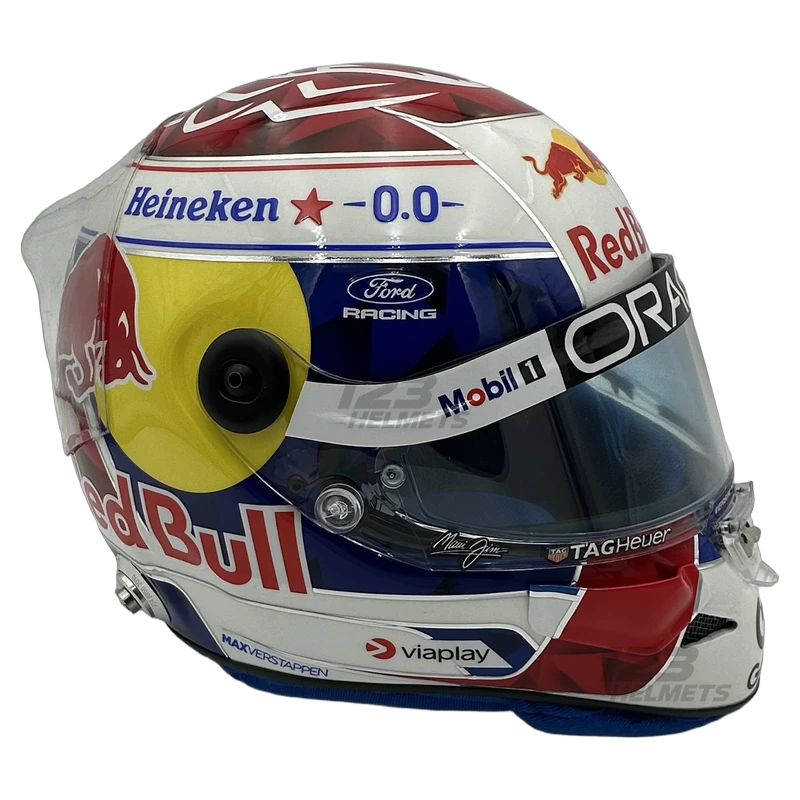
From a collector standpoint, Verstappen’s helmet output has been one of the richest in modern F1. The recurring lion motif, the matte red base, the chrome accents on special editions — each iteration becomes a candidate for full-size 1:1 display replica production. Exhibition-quality pieces are typically built on a fibreglass shell at the standard 29 × 25 × 35 cm display footprint, with multiple paint layers reproducing the gradient transitions seen on the original race-used items.
A potential move away from Red Bull’s navy and red would open an entirely new chapter for the display catalogue. A Mercedes-liveried Verstappen helmet, even hypothetical, is the kind of speculative piece collectors discuss months in advance. The silver base with the Dutch lion would be a striking exhibition item, and the paint specification alone — typically 6 to 8 layers for a premium replica — would make it a centrepiece for any private collection.
Mercedes, Russell and the Piastri Question
Mercedes remains the team with the loudest interest in Verstappen. George Russell’s contract situation has been the subject of quiet discussion throughout the opening months of the season, and Toto Wolff has not hidden his admiration for the Red Bull driver. The team’s 2026 power unit programme, developed for the new regulation cycle, is the carrot being dangled.
Oscar Piastri is the other name to watch. The McLaren driver has emerged as a championship contender in 2025, and any movement at the top of the standings tends to trigger contract renegotiations. Piastri’s papaya helmet, with its black and blue Australian flag accents, has already become one of the most requested 1:1 replicas in the current catalogue. A title push would only amplify that demand.
What Each Move Means for Collectors
Driver market shifts have a direct knock-on effect on display helmet production schedules. When a driver changes teams, the previous-team helmet becomes a closed chapter — a finite collector item with a defined production window. The Lewis Hamilton Mercedes-to-Ferrari transition in 2025 demonstrated this clearly: his final Mercedes-spec helmet, with the silver and black base, became a sought-after exhibition piece almost immediately after the announcement.
The same dynamic would apply if Verstappen moved. His Red Bull-era helmets, spanning the 2016 debut through 2028 at minimum, would represent a complete and closed era — the kind of multi-helmet display set that defines serious private collections.
Monaco Podium Visuals and Display Moments
Beyond the contract talk, the Monaco weekend itself produced the visual moments collectors look for. The Principality’s lighting — the morning sun catching the harbour, the late-afternoon glare across the swimming pool section — creates the kind of helmet photography that defines a season’s collector imagery.
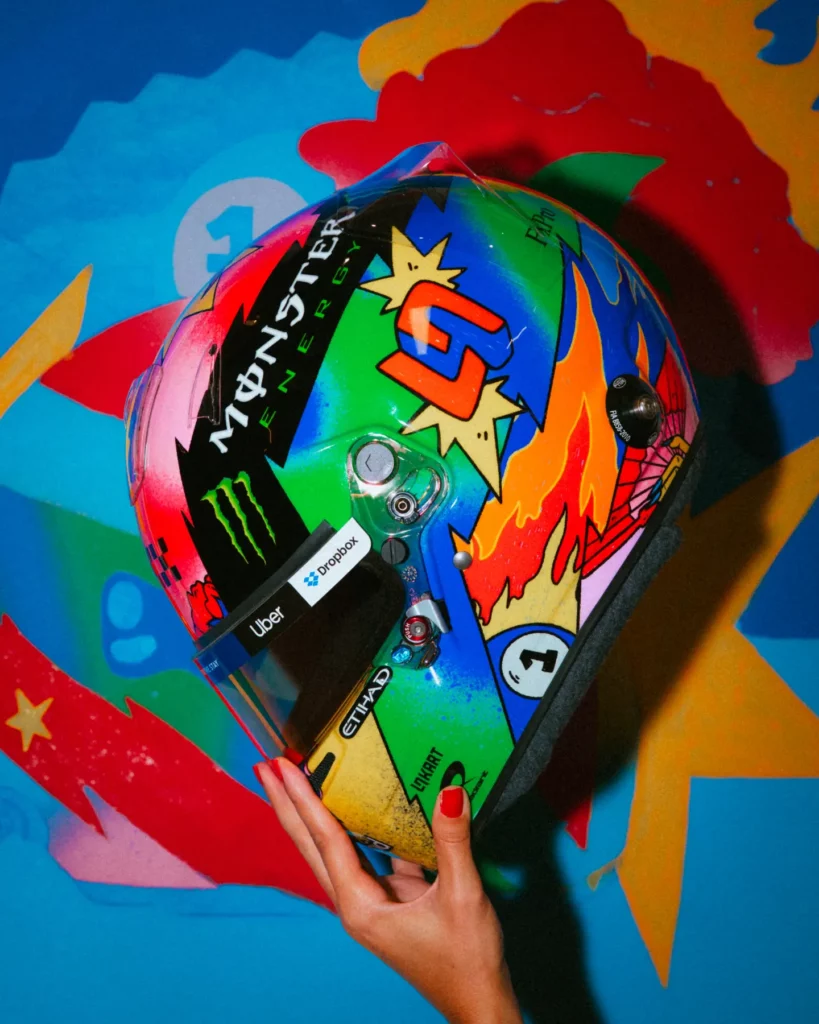
Lando Norris took the win in Monaco, his McLaren MCL39 carrying the special weekend livery and his helmet featuring the bespoke Monaco-spec accents. Leclerc, on home soil and freshly re-signed, delivered the kind of podium ceremony that ends up reproduced as exhibition-quality display sets. Verstappen completed the top three for Red Bull.
The Podium Helmet Triptych
A Monaco 2025 podium triptych — Norris, Leclerc, Verstappen in 1:1 scale, mounted on a single display plinth — is exactly the kind of commemorative arrangement collectors commission. Each helmet at the standard 29 × 25 × 35 cm footprint, with the weekend’s specific livery details preserved through multiple paint layers, becomes a permanent record of the race that effectively opened the 2026 silly season.
The display-worthy element is not just the helmets themselves but the context. Monaco 2025 will be remembered as the weekend Ferrari locked in Leclerc, Verstappen confirmed his patience, and the Mercedes-Piastri-Verstappen triangle came into clearer focus. Collector pieces from this weekend carry that narrative weight.
Looking Ahead: The 2026 Regulation Factor
The 2026 regulation reset is the unspoken variable in every contract conversation. New power unit specifications, revised aerodynamic rules and adjusted weight limits will reshape the competitive order. Verstappen’s reluctance to commit beyond 2028 is partly a wait-and-see on which team adapts best.
For the display helmet market, the 2026 regulations will also reshape the visual identity of the cars and, by extension, the supporting helmet liveries. Drivers often refresh their helmet designs to coincide with major regulatory shifts, meaning 2026 will likely produce a fresh wave of collector-grade designs. Pre-2026 helmets, particularly from drivers who change teams, will become closed-era pieces.
The Silly Season Calendar
The traditional silly season window runs from the summer break through to the Italian Grand Prix at Monza in early September. By that point, most major moves are either confirmed or denied. With Leclerc already extended and Verstappen publicly relaxed about his 2 remaining contracted years, the focus will fall on Russell, Piastri and the second Red Bull seat alongside Verstappen.
Each confirmation triggers a new wave of display-piece production. Collectors who track the calendar closely tend to commission their 1:1 replica orders in the weeks immediately following contract announcements, when the latest helmet specifications are still fresh and reference photography is at its most detailed.
“I haven’t signed a new contract for quite a while, but that’s normal. It’s absolutely not my biggest concern at the moment, a new contract. I still have 2 years left.”
— Max Verstappen, speaking to Dutch media in Monaco
“I first need to decide for myself whether I want to continue beyond 2028. That’s why I’m not in a hurry at all. Otherwise, I would have signed a contract until 2040 a long time ago.”
— Max Verstappen on his future
FAQ
Q: How long is Max Verstappen’s current Red Bull contract?
Verstappen’s existing deal runs through to the end of 2028, giving him 2 full seasons remaining beyond 2025. He has stated he is in no rush to sign an extension.
Q: What did Ferrari announce about Charles Leclerc ahead of Monaco?
Ferrari confirmed a multi-year extension with Leclerc ahead of the Monaco Grand Prix. The exact duration was not disclosed, but the agreement keeps the 27-year-old at Maranello into the next decade.
Q: What is the standard size for a full-size 1:1 Verstappen display helmet?
Display replicas are produced at the standard 29 × 25 × 35 cm footprint with multiple paint layers reproducing the original livery details. These are collector items for exhibition only, not certified for protective use.
Q: Why does the 2026 regulation reset matter for the driver market?
The new power unit and aerodynamic rules arriving in 2026 will reshape the competitive order. Verstappen has indicated he wants clarity on which team adapts best before committing to any deal beyond 2028.
Q: Which Monaco 2025 helmets are likely to become collector pieces?
The Norris, Leclerc and Verstappen podium helmets from the weekend are prime candidates for 1:1 replica production, particularly the Leclerc home-race livery that coincided with his Ferrari extension announcement.
Shop Max Verstappen Collection
Display and collector replicas only. Not certified for protective use. Full-size 1:1 scale.
This article was written with the help of AI tools. Editorial policy