
Blog
Every F1 Driver’s Penalty Points Before Canada: A Collector’s Race-Recap Lens
 123Helmets Editorial Team
Every F1 Driver’s Penalty Points Before Canada: A Collector’s Race-Recap Lens
Heading into the Canadian Grand Prix in Montréal, the penalty-points table tells a parallel story to the championship — one of tense restarts, divisive stewards’ decisions, and helmets caught in mid-argument under the podium lights. For collectors of full-size 1:1 display replicas, these moments freeze into iconography: a visor lifted in disbelief, a livery streaked with kerb dust, a driver number suddenly bracketed by a grid-drop. Here is how every driver stands on the FIA superlicence ledger before Canada, framed through the visual language that makes each season worth displaying.
Key Takeaways
Penalty points reshape the visual narrative of each Grand Prix weekend, from grid-drop graphics to podium absences.
Several midfield drivers carry mounting totals that influence helmet design choices and team livery storytelling.
Montréal historically rewards clean operators, making the pre-Canada points table a key collector reference.
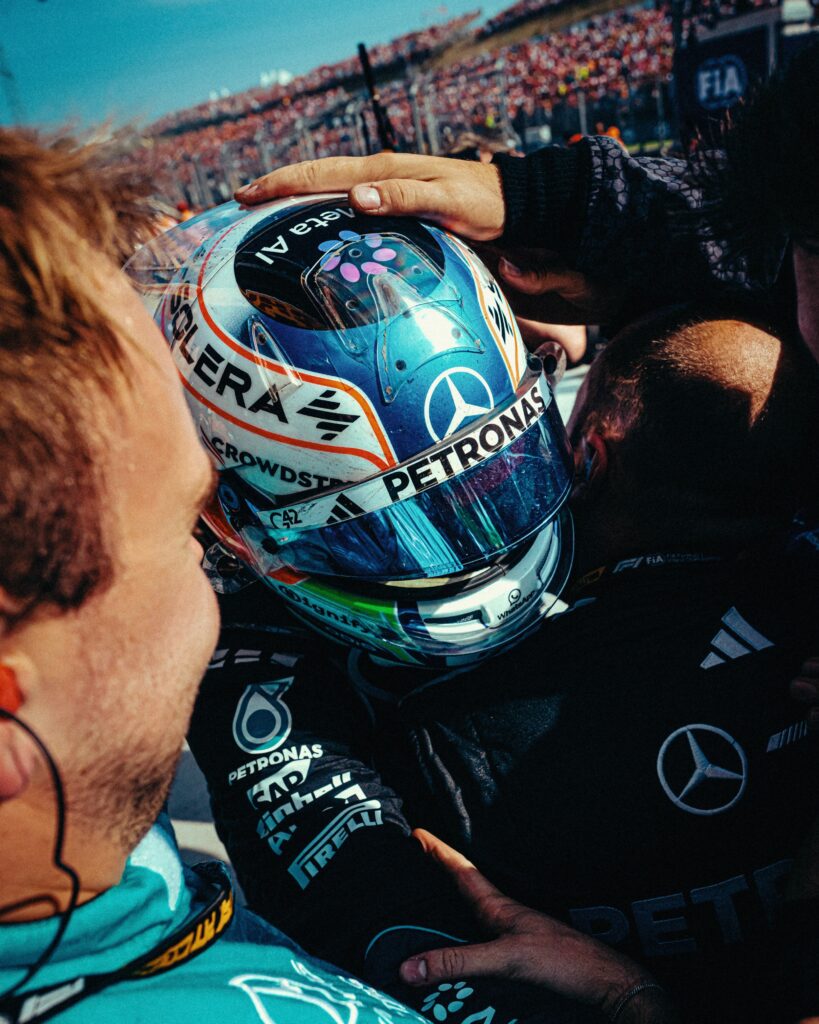
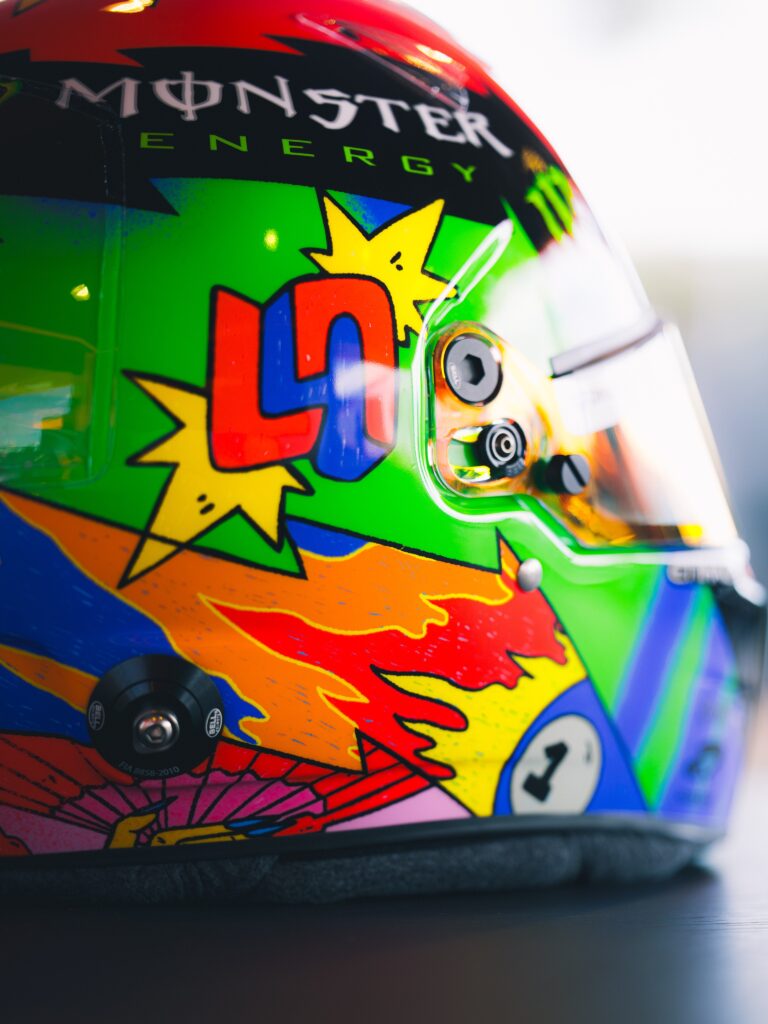
Full-size 1:1 replica helmets capture the exact moments these penalty decisions were debated on track.
Why the Penalty Points Table Matters to Collectors
The FIA superlicence penalty-points system runs on a rolling 12-month window, with twelve points triggering a one-race ban. For the casual viewer it is bureaucratic housekeeping. For the collector of full-size 1:1 display replicas, however, each point is a footnote attached to a very specific helmet, a very specific livery, and a very specific corner of the calendar. The helmet a driver wore when they earned their last three points is, in a real sense, more historically loaded than the one they wore on a quiet Sunday in clean air.
Before Canada, the table is unusually crowded. A handful of drivers sit at the edge of a ban, while others have skated through the European opening rounds with a clean ledger. This asymmetry creates the kind of narrative tension that collectors look for when curating a shelf: who is racing freely, who is racing scared, and whose helmet design will be remembered as the one that ran out of margin.
The Display Logic Behind a Penalty-Heavy Season
When a driver accumulates points across multiple events, the helmet they wore at each incident becomes part of a visual chain. A 1:1 replica from a weekend where a contentious move was reviewed carries weight that a generic season helmet cannot match. Exhibition-quality replicas — the kind designed purely as collector items and display pieces — are the medium through which these stories get preserved at full scale.
The Front-Runners: Clean Sheets and Calculated Risk
At the sharp end of the championship, the leading title contenders have largely kept their penalty totals modest. That restraint is itself a visual story. A leader’s helmet, displayed in a glass cabinet, gains a quiet authority when the season behind it is one of measured aggression rather than reckless brilliance.
The Red Bull and McLaren Axis
The orange of McLaren and the deep navy of Red Bull have dominated the podium frame in 2024 and into the current campaign, and their leading drivers have generally avoided the stewards’ room. For a collector, this means the helmets associated with their wins are largely uncontroversial — display pieces that lean into the joy of victory rather than the asterisk of investigation. A full-size 1:1 replica of a championship-leading helmet from this period is, in effect, a record of discipline.
Ferrari’s Red Under Pressure
The Scuderia’s drivers head into Montréal with a slightly heavier ledger, reflecting a season of close wheel-to-wheel work and a few high-profile incidents at restarts. The visual contrast — red livery, dark visor, and a points total that demands caution — is exactly the kind of tension that makes a collector item compelling. Each Ferrari helmet from this stretch of the calendar is a snapshot of a team racing on the edge of its own margin.
The Midfield Pressure Cooker
The midfield is where the penalty-points table really earns its drama. Drivers in cars that cannot consistently fight for podiums often find themselves involved in close-quarters battles for the final points-paying positions, and Montréal’s narrow run to the first chicane has historically amplified those skirmishes.
Aston Martin and the Veteran Ledger
Aston Martin’s green has long been one of the most photogenic liveries on the grid, and the team’s veteran driver carries a points total that reflects a career still measured in tenths. The helmet he wears in 2025 — captured in 1:1 display form — sits in collections as a study in longevity. Every point added before Canada is a reminder that even the most experienced operators are subject to the same rolling 12-month clock.
Williams, Haas, and the Quiet Accumulators
Further back, several drivers have quietly built up totals that rarely make the headlines but materially affect their racing posture. A driver three points from a ban does not overtake the same way as a driver with a clean sheet, and that subtle change in body language is something photographers — and replica sculptors — pick up on. The helmets from these teams, rendered as exhibition-quality display pieces, are often more interesting than their on-track results suggest.
The Rookies and Second-Year Drivers
For the newest faces on the grid, the penalty-points ledger is a learning curve made visible. A rookie’s first reprimand, first grid penalty, and first license points each correspond to a specific helmet design — often a debut livery that will never be repeated. For collectors, these are some of the most valuable display items in any season, precisely because they cannot be recreated.
Debut Helmets as Historical Anchors
A first-year driver’s helmet, produced as a full-size 1:1 replica, captures a moment of identity formation. The design choices — typography, national flag elements, personal motifs — are usually more daring than what the same driver will wear five seasons later. When that helmet is also associated with a penalty-points incident, the collector item gains a second layer of meaning: it is the helmet of the moment the driver learned where the limits of the stewards’ patience actually lie.
Second-Year Refinement
Drivers in their sophomore campaigns tend to refine rather than reinvent their helmet graphics, and their penalty totals often reflect a similar refinement of approach. The visual record — a slightly evolved helmet, a marginally cleaner ledger — is subtle but unmistakable on a display shelf arranged chronologically.
Montréal Historically Rewards the Clean
The Circuit Gilles Villeneuve has a long memory for incidents. The Wall of Champions, the tight chicane onto the pit straight, and the restart zones after frequent safety cars all conspire to make Montréal a track where penalty points are added rather than avoided. Looking at the historical record, the drivers who have arrived in Canada with the cleanest ledgers have often been the ones who left with the trophies — and therefore with the helmets that collectors most want to display.
The Podium Visual
A Canadian Grand Prix podium is one of the most distinctive in the sport: the maple-leaf backdrop, the bilingual signage, the late-afternoon light on Île Notre-Dame. Helmets photographed in that environment have a particular collector appeal, and the 1:1 replicas that emerge from Montréal weekends tend to anchor display collections built around championship-defining races.
What to Watch in the Mirror
Going into the weekend, the drivers within three points of a ban will be the most interesting to follow — not for the racing itself, but for the body language. The way a helmet tilts in the cockpit, the way a visor closes before a restart, the way a driver releases the brake into Turn 10: these are the small details that exhibition-quality replicas are designed to evoke.
Curating a Pre-Canada Display
For collectors building a 2025-season shelf, the pre-Canada moment is an ideal curatorial pause. The European opening rounds have produced their first wave of controversies, the penalty-points table has settled into a recognisable shape, and Montréal looms as a likely inflection point. Arranging full-size 1:1 helmet replicas in order of current points total — clean ledgers on one side, drivers nearing a ban on the other — produces a display that tells the season’s story at a glance.
Pairing Helmets with Livery Context
The strongest displays pair each helmet with an awareness of the livery it was worn against. A red helmet against red bodywork reads differently from the same helmet against the orange of a rival in a close finish. Collectors who think in these terms tend to assemble shelves that function less like trophy cases and more like miniature exhibitions — which is, of course, exactly what exhibition-quality replicas are designed for.
The Pre-Race Pause
The few days before Canada are the best moment to take stock. Once the lights go out in Montréal, the points table will move again, helmets will be photographed in new contexts, and the curatorial logic of the shelf will need to be revisited. For now, the pre-Canada ledger is a snapshot — and like all the best snapshots, it deserves to be displayed at full size.
“Every penalty point is attached to a specific helmet, a specific corner, a specific moment of pressure — and that is exactly what makes them worth displaying.”
— 123Helmets Editorial
FAQ
Q: How does the F1 penalty-points system work?
Drivers accumulate points on their FIA superlicence over a rolling 12-month window. Reaching twelve points triggers a one-race ban, after which the relevant points are removed from the total.
Q: Why is the pre-Canada points table significant for collectors?
Montréal is historically a venue where incidents occur and points are added. The pre-race ledger is therefore a meaningful snapshot of the season’s tension, which translates well into a curated display of 1:1 helmet replicas.
Q: Do penalty points affect helmet design choices?
Not directly, but drivers under pressure often race differently, and the helmets they wear during those phases acquire additional historical weight as collector items.
Q: Are 123Helmets replicas intended for track use?
No. All 123Helmets products are full-size 1:1 display replicas and collector items, designed exclusively as exhibition pieces. They are not certified for any protective application.
Q: What makes a Canadian Grand Prix helmet display particularly collectible?
The Montréal podium has a distinctive visual identity — maple-leaf backdrop, bilingual signage, and late-afternoon light — that gives helmets associated with the race a strong sense of place when displayed as 1:1 replicas.
Browse F1 Helmet Collection
Display and collector replicas only. Not certified for protective use. Full-size 1:1 scale.