Blog
Trivia: Guess the Track — A Visual Recap Through Helmet Liveries and Podium Moments
 123Helmets Editorial Team
Trivia: Guess the Track — A Visual Recap Through Helmet Liveries and Podium Moments
Some circuits are recognisable from a single frame: the angle of a kerb, the colour of the run-off, the silhouette of a grandstand behind a podium. For collectors, the visual fingerprint of a track is inseparable from the helmets that crossed its finish line. In this interactive recap, we journey through iconic venues using the most display-worthy clue of all — the helmet livery raised on the podium.
Key Takeaways
Each circuit has a visual fingerprint that pairs beautifully with podium helmet liveries.
Special edition helmets often debut at heritage tracks, becoming instant collector centerpieces.
Podium backgrounds — kerbs, grandstands, signage — help authenticate the era of a display replica.
Pairing a 1:1 helmet replica with track imagery creates a museum-quality exhibition setup.
Clue One: The Cathedral of Speed
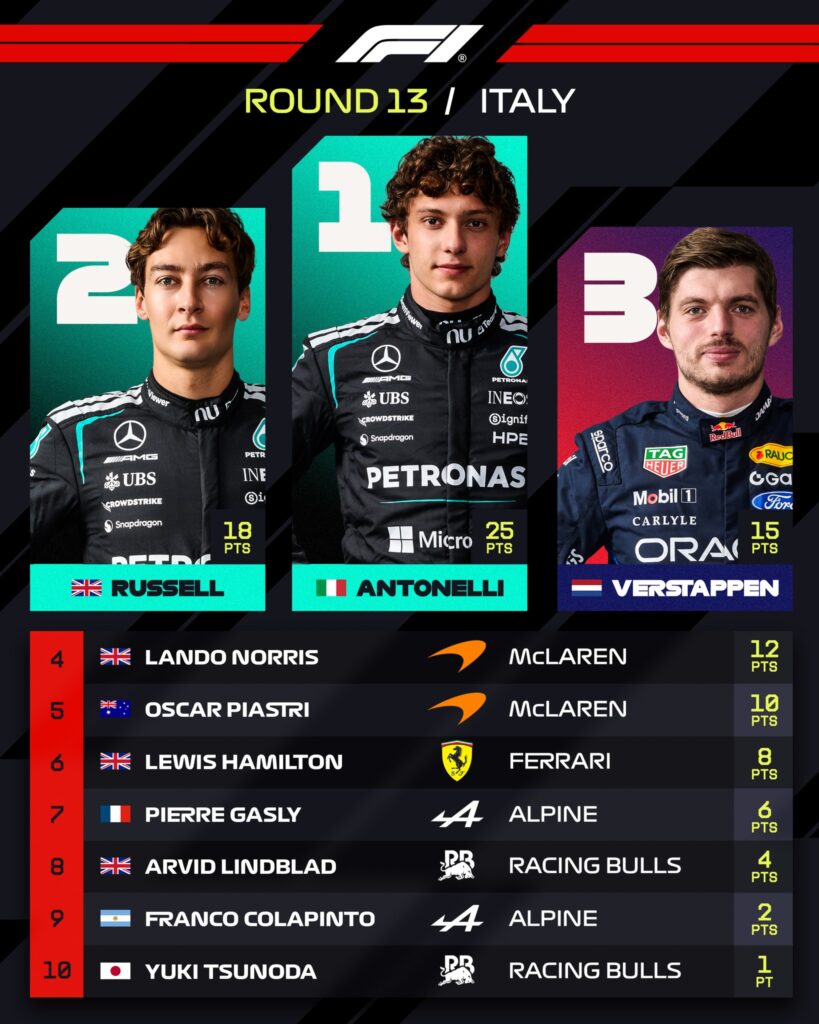
The first frame shows a podium drenched in golden afternoon light, framed by a sea of red below and the unmistakable banking of an abandoned oval looming in the distance. The trees are tall, the air visibly hot, and the trophy is being lifted toward a crowd that has waited generations for this moment. There is only one place this can be.
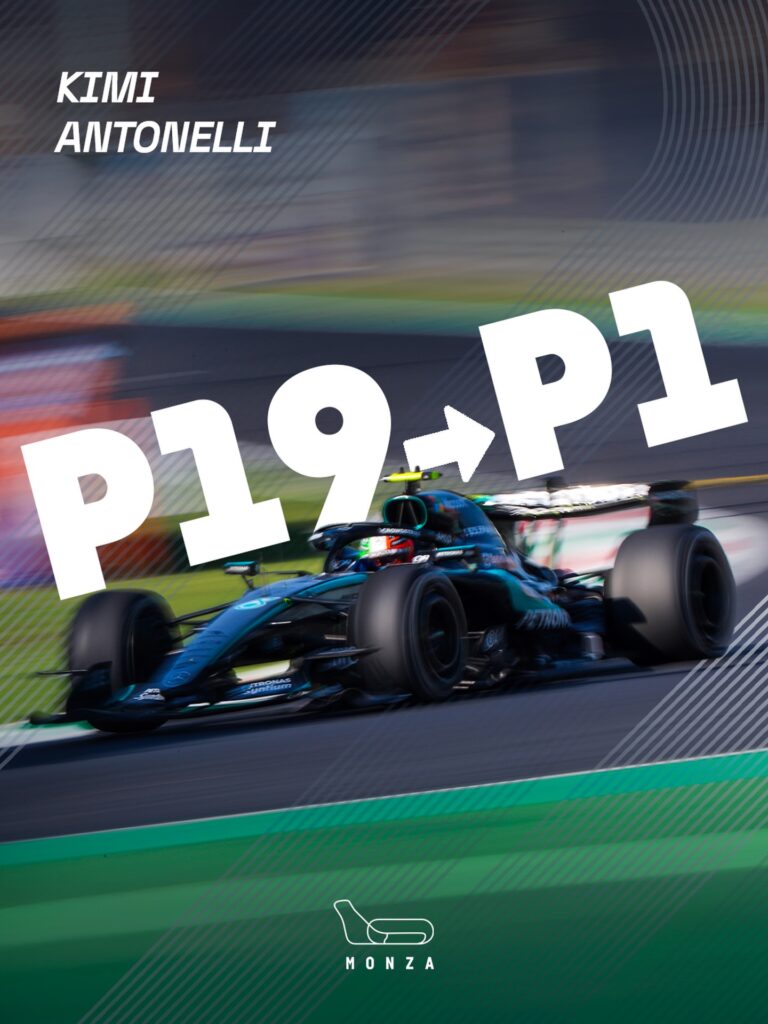
Monza. The Temple. The Cathedral of Speed. And the helmet on the top step — whichever era you choose — always seems to glow a little brighter under that Italian sun. The matte finishes, the candy lacquers, the brushed metallic flakes: every helmet design philosophy reveals itself differently in Monza’s golden hour, which is exactly why collectors treasure photographs taken on this podium.
Why Monza Defines Helmet Photography
The Italian Grand Prix sits late enough in the calendar to catch that warm September light, but early enough to avoid heavy cloud cover. The result is a natural studio: helmets photographed on this podium reveal layers of design that fluorescent indoor lighting would flatten. A carbon-weave finish shows its texture. A pearl coat shifts between three tones depending on the angle of the camera.
For anyone arranging a 1:1 display replica in a home cabinet, studying Monza podium imagery is a masterclass in lighting your own collection. Warm, directional light from a single side. A neutral backdrop. Enough distance to let the form of the shell breathe.
Display Tip
If your replica features a tifosi-tribute livery, position it near a warm light source rather than cool LED. The reds will deepen, the whites will soften, and the helmet will read as it did on that podium.
Clue Two: The Principality Backdrop
The next clue is unmistakable: a podium that sits not above a paddock, but above a harbour. Superyachts glint in the background. The barriers are painted, not formed — there is no run-off, only Armco and stone. The trophy is presented by royalty, and the champagne spray seems to land on photographers standing impossibly close.
Monte Carlo. The Monaco Grand Prix podium remains the most photographed in motorsport, and for good reason: no other venue compresses glamour, history and intimacy into a single frame. The helmets that have been lifted here form a roll-call of the sport’s most coveted display pieces.
The Monaco Special Editions
Drivers consistently commission one-off helmet liveries for Monaco. Metallic golds, deep navy blues echoing the Mediterranean, hand-painted casino motifs, references to royal heraldry — Monaco brings out the most theatrical instincts in helmet designers. For collectors, a Monaco-spec replica is the equivalent of a limited gallery print: a piece designed to be looked at, not merely owned.
The visual cue collectors learn to spot in Monaco podium photos is the railing pattern behind the drivers and the specific shade of red used on the official signage. Both have evolved subtly over the decades, helping date archive images down to the exact era.
Display Tip
A Monaco-livery replica deserves a glass-fronted case with a mirrored back panel. The reflection doubles the visual impact of metallic flakes — exactly the way the Mediterranean reflects light back onto the principality’s podium.
Clue Three: The Forest and the Fog
This frame is different. The podium is set against towering evergreens. The drivers look genuinely cold. There is mist in the air, and the trophy is shaped like a section of stone. The kerbs visible in the background are red and white, cut into a downhill esse that has tested every great driver who ever sat in a Formula 1 cockpit.
Spa-Francorchamps. The Ardennes circuit’s podium captures something no other venue does: weather as character. A helmet photographed at Spa often shows beads of moisture on its visor, raindrops caught in the lacquer, or condensation around the air intake. These details make Spa podium images among the most atmospheric in the sport.
Liveries Built for Spa
Several drivers have introduced darker, moodier helmet schemes for the Belgian Grand Prix — designs that read beautifully against grey skies and damp asphalt. Forest greens, gunmetal greys, deep purples and matte blacks all photograph well at Spa, and they have become signature choices for one-off Spa-spec helmets that later become flagship collector items.
Display Tip
A Spa-themed display benefits from a slightly cooler lighting temperature. Pair the helmet with a dark wood plinth and a printed Eau Rouge silhouette behind it — the contrast brings out the depth of any matte finish.
Clue Four: The Desert Night
The fourth clue is the easiest to identify by light alone. The podium is illuminated by floodlights, not sunlight. The sky above is jet black. The architecture behind the podium is sweeping, futuristic, and the run-off is a vivid pale grey. Trophies here often incorporate Arabic calligraphy or polished metallic curves.
This is a night race in the Gulf, and depending on the angle, it is either Bahrain or Abu Dhabi. The Sakhir circuit’s podium tends to show desert tones in the architecture, while Yas Marina’s hotel-and-marina backdrop is unmistakable once you spot the curved white roof shifting colour behind the drivers.
Why Night Races Suit Chrome and Gloss
Floodlit podiums are a stress test for helmet finishes. Matte schemes risk looking flat; gloss schemes can over-reflect. The designs that triumph visually at night races tend to combine deep base colours with selective chrome accents — a band of polished silver on the chinbar, metallic flecks in the topshell, or fluorescent edging that pops under the white floodlights.
Several end-of-season title-deciding helmets have been unveiled at these night races, making Gulf-region podium imagery especially valuable for collectors mapping a driver’s career through helmet evolution.
Display Tip
If you display a chrome-accented night-race replica, light it from above with a cool white LED at low intensity. Too much light blows out the reflections; too little hides the very details that make the livery special.
Clue Five: The Samurai Circuit
The fifth podium sits within a figure-eight layout — the only one of its kind on the calendar. The grandstands behind are densely packed, the signage is bilingual, and the trophy presentation often features traditional ceremonial elements. The kerbs are precise, the asphalt looks freshly laid, and there is a Ferris wheel just visible beyond the main straight.
Suzuka. Honda’s home circuit and arguably the purest driver’s track on the calendar. The podium here has hosted some of the most emotional title celebrations in the sport’s history, and the helmets lifted on this rostrum often carry tributes — to Japanese fans, to manufacturer heritage, to the engineers in Sakura.
The Japanese Tribute Helmets
Suzuka is the spiritual home of the tribute livery. Cherry blossom motifs, koi patterns, calligraphy, rising-sun graphics, references to anime and traditional ukiyo-e art — every season produces at least one Suzuka-spec helmet that becomes an instant collector favourite. These designs typically sell out as replicas within hours of their on-track debut.
Display Tip
A Suzuka tribute replica looks magnificent paired with a simple paper-textured backdrop and indirect lighting. The intricate detail work on these helmets rewards close inspection, so place the display at eye level rather than high on a shelf.
How to Build a Track-by-Track Display Collection
Once you start recognising circuits by their podium visuals, a new collecting philosophy emerges: building a display that tells the story of a season, or a career, through the helmets associated with specific tracks. This approach turns a collection into a curated exhibition.
Start With Three Anchor Venues
Pick three circuits that mean something to you — perhaps Monaco for the glamour, Monza for the heritage, and Suzuka for the technical challenge. Source a 1:1 collector replica associated with each, and arrange them in a row with track-identifying elements behind: a printed kerb pattern, a section of grandstand, a stylised circuit map.
Add a Weather Story
Include at least one replica from a wet-race podium. The visual contrast between dry-race chrome helmets and damp-race matte finishes adds dimension to any collection, and it teaches the eye to read condition and atmosphere from a single frame.
Document the Provenance
For each display piece, prepare a small information card noting the Grand Prix, the season, and any livery-design notes. Collectors who treat their replicas like museum artefacts — with proper context — find the display becomes a conversation centrepiece rather than simply decoration.
A helmet without a story is just a shape. A helmet displayed beside its podium is history.
Remember: every replica in our collection is a full-size 1:1 display piece, designed for exhibition and not for protective use. The craftsmanship is calibrated for visual fidelity — the paintwork, the decals, the proportions — so that when you photograph your shelf with the right lighting, the image could almost have been taken on the podium itself.
“Every circuit has a fingerprint. Learn to read it in the helmets, and you learn to read the whole sport.”
— 123Helmets Editorial
“The best displays aren’t about quantity. They’re about pairing the right helmet with the right story.”
— Collector’s Notebook
FAQ
Q: How can I tell which circuit a podium photo was taken at?
Look at three elements: the trophy design, the signage behind the drivers, and the kerb pattern visible in the background. Each track has distinct combinations — Monaco’s railings, Monza’s tree line, Spa’s evergreens, Suzuka’s bilingual boards. With practice, a single frame is enough.
Q: Do drivers really commission special helmets for specific tracks?
Yes, frequently. Monaco, Monza, Suzuka, Silverstone and the season finale typically inspire one-off liveries. These special designs often become the most sought-after replicas for collectors because they capture a singular moment rather than a season-long scheme.
Q: Are the helmets at 123Helmets full-size?
Every helmet we offer is a full-size 1:1 scale collector and display replica. They are crafted for exhibition quality and visual accuracy, not for protective or wearable use. They are designed to look exactly as they did on the podium.
Q: How should I light a helmet display at home?
Use warm directional light for sun-race liveries and cooler light for night-race or wet-race designs. Avoid harsh overhead spotlights that flatten the finish. A single light source from one side, plus a soft ambient fill, reproduces the natural lighting of most podium photographs.
Q: What makes a podium-themed display collection effective?
Curation. Choose three to five circuits that resonate with you, source a 1:1 replica associated with each, and provide context — a small card noting the Grand Prix, season and design notes. A focused collection with story always outperforms a larger one without context.
Browse F1 Helmet Collection
Display and collector replicas only. Not certified for protective use. Full-size 1:1 scale.