
Blog
Canadian GP Tyre Allocation: What the Teams and Drivers Will Have in Montréal
 123Helmets Editorial Team
Canadian GP Tyre Allocation: What the Teams and Drivers Will Have in Montréal
Circuit Gilles Villeneuve is one of the most distinctive stops on the Formula 1 calendar, a semi-permanent layout carved into Île Notre-Dame where stop-and-go traction zones, long full-throttle stretches and the unforgiving Wall of Champions collide in a single lap. For the teams, the puzzle begins well before the lights go out: it begins with tyre allocation. The compounds Pirelli brings to Canada, the way crews distribute their sets across the weekend, and the choices drivers make under pressure shape every strategic narrative we later celebrate on the podium — and every display-worthy helmet shot that follows.
Key Takeaways
Pirelli typically brings its softer end of the range to Montréal, where low track evolution and cool surface temperatures demand grip over endurance.
Each driver receives 13 sets of slicks for the weekend, split across three dry compounds, plus intermediates and wets for Canada’s unpredictable skies.
Strategy in Montréal often hinges on Safety Car probability — one of the highest on the calendar — making compound flexibility a defining variable.
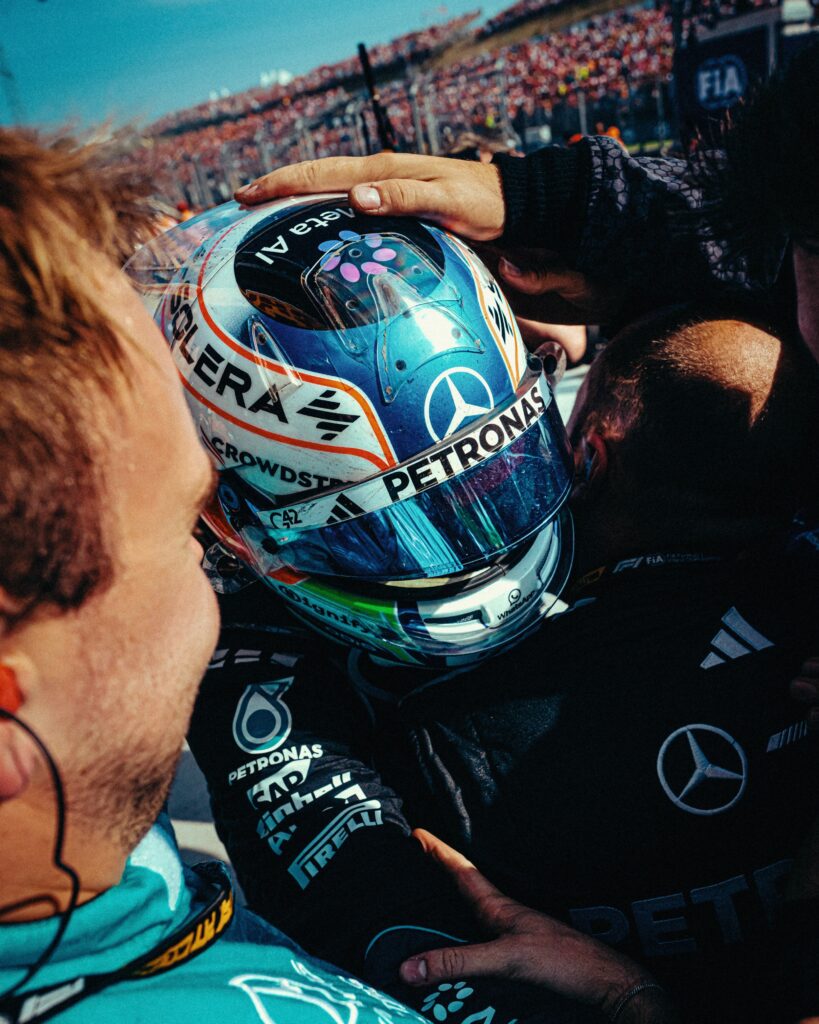
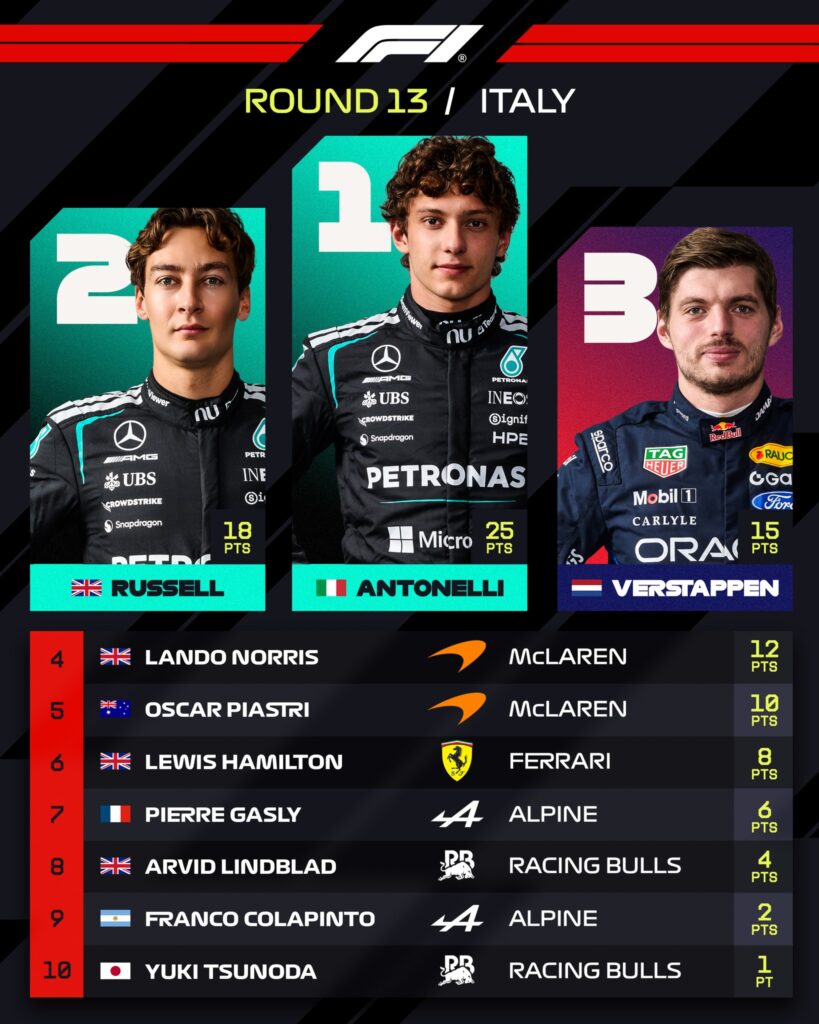
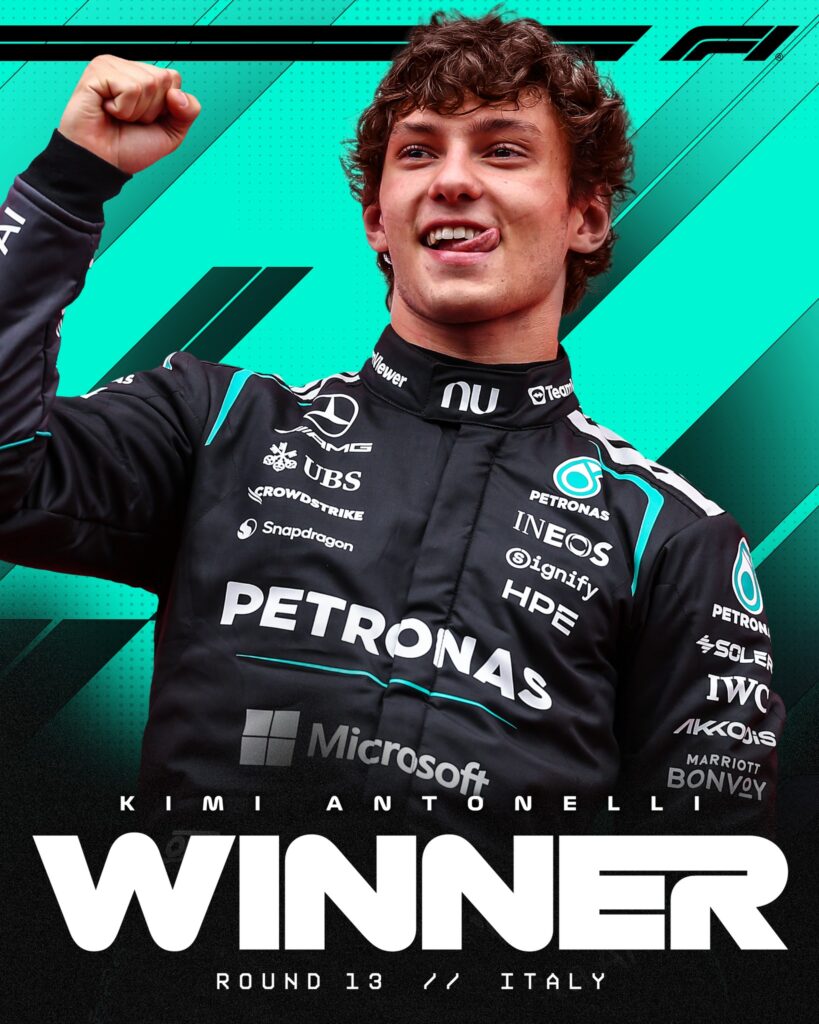
The podium produced standout helmet and livery moments worthy of any 1:1 display shelf, from chrome accents to maple-leaf tributes.
Pirelli’s Compound Choice for Circuit Gilles Villeneuve
The Canadian Grand Prix is a circuit that consistently rewards softer rubber. Unlike abrasive venues such as Silverstone or Suzuka, Montréal’s surface offers relatively low lateral energy through the corners but punishing longitudinal demands on traction and braking. That combination pushes Pirelli toward the softer end of its range, prioritising mechanical grip on cool asphalt over thermal endurance.
For Canada, Pirelli’s selection leans on the softest trio in the dry compound family. The hard compound becomes the workhorse for long stints, the medium emerges as the strategic sweet spot, and the soft delivers the qualifying performance that lights up Saturday afternoon. Add intermediates and full wets — a near-certainty given Montréal’s microclimate — and teams enter the weekend with one of the most flexible tyre toolkits of the season.
Why softer compounds suit Montréal
Three factors define the choice. First, ambient and track temperatures in early June tend to sit lower than at Mediterranean or Middle Eastern rounds, meaning harder compounds struggle to reach their working window. Second, the circuit’s stop-and-go rhythm — heavy braking into chicanes, immediate full-throttle exits — demands a compound that warms quickly and bites under acceleration. Third, the asphalt itself is relatively smooth, reducing the abrasion that would otherwise tear softer rubber apart.
How the 13 Sets Are Distributed
Under current sporting regulations, each driver receives 13 sets of dry-weather tyres across a standard Grand Prix weekend: typically two hards, three mediums and eight softs, though the exact split depends on Pirelli’s nomination. The distribution is engineered to push teams toward a specific compound rhythm — heavy soft usage in practice and qualifying, with the medium and hard reserved as the race-day backbone.
Teams must also return sets progressively after each session. Two sets are handed back after FP1, two more after FP2, and another two after FP3, leaving seven for qualifying and the race. That mandated attrition forces strategists into difficult calls: burn a soft for a representative long run in FP2, or save it for a Q3 banker lap? Run the hard in FP1 to gather race data, or commit fully to short-run pace?
The wet-weather variable
Each driver also receives four sets of intermediates and three sets of full wets. In Montréal, those numbers are not theoretical. Practice running has frequently been disrupted by rain, and qualifying sessions have been red-flagged for standing water more than once in recent memory. Crews who plan their dry programme around the possibility of a washed-out FP3 tend to arrive at Sunday with more usable rubber than rivals who gamble on stable weather.
Strategy Scenarios: One-Stop, Two-Stop, and the Safety Car Wildcard
Montréal is famous for its strategic volatility. Tyre degradation, while present, is rarely catastrophic — a one-stop race is almost always on the table. But Circuit Gilles Villeneuve also produces one of the highest Safety Car probabilities on the calendar, historically above 70 percent. That single statistic warps every pre-race plan.
The one-stop blueprint
The classic Montréal one-stop pairs the medium and the hard, with the order dictated by grid position. Front-runners typically start on the medium, extending the first stint to maximise track position, then switch to the hard for a long run to the flag. Cars starting further back may invert the order, gambling on a Safety Car to neutralise the gap and convert their hard-tyre opener into free lap time.
The two-stop counter
When degradation spikes — usually in hotter conditions or with a high-downforce setup — the two-stop emerges. Soft-medium-soft or medium-soft-medium offer pace at the cost of a second pit window. The risk is obvious: every additional stop is roughly 20 seconds of track time, and Montréal’s tight pit lane offers little room to recover if a stop goes wrong.
Why the Safety Car changes everything
A well-timed Safety Car can collapse a one-stop into a free strategy. Conversely, a poorly-timed one can ruin a perfectly executed race. Teams that hedge — keeping an extra medium or an unused soft in reserve — give themselves options when the lights flash yellow.
Podium Helmets and Liveries Worth Displaying
For collectors, the Canadian Grand Prix is one of the most visually rewarding rounds of the year. Drivers frequently arrive with one-off helmet designs paying tribute to Montréal, to Gilles Villeneuve himself, or to Canadian sponsors and fans. The result is a weekend where the trophy ceremony doubles as a parade of display-worthy artwork.
Tribute designs and chrome finishes
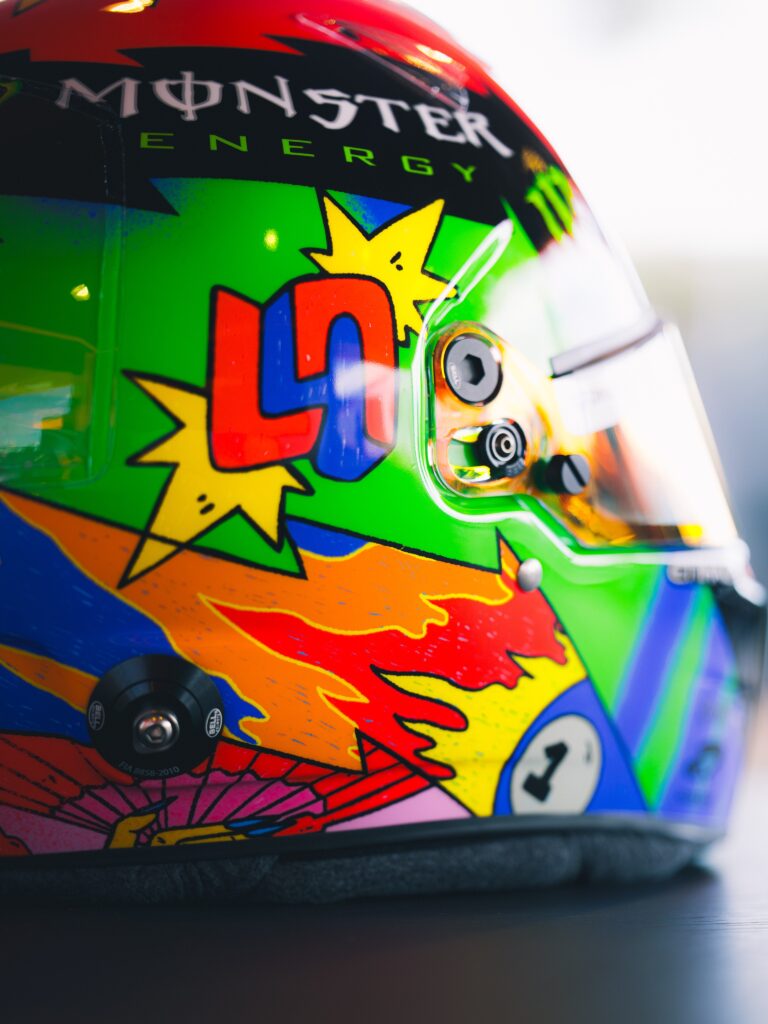
Recent Canadian Grands Prix have produced helmet liveries featuring maple-leaf motifs, retro Villeneuve red-and-white callbacks, and chrome accents engineered specifically to catch the spotlight on the podium stage. These designs translate exceptionally well into full-size 1:1 collector replicas, where the depth of metallic paint, the precision of decals, and the curvature of the visor combine to create a true exhibition piece.
Liveries that frame the moment
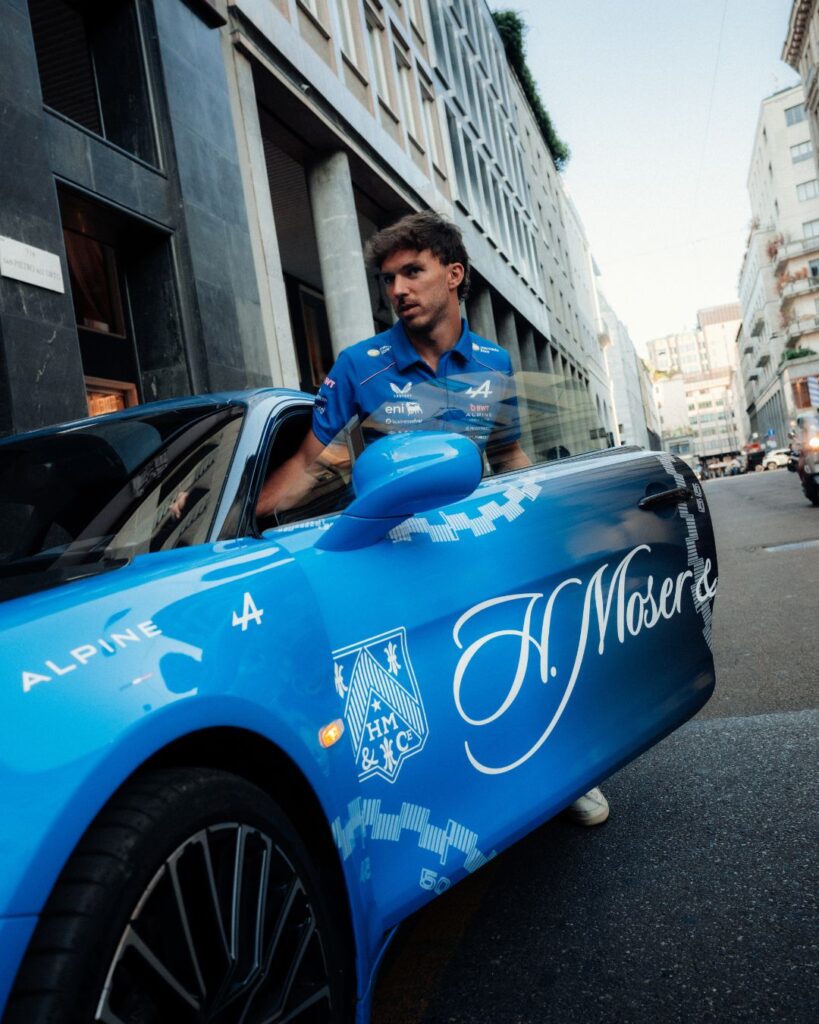
The cars themselves often arrive in special configurations too — title-sponsor activations, charity decals, or anniversary tributes. When paired with a matching driver helmet on a display shelf, the effect is a complete narrative snapshot of the weekend, the kind of curated presentation that elevates a personal collection into a gallery.
What to Watch Across the Weekend
Tyre allocation is only the opening chapter. The full story unfolds across three days of running, and the details worth tracking go beyond lap times.
Friday: long-run pace on the medium
FP2 is the session where strategists earn their fees. Watch for cars completing 15-to-20-lap runs on the medium compound — that’s the data that will shape the one-stop versus two-stop debate on Sunday. Drivers who report graining or front-end slide on Friday often resurface as strategic gamblers come race day.
Saturday: the soft-tyre lottery
Qualifying in Montréal is rarely simple. Track evolution is significant, the wind off the St. Lawrence can shift mid-session, and a single mistake into the Wall of Champions ends a weekend. The teams who manage their soft-tyre stock — keeping at least one new set for Q3 — typically convert that planning into front-row grid slots.
Sunday: the first ten laps
Watch the opening stint carefully. If the medium runners start cycling rapidly toward the pit lane within 15 laps, the two-stop is alive. If they extend past lap 25, the one-stop is winning. And if a Safety Car arrives early, everything resets — and the helmets on that podium become the lasting image of a weekend defined by tyre choice.
“Montréal is one of those weekends where the tyre allocation tells you half the story before the cars even turn a wheel.”
— Paddock strategist perspective
FAQ
Q: What tyre compounds does Pirelli bring to the Canadian Grand Prix?
Pirelli typically nominates the softer end of its dry compound range for Montréal — the C3 as hard, C4 as medium and C5 as soft, or an equivalent step depending on the season’s compound numbering. The choice reflects the circuit’s cool surface temperatures and stop-and-go layout.
Q: How many sets of tyres does each driver receive for Canada?
Each driver receives 13 sets of dry-weather slicks, plus four sets of intermediates and three sets of full wets. The dry sets are typically split into two hards, three mediums and eight softs.
Q: Is the Canadian Grand Prix usually a one-stop or two-stop race?
Montréal is most often a one-stop race, with medium-to-hard the standard sequence. However, Safety Car probability is unusually high, which frequently turns the strategic battle into a hybrid of one-stop planning and reactive two-stop execution.
Q: Why is the Canadian Grand Prix so popular with helmet collectors?
Drivers regularly produce special one-off helmet liveries for Montréal, paying tribute to Gilles Villeneuve, Canadian sponsors or local fans. These designs translate beautifully into full-size 1:1 collector replicas, making the weekend a highlight for display-focused enthusiasts.
Q: Are the helmets at 123Helmets.com suitable for actual use?
No. All helmets offered by 123Helmets.com are full-size 1:1 display and collector replicas, designed exclusively for exhibition and personal collections. They are not certified for any protective application.
Browse F1 Helmet Collection
Display and collector replicas only. Not certified for protective use. Full-size 1:1 scale.